The community of Serenbe, just outside Atlanta, is home to around 700 people who have chosen to put wellbeing at the centre of their lives. Jane Kitchen visits to find out more
By Jane Kitchen | Published in CLADmag 2018 issue 3
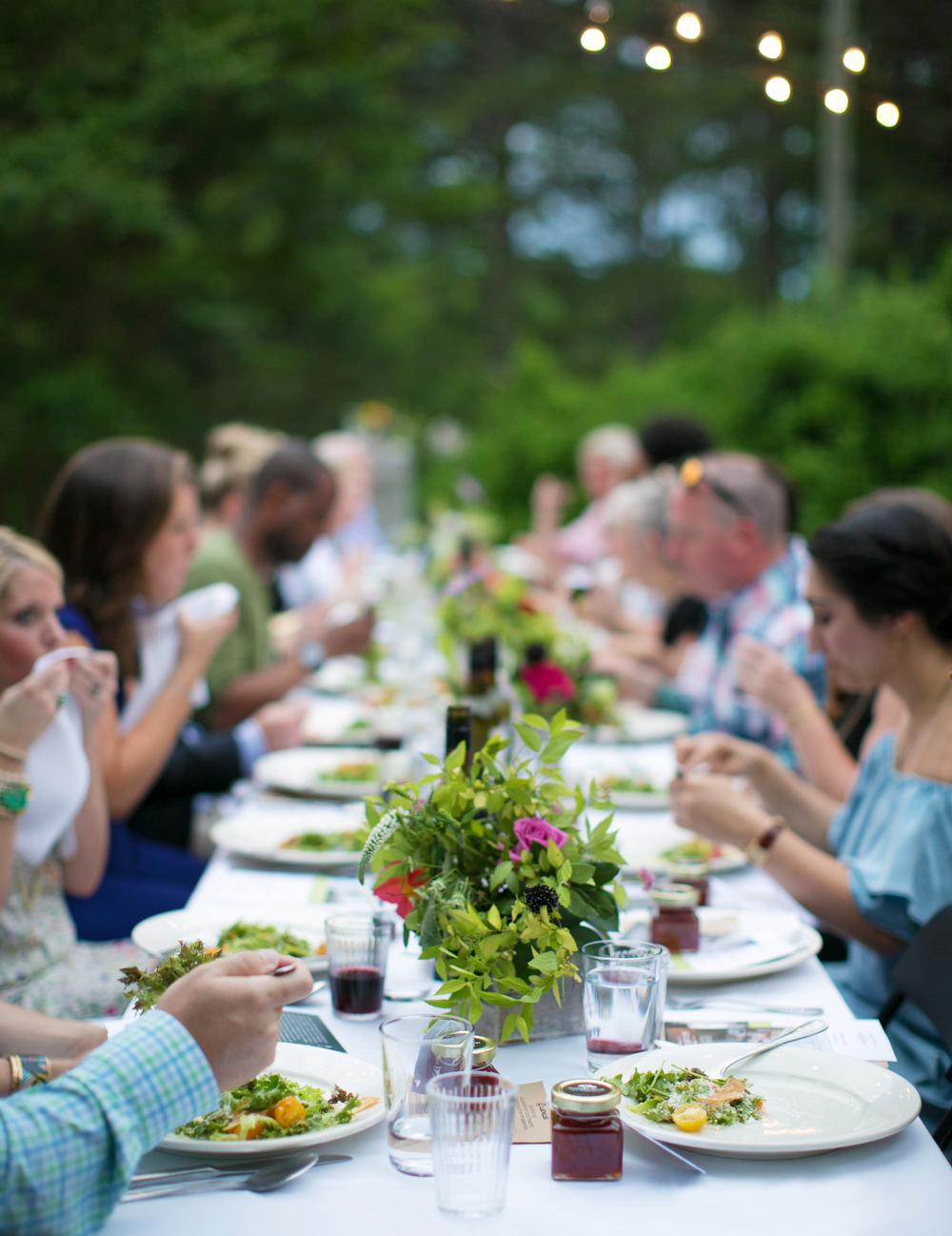
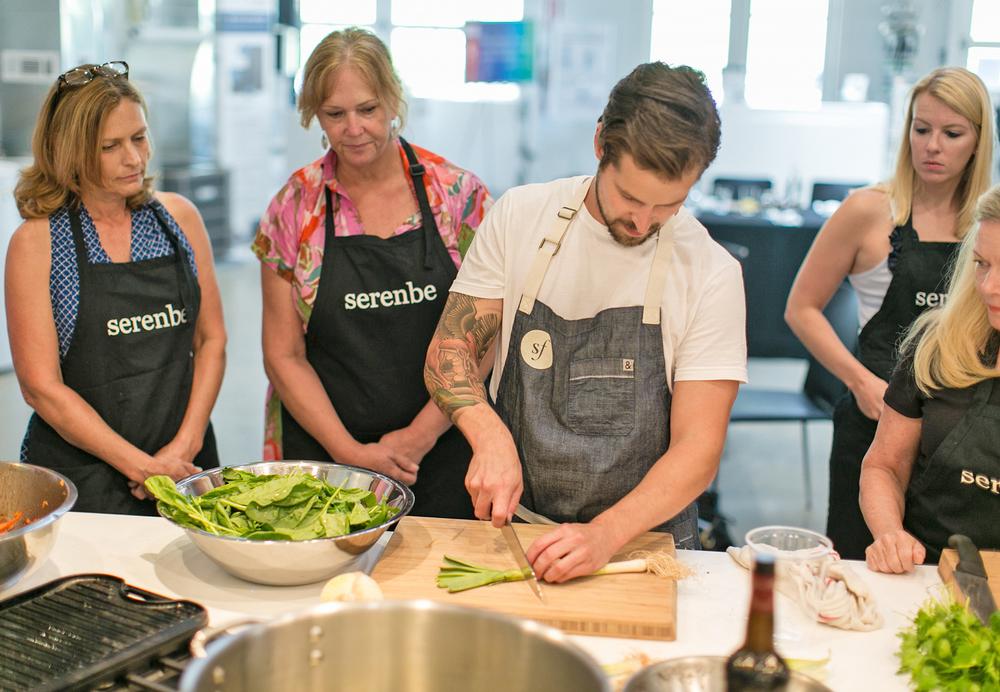
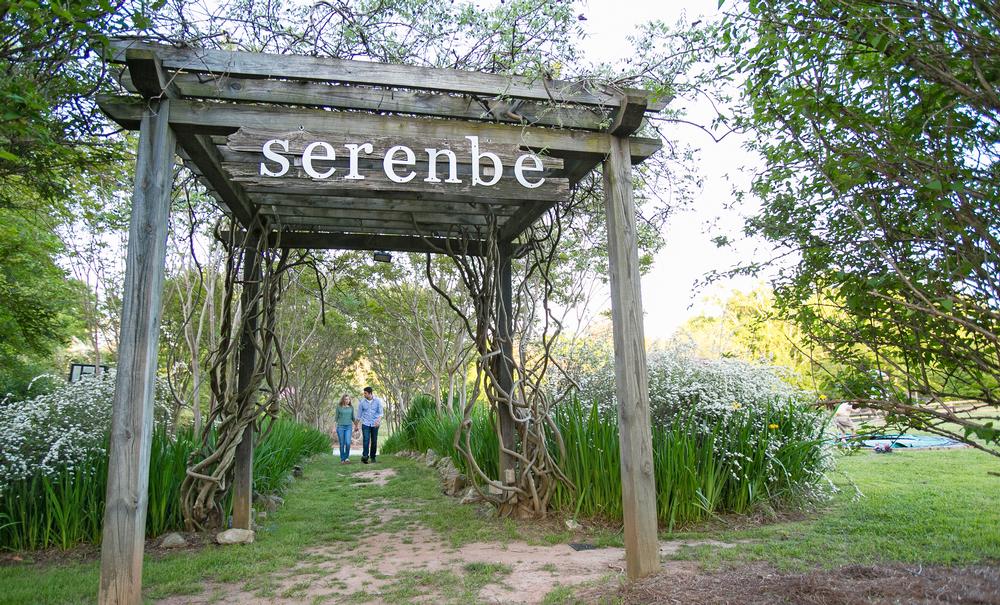
The Serenbe community is a close-knit one, where people find their tribe of fellow wellness lovers / SERENBE
As the plane descends into Atlanta, the city stretches out beneath me in ripples of modern-day sprawl – highways clogged with cars inching along at a snail’s pace, taking their occupants to strip malls where you can buy anything you want, anytime you want it. This is the America I moved away from – this endless march towards overconsumption – the land of McMansions, 24-hour drive-thrus and endless commutes on congested highways.
And if any city exemplifies the high cost of urban sprawl and overpopulation, it’s Atlanta; home to the world’s busiest airport. Georgia’s capital also consistently ranks in the top worst cities in the world for traffic, as anyone who’s spent time trapped on the endless loop of Interstate 285 can attest.
So I find it mind-blowing that in just a 30-minute Lyft ride from the airport, I’m whisked to a new housing development filled with rolling hills, quiet birdsong, and neighbourly nirvana, otherwise known as Serenbe.
Home to around 700 people who’ve decided they want to live somewhere different, Serenbe is a place where people and planet come before cars and commerce.
It’s one of a growing number of ‘wellness communities’ which are being built around the world and nowhere are there more in development than the US. With a growing obesity problem, car-centred culture, and a failing health insurance industry, it’s no wonder many Americans are looking at new ways to bring wellness into their lives.
“The US has been the epicenter of terrible car-dependent suburban sprawl for the last 75-plus years, and especially in the last 20 to 30 years,” says Katherine Johnston, senior research fellow at the Global Wellness Institute and expert in the wellness communities market. “As people have started to recognise how terrible and unhealthy this kind of development is for both people and planet, there’s a growing impetus to try to build things that are better, and to experiment with new types of development.”
The antidote to suburban sprawl Founded in 2004 by the Nygren family –Steve and Marie and their children – who grew concerned when land was being gobbled up around their holiday home farm, Serenbe is named for the serene environment that they hoped to create.
It’s the antidote to America’s suburban sprawl, and also Steve Nygren’s vision of what a neighbourhood should be: houses set among acres of preserved forests and meadows, where neighbours know each other by name and food is harvested locally. This anti-suburban oasis owes much of its appeal to Nygren’s commitment from the start to only develop 30 per cent of the land, leaving 70 per cent of the community’s 65,000 acres as natural green space.
This, in turn, led to a natural focus on wellbeing and created a neighbourhood designed with walkability in mind, where woodland paths connect residents with shops and restaurants, children with schools, and neighbours with each other.
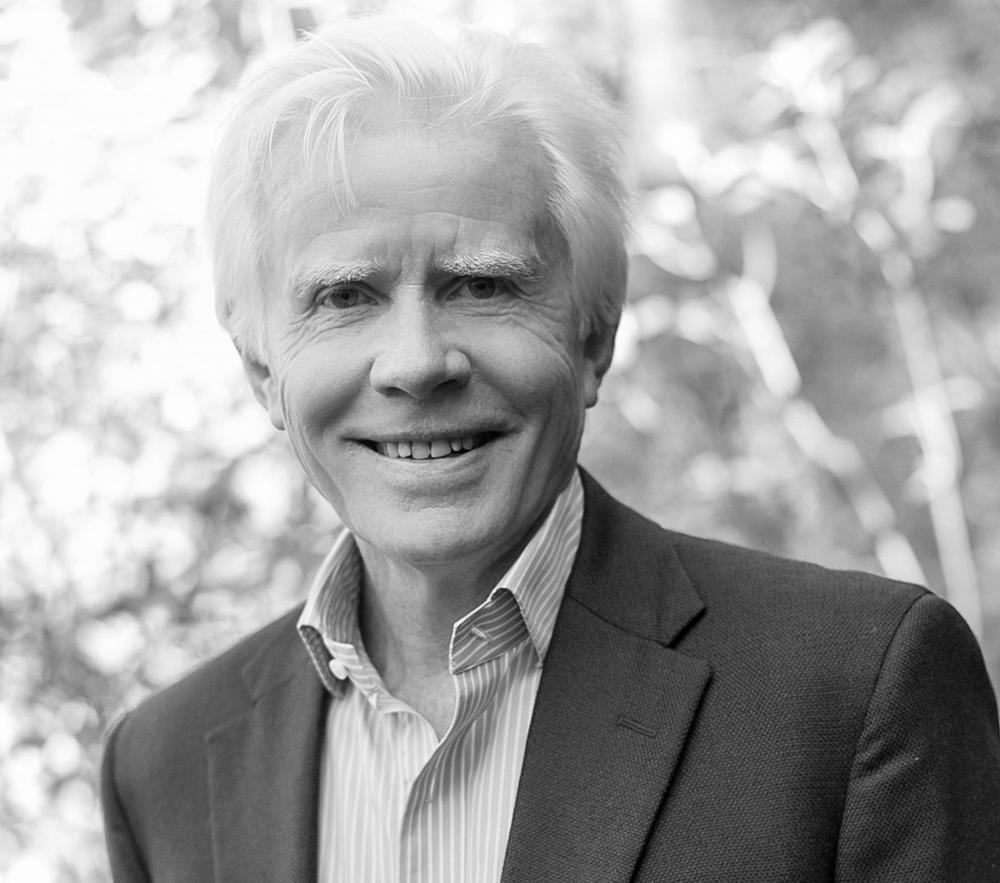
“We want to bring wellness into a lifestyle that’s part of everyday life,” says Steve Nygren. “Residents share stories with me on a regular bases of how Serenbe has changed their lives for the better, and they are healthier and happier. We hear that there’s less depression, less medication, and better behaviour from children. I think we forget how much stress and our mental attitude directly affects our physical being.”
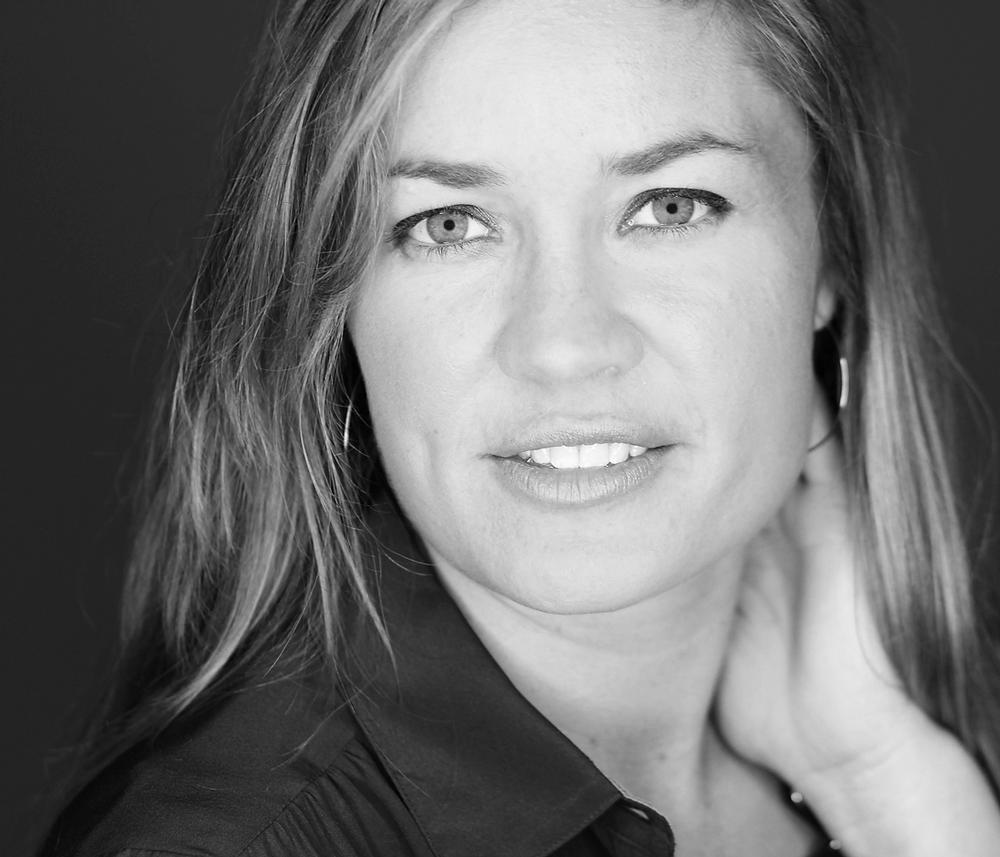
The reluctant developer Once I settle in to my room in the Serenbe Inn – once a barn on the Nygren’s farm, now restored with a country chic vibe – Steve and Marie Nygren’s daughter, Garnie arrives to give me a tour. Garnie was in high school when the idea for Serenbe was first conceived; now, she’s COO of the company, and as passionate about responsible development as her father. She’s dressed casually in jeans and a T-shirt, with a scuff of mud here and there and the kind of fresh-faced looks that living in the country gives you.
As we meander from the inn, first down a gravel path past goats and hens, then along one of Serenbe’s many woodland trails, humming with cicadas, Garnie tells me how in 1999, she and her father were out on a run in this area, and as they reached the crest of a hill, they looked down on bulldozers clearcutting the neighbouring land. “That was the moment of impact,” she says. “That was the day, whether my dad knew it or not, that he stepped out of retirement.”
Steve Nygren had retired from a successful career in the restaurant business, and had no background in development, but he realised he needed to act fast in order to stop the Atlanta sprawl from reaching his doorstep. Nygren was inspired by European villages – and the English countryside in particular – and wanted to see the same kind of small, dense, walkable towns that exist in places that haven’t been built around cars. As he began to buy up land surrounding his farm, he looked for developers who were creating these kinds of places – ones with a palpable sense of place, that honour the arts, are aesthetically inspiring, and have plenty of green spaces. None existed. “He thought: ‘If no-one is thinking about sustainable development, then how are we leaving the land for future generations?’” explains Garnie.
‘An enormous responsibility’ Steve and Marie continued the process of buying land surrounding their farm, until they found themselves with 65,000 acres – half the size of the inside perimeter of Atlanta, bigger than all of the Napa Valley, and the largest amount of contiguous, undeveloped green space that exists in close proximity to a major airport or urban center anywhere in the US. “We realised we had a huge opportunity, but we also had an enormous responsibility,” says Garnie.
Some careful re-zoning work meant that instead of building a house on every acre – or 1,000 homes on 1,000 acres in one-acre plots – they could opt to build 1,000 homes on just 300 acres and then maintain 700 acres of permanently protected green space. That meant houses were built close together, doing the double duty of creating close-knit, walkable communities and setting aside that 70 per cent of the land for community use at the same time.
Old-growth trees have been preserved in Serenbe – a rarity in new-build American construction, where clear-cutting the trees and leveling the land makes for cheaper, easier construction. This means homes immediately look established in a way that new construction rarely does.
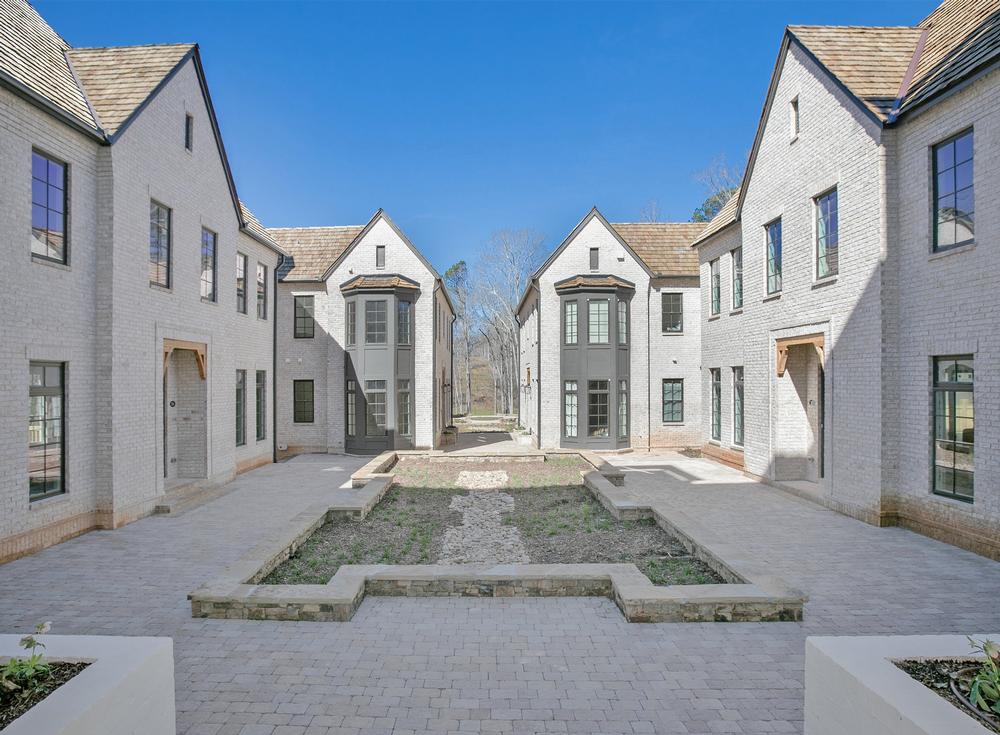
And houses here are anything but cookie-cutter; a 2,100sq ft traditional Colonial sits next to a 4,200sq ft modern contemporary, and yet somehow, they work together.
As Garnie explains, all this has been well thought-out, with strict rules on the way rooflines flow, and the authenticity of each style. “You can have an enormous range of architecture, because they’re all speaking to each other and relating to each other,” she says. “We’re creating an authentic place, where architecture is art and the streetscape is our canvas. Architecture should inspire, and we find that with a variety of styles, we naturally attract a variety of people.”
Community building Serenbe will eventually grow to include four distinct neighbourhoods, or ‘hamlets’ as they’re known here, each designed in the shape of the Greek letter omega – part of a strategy to encourage interaction and community-building among residents by making serendipitous meetings more likely along the pathways and bridleways.
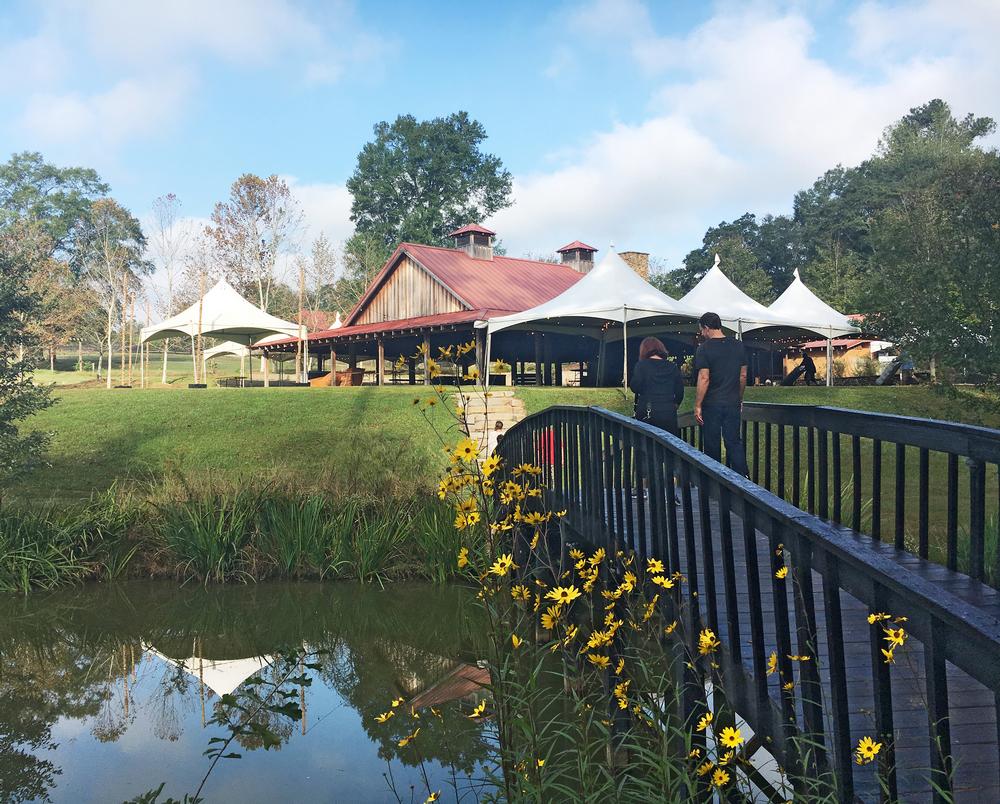
Two of the hamlets are fully built; in Grange, the agriculture hamlet, an on-site organic farm supplies the restaurants as well as the weekly farmer’s market, and crosswalks are planted with edibles such as blueberry bushes. The Selbourne hamlet focuses on the arts, and features a rich programme of theatre and film, with regular gallery exhibits, artist lectures, plays and outdoor concerts.
To be sure arts programming continues, the Nygrens set up the non-profit Serenbe Institute for Art, Culture and Environmental Issues. For every home sale at Serenbe, 1 per cent of a house price or 3 per cent of a vacant lot price is funneled into the institute, ensuring that there is perpetual funding for the arts and environment. This includes the successful Serenbe Playhouse, an outdoor theatre which welcomes 60,000 people annually and has a $1.4m budget.
The arts programming, proximity to the green space, and the sense of community all mean that residents pay a premium of from five to 10 per cent more than similar houses in Atlanta, but most seem to feel it’s well worth it. “We love being surrounded by people that teach us and make us better,” says Eliza Bacot, a nutrition counsellor and wellness coach, who has lived with her family at Serenbe since 2014 (see page 44). “My kids have such a unique opportunity to view the outdoors as just a part of their daily life.”
Life in balance Serenbe’s newest hamlet, Mado – which means ‘life in balance’ in the native Creek Indian language – has a Scandinavian design aesthetic, and will focus on health and wellbeing. Here, residents will find a community pool, along with a gym, dentist, Chinese doctor and a health-focused restaurant, and there are plans in the works for a 30,000sq ft destination spa. Common areas are planted with medicinal herbs, flowers, trees and shrubs, and residents can take classes on how to harvest their front yards.
Mado will be fully built in the next five years, with 130 housing and office units being added in 2019, and another 130 in 2021. Seventy homes have already been sold, and another 40 are under construction and available in sizes and prices to fit different lifestyles: from $299,000 for a compact 900sq ft home that would fit young couples or retirees looking to downsize, to $900,000 for a 3,500sq ft family home.
A fourth hamlet will have public, Montessori and international boarding schools and a university the Nygrens hope will host students to study sustainability, while also offering executive training and lifelong learning.
Serenbe’s tagline, “The best reason to live here is the life here” may well be the easiest way to sum up this community, which has become a godfather of sorts to a growing trend of wellness communities sprouting up around the world.
For Steve and Marie Nygren, all three of their daughters have returned to Serenbe with their husbands, and their grandchildren are being raised within walking distance of their front door. If that isn’t utopia, I don’t know what is.
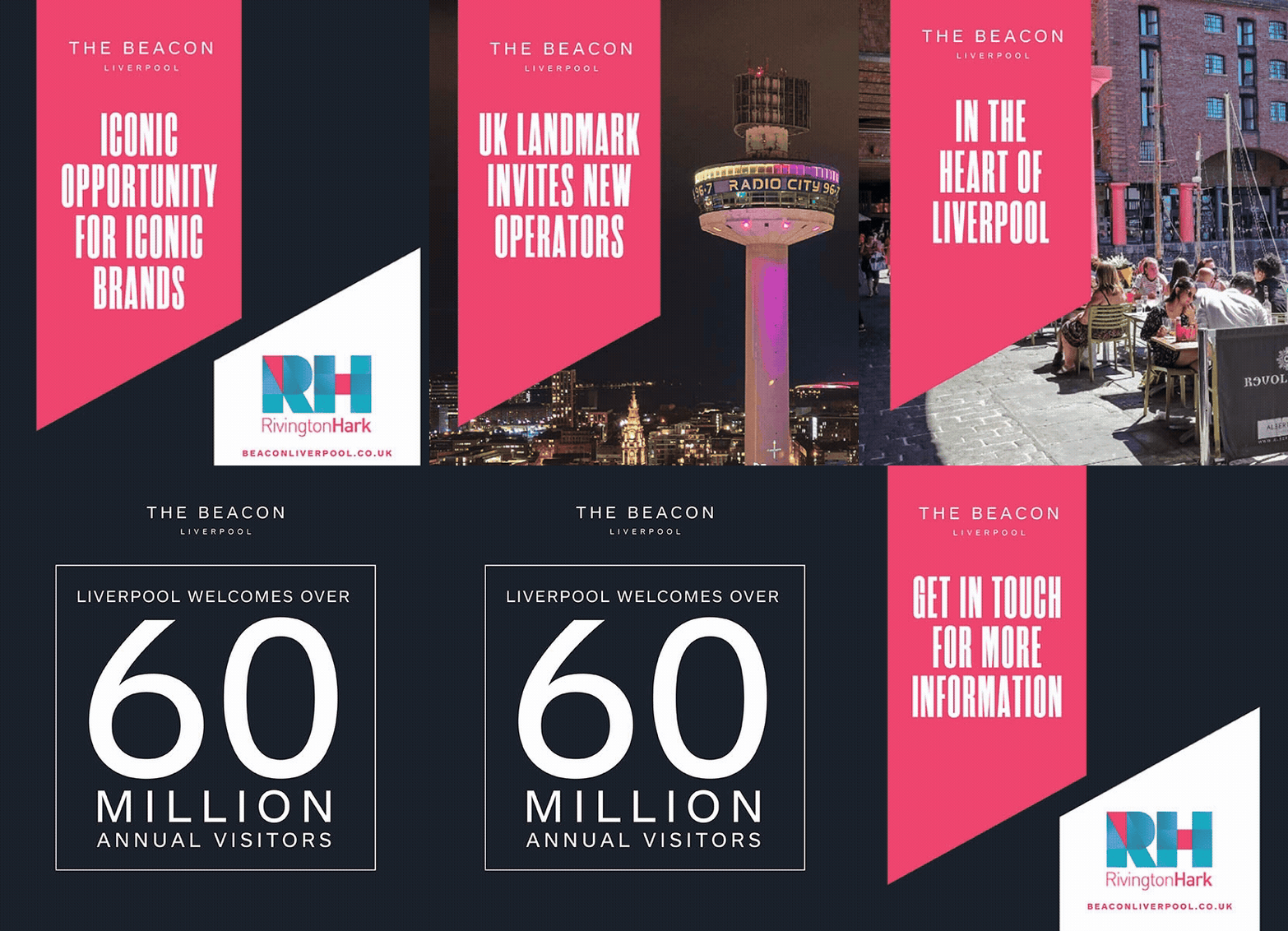
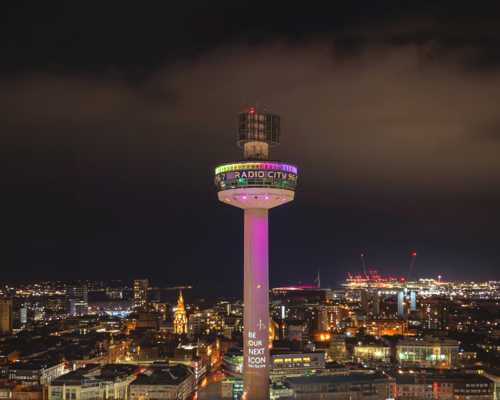
An opportunity to reimagine one of the UK’s most recognisable towers has been formally
opened by Rivington Hark, as St Johns Beacon invites operators and partners to shape its
next phase. [more...]
The community of Serenbe, just outside Atlanta, is home to around 700 people who have chosen to put wellbeing at the centre of their lives. Jane Kitchen visits to find out more
By Jane Kitchen | Published in CLADmag 2018 issue 3
The Serenbe community is a close-knit one, where people find their tribe of fellow wellness lovers / SERENBE
As the plane descends into Atlanta, the city stretches out beneath me in ripples of modern-day sprawl – highways clogged with cars inching along at a snail’s pace, taking their occupants to strip malls where you can buy anything you want, anytime you want it. This is the America I moved away from – this endless march towards overconsumption – the land of McMansions, 24-hour drive-thrus and endless commutes on congested highways.
And if any city exemplifies the high cost of urban sprawl and overpopulation, it’s Atlanta; home to the world’s busiest airport. Georgia’s capital also consistently ranks in the top worst cities in the world for traffic, as anyone who’s spent time trapped on the endless loop of Interstate 285 can attest.
So I find it mind-blowing that in just a 30-minute Lyft ride from the airport, I’m whisked to a new housing development filled with rolling hills, quiet birdsong, and neighbourly nirvana, otherwise known as Serenbe.
Home to around 700 people who’ve decided they want to live somewhere different, Serenbe is a place where people and planet come before cars and commerce.
It’s one of a growing number of ‘wellness communities’ which are being built around the world and nowhere are there more in development than the US. With a growing obesity problem, car-centred culture, and a failing health insurance industry, it’s no wonder many Americans are looking at new ways to bring wellness into their lives.
“The US has been the epicenter of terrible car-dependent suburban sprawl for the last 75-plus years, and especially in the last 20 to 30 years,” says Katherine Johnston, senior research fellow at the Global Wellness Institute and expert in the wellness communities market. “As people have started to recognise how terrible and unhealthy this kind of development is for both people and planet, there’s a growing impetus to try to build things that are better, and to experiment with new types of development.”
The antidote to suburban sprawl Founded in 2004 by the Nygren family –Steve and Marie and their children – who grew concerned when land was being gobbled up around their holiday home farm, Serenbe is named for the serene environment that they hoped to create.
It’s the antidote to America’s suburban sprawl, and also Steve Nygren’s vision of what a neighbourhood should be: houses set among acres of preserved forests and meadows, where neighbours know each other by name and food is harvested locally. This anti-suburban oasis owes much of its appeal to Nygren’s commitment from the start to only develop 30 per cent of the land, leaving 70 per cent of the community’s 65,000 acres as natural green space.
This, in turn, led to a natural focus on wellbeing and created a neighbourhood designed with walkability in mind, where woodland paths connect residents with shops and restaurants, children with schools, and neighbours with each other.
“We want to bring wellness into a lifestyle that’s part of everyday life,” says Steve Nygren. “Residents share stories with me on a regular bases of how Serenbe has changed their lives for the better, and they are healthier and happier. We hear that there’s less depression, less medication, and better behaviour from children. I think we forget how much stress and our mental attitude directly affects our physical being.”
The reluctant developer Once I settle in to my room in the Serenbe Inn – once a barn on the Nygren’s farm, now restored with a country chic vibe – Steve and Marie Nygren’s daughter, Garnie arrives to give me a tour. Garnie was in high school when the idea for Serenbe was first conceived; now, she’s COO of the company, and as passionate about responsible development as her father. She’s dressed casually in jeans and a T-shirt, with a scuff of mud here and there and the kind of fresh-faced looks that living in the country gives you.
As we meander from the inn, first down a gravel path past goats and hens, then along one of Serenbe’s many woodland trails, humming with cicadas, Garnie tells me how in 1999, she and her father were out on a run in this area, and as they reached the crest of a hill, they looked down on bulldozers clearcutting the neighbouring land. “That was the moment of impact,” she says. “That was the day, whether my dad knew it or not, that he stepped out of retirement.”
Steve Nygren had retired from a successful career in the restaurant business, and had no background in development, but he realised he needed to act fast in order to stop the Atlanta sprawl from reaching his doorstep. Nygren was inspired by European villages – and the English countryside in particular – and wanted to see the same kind of small, dense, walkable towns that exist in places that haven’t been built around cars. As he began to buy up land surrounding his farm, he looked for developers who were creating these kinds of places – ones with a palpable sense of place, that honour the arts, are aesthetically inspiring, and have plenty of green spaces. None existed. “He thought: ‘If no-one is thinking about sustainable development, then how are we leaving the land for future generations?’” explains Garnie.
‘An enormous responsibility’ Steve and Marie continued the process of buying land surrounding their farm, until they found themselves with 65,000 acres – half the size of the inside perimeter of Atlanta, bigger than all of the Napa Valley, and the largest amount of contiguous, undeveloped green space that exists in close proximity to a major airport or urban center anywhere in the US. “We realised we had a huge opportunity, but we also had an enormous responsibility,” says Garnie.
Some careful re-zoning work meant that instead of building a house on every acre – or 1,000 homes on 1,000 acres in one-acre plots – they could opt to build 1,000 homes on just 300 acres and then maintain 700 acres of permanently protected green space. That meant houses were built close together, doing the double duty of creating close-knit, walkable communities and setting aside that 70 per cent of the land for community use at the same time.
Old-growth trees have been preserved in Serenbe – a rarity in new-build American construction, where clear-cutting the trees and leveling the land makes for cheaper, easier construction. This means homes immediately look established in a way that new construction rarely does.
And houses here are anything but cookie-cutter; a 2,100sq ft traditional Colonial sits next to a 4,200sq ft modern contemporary, and yet somehow, they work together.
As Garnie explains, all this has been well thought-out, with strict rules on the way rooflines flow, and the authenticity of each style. “You can have an enormous range of architecture, because they’re all speaking to each other and relating to each other,” she says. “We’re creating an authentic place, where architecture is art and the streetscape is our canvas. Architecture should inspire, and we find that with a variety of styles, we naturally attract a variety of people.”
Community building Serenbe will eventually grow to include four distinct neighbourhoods, or ‘hamlets’ as they’re known here, each designed in the shape of the Greek letter omega – part of a strategy to encourage interaction and community-building among residents by making serendipitous meetings more likely along the pathways and bridleways.
Two of the hamlets are fully built; in Grange, the agriculture hamlet, an on-site organic farm supplies the restaurants as well as the weekly farmer’s market, and crosswalks are planted with edibles such as blueberry bushes. The Selbourne hamlet focuses on the arts, and features a rich programme of theatre and film, with regular gallery exhibits, artist lectures, plays and outdoor concerts.
To be sure arts programming continues, the Nygrens set up the non-profit Serenbe Institute for Art, Culture and Environmental Issues. For every home sale at Serenbe, 1 per cent of a house price or 3 per cent of a vacant lot price is funneled into the institute, ensuring that there is perpetual funding for the arts and environment. This includes the successful Serenbe Playhouse, an outdoor theatre which welcomes 60,000 people annually and has a $1.4m budget.
The arts programming, proximity to the green space, and the sense of community all mean that residents pay a premium of from five to 10 per cent more than similar houses in Atlanta, but most seem to feel it’s well worth it. “We love being surrounded by people that teach us and make us better,” says Eliza Bacot, a nutrition counsellor and wellness coach, who has lived with her family at Serenbe since 2014 (see page 44). “My kids have such a unique opportunity to view the outdoors as just a part of their daily life.”
Life in balance Serenbe’s newest hamlet, Mado – which means ‘life in balance’ in the native Creek Indian language – has a Scandinavian design aesthetic, and will focus on health and wellbeing. Here, residents will find a community pool, along with a gym, dentist, Chinese doctor and a health-focused restaurant, and there are plans in the works for a 30,000sq ft destination spa. Common areas are planted with medicinal herbs, flowers, trees and shrubs, and residents can take classes on how to harvest their front yards.
Mado will be fully built in the next five years, with 130 housing and office units being added in 2019, and another 130 in 2021. Seventy homes have already been sold, and another 40 are under construction and available in sizes and prices to fit different lifestyles: from $299,000 for a compact 900sq ft home that would fit young couples or retirees looking to downsize, to $900,000 for a 3,500sq ft family home.
A fourth hamlet will have public, Montessori and international boarding schools and a university the Nygrens hope will host students to study sustainability, while also offering executive training and lifelong learning.
Serenbe’s tagline, “The best reason to live here is the life here” may well be the easiest way to sum up this community, which has become a godfather of sorts to a growing trend of wellness communities sprouting up around the world.
For Steve and Marie Nygren, all three of their daughters have returned to Serenbe with their husbands, and their grandchildren are being raised within walking distance of their front door. If that isn’t utopia, I don’t know what is.
Hotel de France, located on the British Isle of Jersey, has created a wellness retreat package
that includes a hot yoga session that will take place in Jersey Zoo’s butterfly sanctuary.
A new immersive attraction designed to transport visitors into the final hours of ancient Pompeii
is preparing to open near the world-famous archaeological site in southern Italy.
Experience design company, BRC Imagination Arts, has completed a transition that sees founder
Bob Rogers pass ownership of the business to four long-serving senior executives, while
remaining actively involved with the company.
Movie Park Germany has opened a new Paramount Pictures-themed attraction as part of its 30th
anniversary celebrations, using immersive storytelling and adaptive reuse to reinforce the park’s
longstanding “Hollywood in Germany” positioning.
Therme Manchester’s 28-acre development, which will include interconnected glass pavilions
that measure 65,000sq m, will be the largest bathing and wellbeing attraction in the world once
complete, according to prof David Russell, CEO of Therme UK.
Efteling has opened Hooghmoed, a new family drop tower designed to broaden the appeal of its
recently launched Sirene Island themed area and introduce younger visitors to thrill attractions.
A proposed Puy du Fou development near Bicester and Universal Destinations and Experiences’
planned resort in Bedford are emerging as part of a wider transformation of the Oxford–
Cambridge Growth Corridor into a major centre for UK leisure and tourism inv
Shedd Aquarium has opened the Immersion Theater developed in partnership with SimEx-
Iwerks, as part of a wider strategy to enhance the guest experience and create additional
revenue opportunities.
The UK government has announced a temporary reduction in VAT on visitor attractions and
children’s meals as part of a summer cost-of-living support package designed to stimulate the
visitor economy and encourage family days out.
As designer Yinka Ilori prepares for his first solo gallery show in London, he speaks exclusively
to CLADmag about his mission to spread joy, the power of play, and his bold approach to using
colour (including the colours you won’t see in his work).
The government of Thailand is exploring plans for a THB300bn (£6.3bn, US$8.3bn)
entertainment complex in the country’s Eastern Economic Corridor (EEC), with officials
proposing a large-scale theme park and sports destination as part of a broader tourism and
economic development strategy.
+ More news
COMPANY PROFILES
Alterface Alterface’s Creative Division team is
seasoned in concept and ride development,
as well as storyte [more...]
Clip 'n Climb Clip ‘n Climb currently offers facility owners and
investors more than 40 colourful and unique
Cha [more...]
Taylor Made Designs Founded in 1993, Taylor Made
Designs supply corporate clothing
and brand-enhancing merchandise
to [more...]
An opportunity to reimagine one of the UK’s most recognisable towers has been formally
opened by Rivington Hark, as St Johns Beacon invites operators and partners to shape its
next phase. [more...]