Jack Shakespeare, head of ukactive Kids, argues for a collective approach to beating childhood inactivity – a trend that has consequences just as serious as childhood obesity
ukactive wants equal opportunities for kids’ holiday-time activities / shutterstock
Modern life has engineered movement out of our days, and children are being hit hardest. While childhood obesity grabs the headlines, inactivity has an equally serious impact.
It’s the fourth biggest risk factor for mortality globally, yet only half of seven-year-olds are meeting the recommended guidelines of 60 minutes of moderate-to-vigorous activity a day, making today’s kids the most inactive generation ever.
We know activity habits formed in childhood carry through to adulthood, so failure to get kids moving has a devastating impact in the longer term.
Inactive children go on to become inactive adults – at risk from a multitude of preventable diseases that put pressure on the NHS.
We need to find ways to get children moving, and it must be a national priority.
The government is taking positive steps to address this issue and in January this year the Department for Education announced a new programme of research and pilots to tackle the issue of unhealthy school holidays.
These have been found to cause disproportionate harm to poorer pupils by contributing to inactivity, malnutrition and poorer academic results.
This programme is a major step, but these efforts alone will not turn the tide. This is a multi-layered issue that needs a multi-faceted response. There’s no silver bullet to reverse decades of inactivity.
Collaboration between our sector, schools and policymakers at national and local level will be vital to address the many factors that have led to a generation of inactive children.
New consultation To bring together the views of these stakeholders – each with their own expertise – ukactive has begun a consultation to offer everyone the chance to have their say on the best ways to engage children in activity.
We’re calling for evidence on what really works, from those who know – parents, teachers, activity providers, policymakers, business leaders and, of course, the children themselves.
We’ll aggregate the evidence to create a report that updates Generation Inactive (2015), offering solutions to shape policy and becoming the blueprint for a collective, evidence-based, approach.
Children’s inactivity is one of the most urgent public health challenges we face. Only by coming together can we establish solutions and I invite anyone with a stake in our children’s health to get involved.
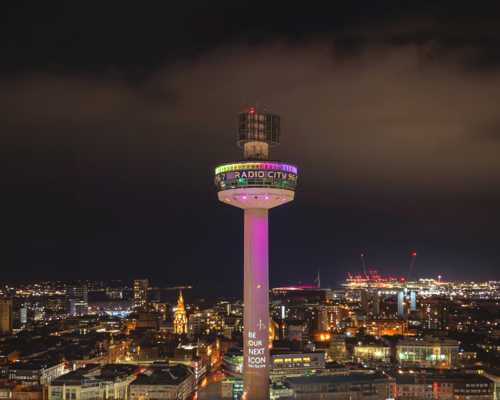
An opportunity to reimagine one of the UK’s most recognisable towers has been formally
opened by Rivington Hark, as St Johns Beacon invites operators and partners to shape its
next phase. [more...]
Jack Shakespeare, head of ukactive Kids, argues for a collective approach to beating childhood inactivity – a trend that has consequences just as serious as childhood obesity
ukactive wants equal opportunities for kids’ holiday-time activities / shutterstock
Modern life has engineered movement out of our days, and children are being hit hardest. While childhood obesity grabs the headlines, inactivity has an equally serious impact.
It’s the fourth biggest risk factor for mortality globally, yet only half of seven-year-olds are meeting the recommended guidelines of 60 minutes of moderate-to-vigorous activity a day, making today’s kids the most inactive generation ever.
We know activity habits formed in childhood carry through to adulthood, so failure to get kids moving has a devastating impact in the longer term.
Inactive children go on to become inactive adults – at risk from a multitude of preventable diseases that put pressure on the NHS.
We need to find ways to get children moving, and it must be a national priority.
The government is taking positive steps to address this issue and in January this year the Department for Education announced a new programme of research and pilots to tackle the issue of unhealthy school holidays.
These have been found to cause disproportionate harm to poorer pupils by contributing to inactivity, malnutrition and poorer academic results.
This programme is a major step, but these efforts alone will not turn the tide. This is a multi-layered issue that needs a multi-faceted response. There’s no silver bullet to reverse decades of inactivity.
Collaboration between our sector, schools and policymakers at national and local level will be vital to address the many factors that have led to a generation of inactive children.
New consultation To bring together the views of these stakeholders – each with their own expertise – ukactive has begun a consultation to offer everyone the chance to have their say on the best ways to engage children in activity.
We’re calling for evidence on what really works, from those who know – parents, teachers, activity providers, policymakers, business leaders and, of course, the children themselves.
We’ll aggregate the evidence to create a report that updates Generation Inactive (2015), offering solutions to shape policy and becoming the blueprint for a collective, evidence-based, approach.
Children’s inactivity is one of the most urgent public health challenges we face. Only by coming together can we establish solutions and I invite anyone with a stake in our children’s health to get involved.
The Toverland theme park in the Netherlands has announced a €98m expansion programme
that will add a resort, new attractions and staff facilities as it pursues plans to become a multi-
day destination.
Hotel de France, located on the British Isle of Jersey, has created a wellness retreat package
that includes a hot yoga session that will take place in Jersey Zoo’s butterfly sanctuary.
A new immersive attraction designed to transport visitors into the final hours of ancient Pompeii
is preparing to open near the world-famous archaeological site in southern Italy.
Experience design company, BRC Imagination Arts, has completed a transition that sees founder
Bob Rogers pass ownership of the business to four long-serving senior executives, while
remaining actively involved with the company.
Movie Park Germany has opened a new Paramount Pictures-themed attraction as part of its 30th
anniversary celebrations, using immersive storytelling and adaptive reuse to reinforce the park’s
longstanding “Hollywood in Germany” positioning.
Therme Manchester’s 28-acre development, which will include interconnected glass pavilions
that measure 65,000sq m, will be the largest bathing and wellbeing attraction in the world once
complete, according to prof David Russell, CEO of Therme UK.
Efteling has opened Hooghmoed, a new family drop tower designed to broaden the appeal of its
recently launched Sirene Island themed area and introduce younger visitors to thrill attractions.
A proposed Puy du Fou development near Bicester and Universal Destinations and Experiences’
planned resort in Bedford are emerging as part of a wider transformation of the Oxford–
Cambridge Growth Corridor into a major centre for UK leisure and tourism inv
Shedd Aquarium has opened the Immersion Theater developed in partnership with SimEx-
Iwerks, as part of a wider strategy to enhance the guest experience and create additional
revenue opportunities.
The UK government has announced a temporary reduction in VAT on visitor attractions and
children’s meals as part of a summer cost-of-living support package designed to stimulate the
visitor economy and encourage family days out.
+ More news
COMPANY PROFILES
Sally Corporation Our services include: Dark ride design & build; Redevelopment of existing attractions; High-quality [more...]
QubicaAMF UK QubicaAMF is the largest and most
innovative bowling equipment provider with
600 employees worldwi [more...]
Polin Waterparks Polin was founded in Istanbul in 1976. Polin
has since grown into a leading company in
the waterpa [more...]
An opportunity to reimagine one of the UK’s most recognisable towers has been formally
opened by Rivington Hark, as St Johns Beacon invites operators and partners to shape its
next phase. [more...]