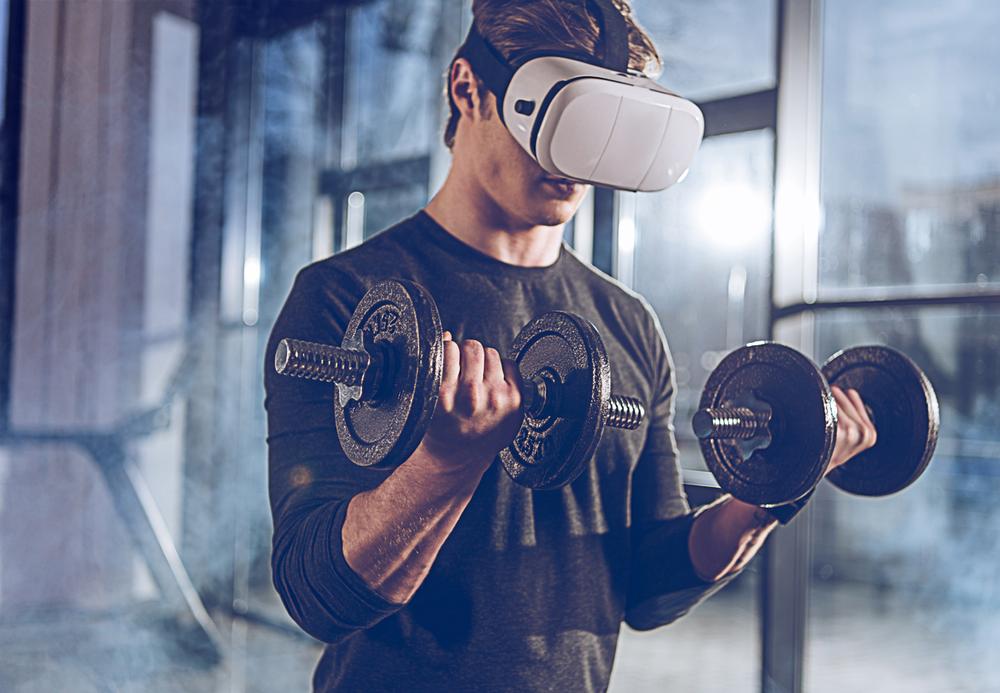
Immersive’ is the buzzword in fitness at the moment, as gyms and suppliers strive to find new ways to make people forget they’re exercising. Now, healthtech entrepreneur Dr Isabel Van De Keere is applying the same principle to the area of rehabilitation.
Last year the former medical technology consultant founded Immersive Rehab – a startup that creates virtual reality (VR) games designed to increase the effectiveness of physical rehabilitation after injury.
“Traditional physiotherapy is quite boring for the patient,” says Dr Van De Keere. “People get demotivated and frustrated.”
On the gym floor This is particularly true for injured gym-goers. Many are non-compliant with the physiotherapist-prescribed exercises they need to do to get back into action – further delaying their recovery. But Dr Van De Keere believes that the introduction of VR machines in gyms could change this.
“When physios give patients an exercise to do at home, most people don’t do it. But if there was a physio clinic in the gym, with VR equipment, people might be more motivated to do their prescribed exercises there. That way they can still go to the gym, so they don’t lose their routine. They won’t be doing their normal programme, but they’ll be getting rehabilitated in a fun and engaging way.”
Dr Van De Keere explains that with virtual reality games, patients become motivated to challenge themselves further than they would in a normal physio session.
“You can really mix up the way exercises are delivered,” she says. “And because patients are inside the virtual environment, they feel empowered. It takes them out of the white-walled, clinical environment and puts them somewhere new and interesting. It also gives them a sense of control over their surroundings.”
VR in the future While Dr Van De Keere’s software is currently aimed at helping patients who have suffered from neurological trauma, such as stroke, traumatic brain injury and spinal cord injury, she has also worked with athletes including Paralympic rower David Smith, and says the potential for treating sports and exercise injuries is high.
“For athletes who are injured and can’t be out there playing their sport, it can be depressing. In VR they can be on a virtual football pitch, for example, doing their rehab exercises with a virtual ball. It strengthens their mental state and is more motivating than doing those exercises within the four white walls of a physio clinic.”
Unsurprisingly, Dr Van De Keere is also a big believer in VR as a tool to get people more active.
“The headsets will become more comfortable and will be more like normal glasses at some point. It will take some time but it’ll happen,” she says.
“Then we’ll be able to have people on the exercise bike or the treadmill who are immersed in an environment, like the mountains. Looking at a TV screen that’s showing a forest won’t make you feel like you’re there. But VR can.”
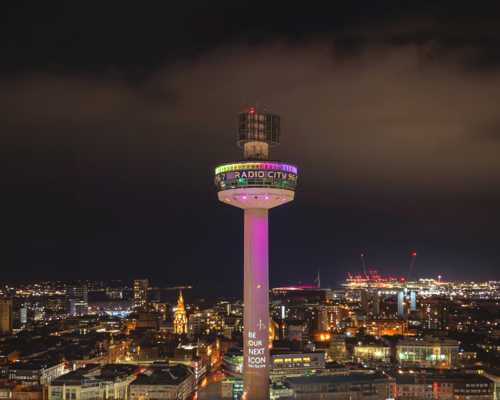
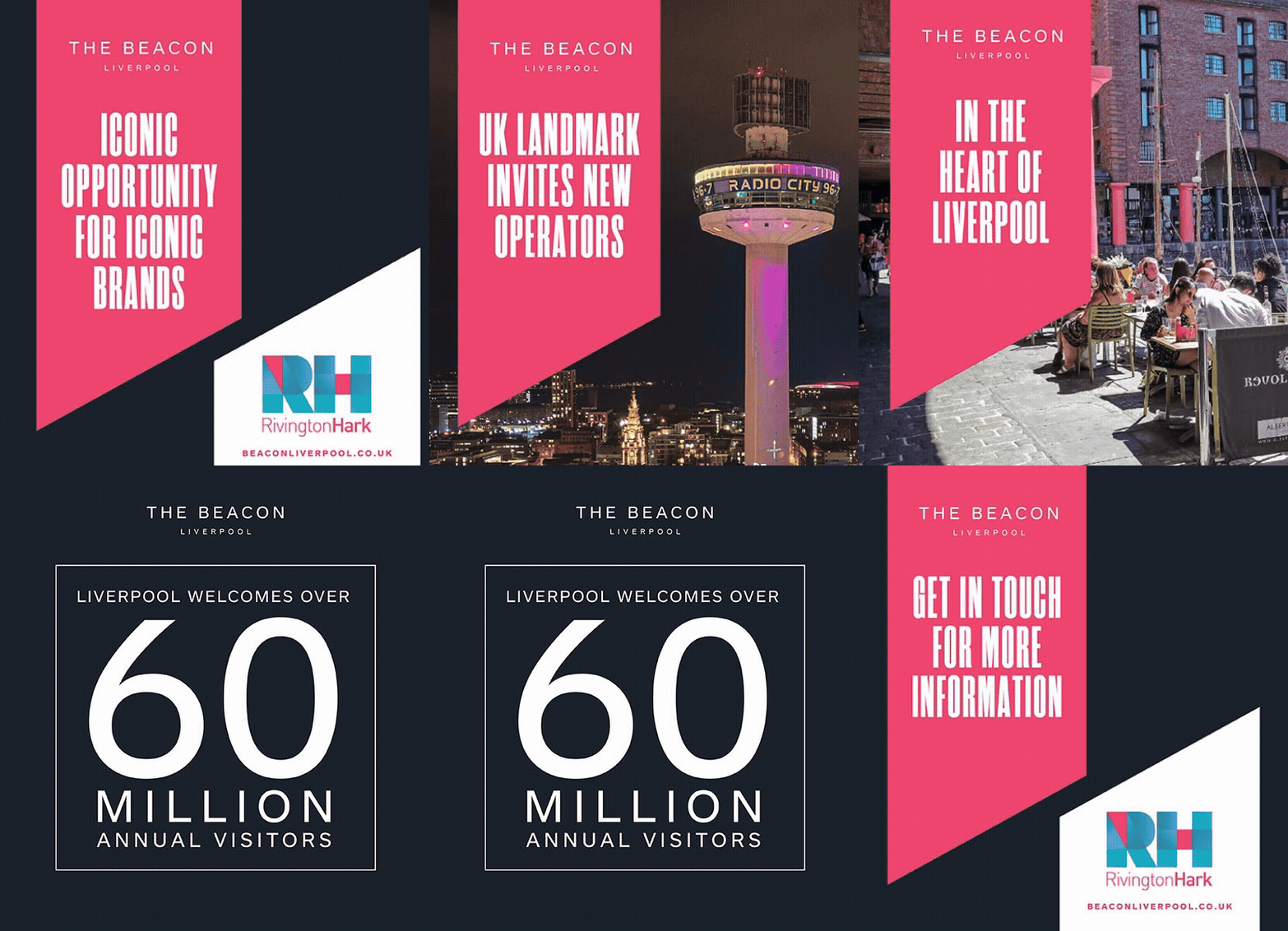
An opportunity to reimagine one of the UK’s most recognisable towers has been formally
opened by Rivington Hark, as St Johns Beacon invites operators and partners to shape its
next phase. [more...]
Immersive’ is the buzzword in fitness at the moment, as gyms and suppliers strive to find new ways to make people forget they’re exercising. Now, healthtech entrepreneur Dr Isabel Van De Keere is applying the same principle to the area of rehabilitation.
Last year the former medical technology consultant founded Immersive Rehab – a startup that creates virtual reality (VR) games designed to increase the effectiveness of physical rehabilitation after injury.
“Traditional physiotherapy is quite boring for the patient,” says Dr Van De Keere. “People get demotivated and frustrated.”
On the gym floor This is particularly true for injured gym-goers. Many are non-compliant with the physiotherapist-prescribed exercises they need to do to get back into action – further delaying their recovery. But Dr Van De Keere believes that the introduction of VR machines in gyms could change this.
“When physios give patients an exercise to do at home, most people don’t do it. But if there was a physio clinic in the gym, with VR equipment, people might be more motivated to do their prescribed exercises there. That way they can still go to the gym, so they don’t lose their routine. They won’t be doing their normal programme, but they’ll be getting rehabilitated in a fun and engaging way.”
Dr Van De Keere explains that with virtual reality games, patients become motivated to challenge themselves further than they would in a normal physio session.
“You can really mix up the way exercises are delivered,” she says. “And because patients are inside the virtual environment, they feel empowered. It takes them out of the white-walled, clinical environment and puts them somewhere new and interesting. It also gives them a sense of control over their surroundings.”
VR in the future While Dr Van De Keere’s software is currently aimed at helping patients who have suffered from neurological trauma, such as stroke, traumatic brain injury and spinal cord injury, she has also worked with athletes including Paralympic rower David Smith, and says the potential for treating sports and exercise injuries is high.
“For athletes who are injured and can’t be out there playing their sport, it can be depressing. In VR they can be on a virtual football pitch, for example, doing their rehab exercises with a virtual ball. It strengthens their mental state and is more motivating than doing those exercises within the four white walls of a physio clinic.”
Unsurprisingly, Dr Van De Keere is also a big believer in VR as a tool to get people more active.
“The headsets will become more comfortable and will be more like normal glasses at some point. It will take some time but it’ll happen,” she says.
“Then we’ll be able to have people on the exercise bike or the treadmill who are immersed in an environment, like the mountains. Looking at a TV screen that’s showing a forest won’t make you feel like you’re there. But VR can.”
A new immersive attraction designed to transport visitors into the final hours of ancient Pompeii
is preparing to open near the world-famous archaeological site in southern Italy.
Experience design company, BRC Imagination Arts, has completed a transition that sees founder
Bob Rogers pass ownership of the business to four long-serving senior executives, while
remaining actively involved with the company.
Movie Park Germany has opened a new Paramount Pictures-themed attraction as part of its 30th
anniversary celebrations, using immersive storytelling and adaptive reuse to reinforce the park’s
longstanding “Hollywood in Germany” positioning.
Therme Manchester’s 28-acre development, which will include interconnected glass pavilions
that measure 65,000sq m, will be the largest bathing and wellbeing attraction in the world once
complete, according to prof David Russell, CEO of Therme UK.
Efteling has opened Hooghmoed, a new family drop tower designed to broaden the appeal of its
recently launched Sirene Island themed area and introduce younger visitors to thrill attractions.
A proposed Puy du Fou development near Bicester and Universal Destinations and Experiences’
planned resort in Bedford are emerging as part of a wider transformation of the Oxford–
Cambridge Growth Corridor into a major centre for UK leisure and tourism inv
Shedd Aquarium has opened the Immersion Theater developed in partnership with SimEx-
Iwerks, as part of a wider strategy to enhance the guest experience and create additional
revenue opportunities.
The UK government has announced a temporary reduction in VAT on visitor attractions and
children’s meals as part of a summer cost-of-living support package designed to stimulate the
visitor economy and encourage family days out.
As designer Yinka Ilori prepares for his first solo gallery show in London, he speaks exclusively
to CLADmag about his mission to spread joy, the power of play, and his bold approach to using
colour (including the colours you won’t see in his work).
The government of Thailand is exploring plans for a THB300bn (£6.3bn, US$8.3bn)
entertainment complex in the country’s Eastern Economic Corridor (EEC), with officials
proposing a large-scale theme park and sports destination as part of a broader tourism and
economic development strategy.
An opportunity to reimagine one of the UK’s most recognisable towers has been formally
opened by Rivington Hark, as St Johns Beacon invites operators and partners to shape its
next phase. [more...]