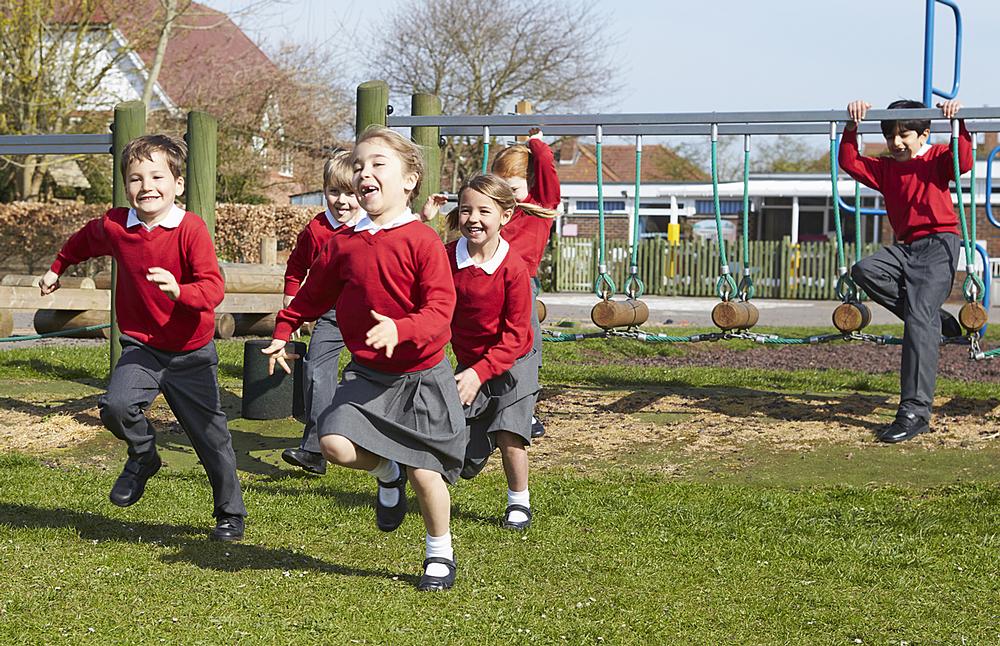
We’re about to waste the opportunity of a lifetime, through lack of focus / View Apart / shutterstock
When the government first announced its Sugar Levy proposal, I gave it the thumbs up, but wondered if it would survive the legislative path through Parliament unscathed. There was certainly no lack of ‘noise’ surrounding the issue at the time but generally the policy has remained intact and the promised money (£415m) will soon be arriving to be spent on school sport and physical education.
Anything that gets the sugar lobby screaming is good enough for me. However, the main problem has been the fractured nature of the debate around the health and wellbeing of our children. We know complex issues cannot be dealt with through single policy solutions, yet still across our sector it’s often suggested that the solution is yet another programme. We’re constantly locked into debates about what outcomes will be delivered through sport, physical education and physical activity.
AN Ineffective approach The Sugar Levy will enable the doubling of the PE and Sport Premium, so those of us who campaigned against the £160m cut to School Sports Partnerships back in 2010 should be excited. But I can’t summon this excitement because I have been underwhelmed by the approach taken to spending what is a significant investment into schools and the health of our children.
Put simply, I don’t think that distributing monies at £9,500 per school will lead to the most effective use of the investment. I’ve seen many examples of good practice during the CSP (County Sports Partnership) Appraisal – usually where schools work in partnership to invest in the long term sustainability of PE within the school. It’s not a case of individual schools not using the money sensibly – but the system of distribution through individual schools simply won’t achieve the results we need.
I believe the solution is giving much clearer guidance on outcome and targets, and enabling greater cooperation across the partnerships at local level. Not the rebirth of the old School Sport Partnership system, of course, but something that builds on the best of the old with some fresh new thinking.
Sweet sorrow I genuinely fear we’ll look back on this time in a decade and wonder how on earth we managed to waste such an opportunity. An injection of £320m into school sport and PE should really be a time for celebration.
In addition to the increased Sugar Levy funding, we now have funds from Sport England that are targeted at younger children – £191m going to children and families, including the £40m Families Fund.
I don’t disagree with any of these individual strands of policy and believe that, overall, funding will help in places. But until we adopt a genuine whole systems approach to looking after the health and wellbeing of our young people, then most of what we do will be a sticking plaster over the problems which cause them in the first place.
Andy Reed is a former MP for Loughborough and the founder of Sports Think Tank.
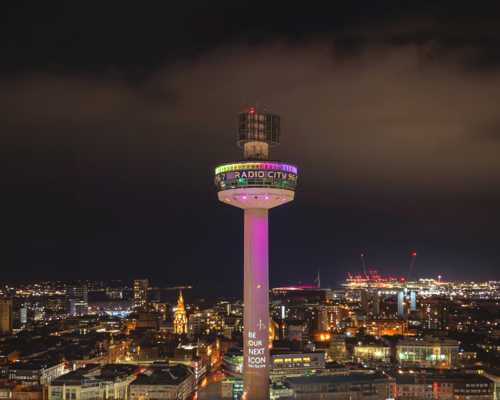
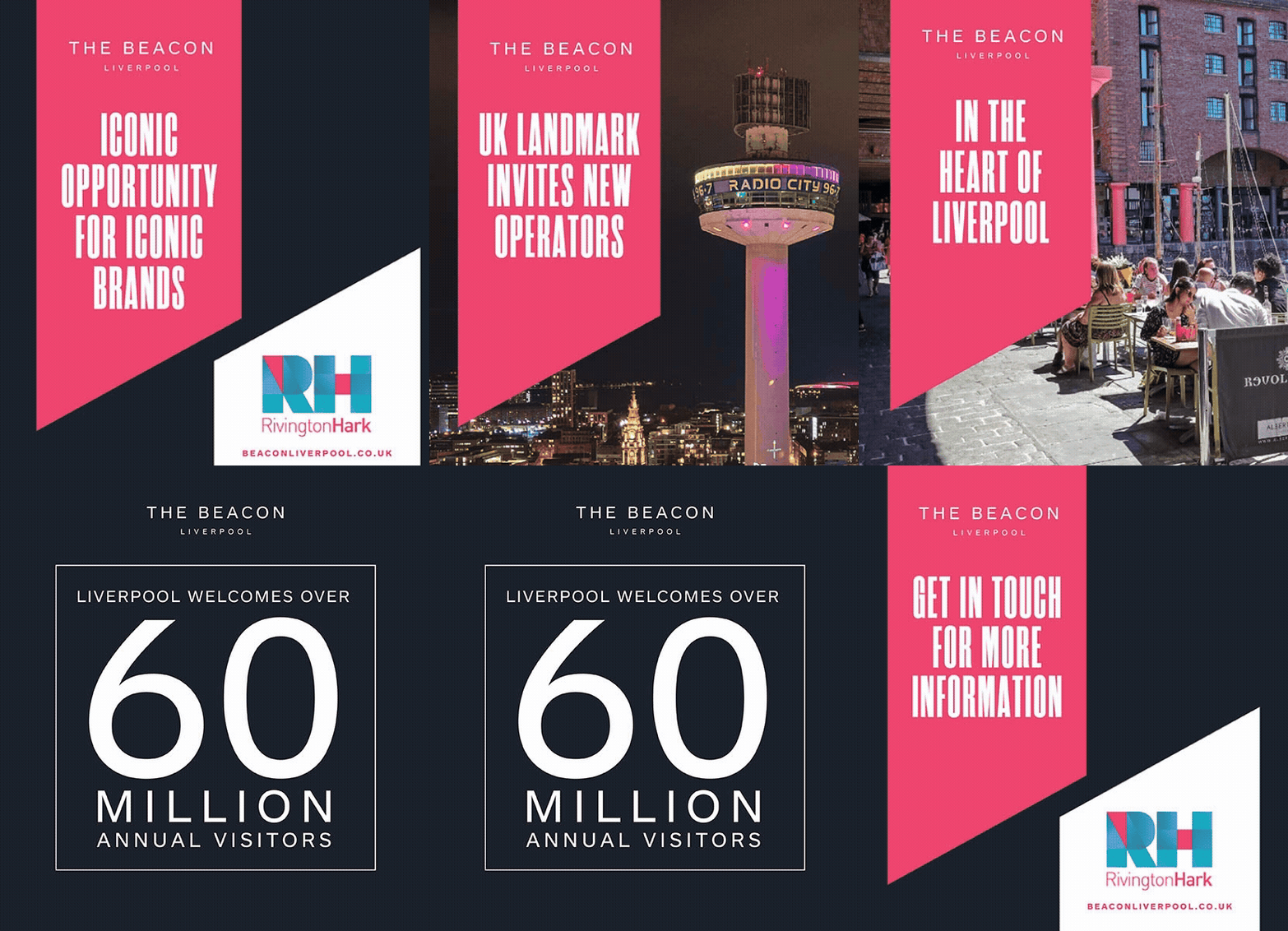
An opportunity to reimagine one of the UK’s most recognisable towers has been formally
opened by Rivington Hark, as St Johns Beacon invites operators and partners to shape its
next phase. [more...]
We’re about to waste the opportunity of a lifetime, through lack of focus / View Apart / shutterstock
When the government first announced its Sugar Levy proposal, I gave it the thumbs up, but wondered if it would survive the legislative path through Parliament unscathed. There was certainly no lack of ‘noise’ surrounding the issue at the time but generally the policy has remained intact and the promised money (£415m) will soon be arriving to be spent on school sport and physical education.
Anything that gets the sugar lobby screaming is good enough for me. However, the main problem has been the fractured nature of the debate around the health and wellbeing of our children. We know complex issues cannot be dealt with through single policy solutions, yet still across our sector it’s often suggested that the solution is yet another programme. We’re constantly locked into debates about what outcomes will be delivered through sport, physical education and physical activity.
AN Ineffective approach The Sugar Levy will enable the doubling of the PE and Sport Premium, so those of us who campaigned against the £160m cut to School Sports Partnerships back in 2010 should be excited. But I can’t summon this excitement because I have been underwhelmed by the approach taken to spending what is a significant investment into schools and the health of our children.
Put simply, I don’t think that distributing monies at £9,500 per school will lead to the most effective use of the investment. I’ve seen many examples of good practice during the CSP (County Sports Partnership) Appraisal – usually where schools work in partnership to invest in the long term sustainability of PE within the school. It’s not a case of individual schools not using the money sensibly – but the system of distribution through individual schools simply won’t achieve the results we need.
I believe the solution is giving much clearer guidance on outcome and targets, and enabling greater cooperation across the partnerships at local level. Not the rebirth of the old School Sport Partnership system, of course, but something that builds on the best of the old with some fresh new thinking.
Sweet sorrow I genuinely fear we’ll look back on this time in a decade and wonder how on earth we managed to waste such an opportunity. An injection of £320m into school sport and PE should really be a time for celebration.
In addition to the increased Sugar Levy funding, we now have funds from Sport England that are targeted at younger children – £191m going to children and families, including the £40m Families Fund.
I don’t disagree with any of these individual strands of policy and believe that, overall, funding will help in places. But until we adopt a genuine whole systems approach to looking after the health and wellbeing of our young people, then most of what we do will be a sticking plaster over the problems which cause them in the first place.
Andy Reed is a former MP for Loughborough and the founder of Sports Think Tank.
A new immersive attraction designed to transport visitors into the final hours of ancient Pompeii
is preparing to open near the world-famous archaeological site in southern Italy.
Experience design company, BRC Imagination Arts, has completed a transition that sees founder
Bob Rogers pass ownership of the business to four long-serving senior executives, while
remaining actively involved with the company.
Movie Park Germany has opened a new Paramount Pictures-themed attraction as part of its 30th
anniversary celebrations, using immersive storytelling and adaptive reuse to reinforce the park’s
longstanding “Hollywood in Germany” positioning.
Therme Manchester’s 28-acre development, which will include interconnected glass pavilions
that measure 65,000sq m, will be the largest bathing and wellbeing attraction in the world once
complete, according to prof David Russell, CEO of Therme UK.
Efteling has opened Hooghmoed, a new family drop tower designed to broaden the appeal of its
recently launched Sirene Island themed area and introduce younger visitors to thrill attractions.
A proposed Puy du Fou development near Bicester and Universal Destinations and Experiences’
planned resort in Bedford are emerging as part of a wider transformation of the Oxford–
Cambridge Growth Corridor into a major centre for UK leisure and tourism inv
Shedd Aquarium has opened the Immersion Theater developed in partnership with SimEx-
Iwerks, as part of a wider strategy to enhance the guest experience and create additional
revenue opportunities.
The UK government has announced a temporary reduction in VAT on visitor attractions and
children’s meals as part of a summer cost-of-living support package designed to stimulate the
visitor economy and encourage family days out.
As designer Yinka Ilori prepares for his first solo gallery show in London, he speaks exclusively
to CLADmag about his mission to spread joy, the power of play, and his bold approach to using
colour (including the colours you won’t see in his work).
The government of Thailand is exploring plans for a THB300bn (£6.3bn, US$8.3bn)
entertainment complex in the country’s Eastern Economic Corridor (EEC), with officials
proposing a large-scale theme park and sports destination as part of a broader tourism and
economic development strategy.
An opportunity to reimagine one of the UK’s most recognisable towers has been formally
opened by Rivington Hark, as St Johns Beacon invites operators and partners to shape its
next phase. [more...]