The physical activity sector is making good progress in Westminster, but there are many battles ahead. ukactive executive director Steven Ward explains
By Steven Ward | Published in Health Club Management 2017 issue 5
£415m of funding will promote activity and healthy eating in schools / Photograph: SHUTTERSTOCK.COM
How far up the political agenda has the physical activity sector progressed in recent years? A heck of a long way, according to sports minister Tracey Crouch. At the recent ukactive Parliamentary Reception, the MP for Chatham and Aylesford noted that “partnerships like those with ukactive and the wider physical activity sector have a major role to play in supporting the government to deliver a healthier nation”.
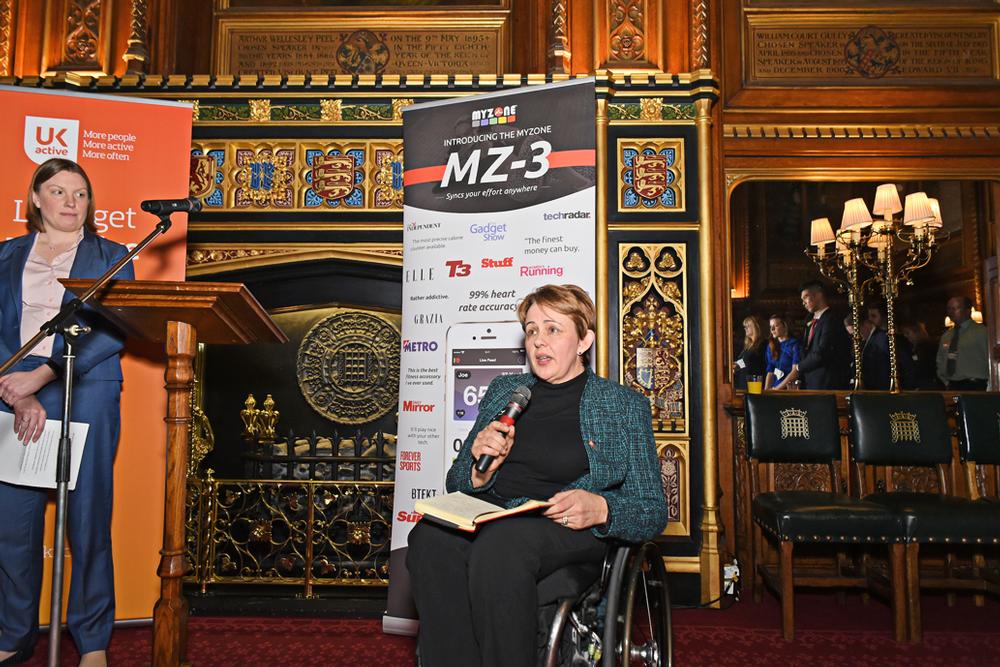
We have an awfully long way to go before we can say we’ve truly turned the tide on our physical activity epidemic, but we’re heading in the right direction. The reception brought ukactive members and partners together with nearly 50 leading parliamentarians for a valuable evening of networking and discussion.
Our sector has a crucial role to play in helping the government to deliver on its core agenda of creating a healthier, more productive nation. We know that physical inactivity costs the economy £20bn per year, while the majority of Britain’s 131 million annual sick days are due to back, neck and muscle pain, which can largely be avoided through regular movement and strength exercises.
Best possible use Many of these problems start in the playground, so it’s hugely encouraging that the government has recently pledged to ring-fence £415m of funding from the Soft Drinks Industry Levy to promote activity and healthy eating in schools. However, we believe this money will have a limited impact unless schools adopt fitness measurements nationwide. The ukactive public affairs team has been working to build cross-party consensus behind this flagship policy objective.
In fact, the team has held meetings with more than 50 senior parliamentarians over the past year, growing support for pro-physical activity policies and a £1bn capital investment in our country’s leisure stock. These endeavours have also led to dozens of activity-focused questions being asked in the House of Commons and I’m confident that our unrelenting efforts will soon be rewarded with a significant breakthrough.
Fighting for fitness Physical activity’s growing standing in Westminster leaves much room for optimism, but the Spring Budget was a sobering reminder that there are many battles ahead. Chancellor Philip Hammond confirmed that sport and physical activity will be omitted from the 15 core employment pathways as part of the new Post-16 Skills Plan for vocational and technical education recommended by the Sainsbury Review. This glaring omission drastically underestimates the importance of our sector to the future of UK PLC.
By failing to provide a clear career pathway into the physical activity sector for young people, the government risks weakening the workforce at a time when it’s never been needed more. The physical activity and sport sector employs over 500,000 people and holds the key to some of the biggest societal challenges that we face today. We’re winning some friends in Westminster, but we must strive to win many more hearts and minds.
An opportunity to reimagine one of the UK’s most recognisable towers has been formally
opened by Rivington Hark, as St Johns Beacon invites operators and partners to shape its
next phase. [more...]
The physical activity sector is making good progress in Westminster, but there are many battles ahead. ukactive executive director Steven Ward explains
By Steven Ward | Published in Health Club Management 2017 issue 5
£415m of funding will promote activity and healthy eating in schools / Photograph: SHUTTERSTOCK.COM
How far up the political agenda has the physical activity sector progressed in recent years? A heck of a long way, according to sports minister Tracey Crouch. At the recent ukactive Parliamentary Reception, the MP for Chatham and Aylesford noted that “partnerships like those with ukactive and the wider physical activity sector have a major role to play in supporting the government to deliver a healthier nation”.
We have an awfully long way to go before we can say we’ve truly turned the tide on our physical activity epidemic, but we’re heading in the right direction. The reception brought ukactive members and partners together with nearly 50 leading parliamentarians for a valuable evening of networking and discussion.
Our sector has a crucial role to play in helping the government to deliver on its core agenda of creating a healthier, more productive nation. We know that physical inactivity costs the economy £20bn per year, while the majority of Britain’s 131 million annual sick days are due to back, neck and muscle pain, which can largely be avoided through regular movement and strength exercises.
Best possible use Many of these problems start in the playground, so it’s hugely encouraging that the government has recently pledged to ring-fence £415m of funding from the Soft Drinks Industry Levy to promote activity and healthy eating in schools. However, we believe this money will have a limited impact unless schools adopt fitness measurements nationwide. The ukactive public affairs team has been working to build cross-party consensus behind this flagship policy objective.
In fact, the team has held meetings with more than 50 senior parliamentarians over the past year, growing support for pro-physical activity policies and a £1bn capital investment in our country’s leisure stock. These endeavours have also led to dozens of activity-focused questions being asked in the House of Commons and I’m confident that our unrelenting efforts will soon be rewarded with a significant breakthrough.
Fighting for fitness Physical activity’s growing standing in Westminster leaves much room for optimism, but the Spring Budget was a sobering reminder that there are many battles ahead. Chancellor Philip Hammond confirmed that sport and physical activity will be omitted from the 15 core employment pathways as part of the new Post-16 Skills Plan for vocational and technical education recommended by the Sainsbury Review. This glaring omission drastically underestimates the importance of our sector to the future of UK PLC.
By failing to provide a clear career pathway into the physical activity sector for young people, the government risks weakening the workforce at a time when it’s never been needed more. The physical activity and sport sector employs over 500,000 people and holds the key to some of the biggest societal challenges that we face today. We’re winning some friends in Westminster, but we must strive to win many more hearts and minds.
A new immersive attraction designed to transport visitors into the final hours of ancient Pompeii
is preparing to open near the world-famous archaeological site in southern Italy.
Experience design company, BRC Imagination Arts, has completed a transition that sees founder
Bob Rogers pass ownership of the business to four long-serving senior executives, while
remaining actively involved with the company.
Movie Park Germany has opened a new Paramount Pictures-themed attraction as part of its 30th
anniversary celebrations, using immersive storytelling and adaptive reuse to reinforce the park’s
longstanding “Hollywood in Germany” positioning.
Therme Manchester’s 28-acre development, which will include interconnected glass pavilions
that measure 65,000sq m, will be the largest bathing and wellbeing attraction in the world once
complete, according to prof David Russell, CEO of Therme UK.
Efteling has opened Hooghmoed, a new family drop tower designed to broaden the appeal of its
recently launched Sirene Island themed area and introduce younger visitors to thrill attractions.
A proposed Puy du Fou development near Bicester and Universal Destinations and Experiences’
planned resort in Bedford are emerging as part of a wider transformation of the Oxford–
Cambridge Growth Corridor into a major centre for UK leisure and tourism inv
Shedd Aquarium has opened the Immersion Theater developed in partnership with SimEx-
Iwerks, as part of a wider strategy to enhance the guest experience and create additional
revenue opportunities.
The UK government has announced a temporary reduction in VAT on visitor attractions and
children’s meals as part of a summer cost-of-living support package designed to stimulate the
visitor economy and encourage family days out.
As designer Yinka Ilori prepares for his first solo gallery show in London, he speaks exclusively
to CLADmag about his mission to spread joy, the power of play, and his bold approach to using
colour (including the colours you won’t see in his work).
The government of Thailand is exploring plans for a THB300bn (£6.3bn, US$8.3bn)
entertainment complex in the country’s Eastern Economic Corridor (EEC), with officials
proposing a large-scale theme park and sports destination as part of a broader tourism and
economic development strategy.
An opportunity to reimagine one of the UK’s most recognisable towers has been formally
opened by Rivington Hark, as St Johns Beacon invites operators and partners to shape its
next phase. [more...]