Unique attractions, catering and live shows geared towards the burgeoning middle class Chinese market is key to Shanghai Disneyland’s good fortune. David Camp considers the outlook
By David Camp | Published in Attractions Handbook 2016 issue 1
For Disney executives, the main questions on China were when and how – not if. The world’s biggest attractions operator needed to be in the world’s biggest market, but the timing, location and project had to be right. It needed support from the Chinese government and strong local partners.
Until 1978 Disney characters were banned in China, and it was not until 1986 that Disney cartoons started to be shown on Chinese TV. Disney executives knew that the only way they’d be able to work effectively in China would be to work closely with the authorities. Their partnership with the state-owned Shanghai Shendi Group (which owns 57 per cent of the joint venture) not only secured development funds, but also guaranteed the all-important local support and favourable influence.
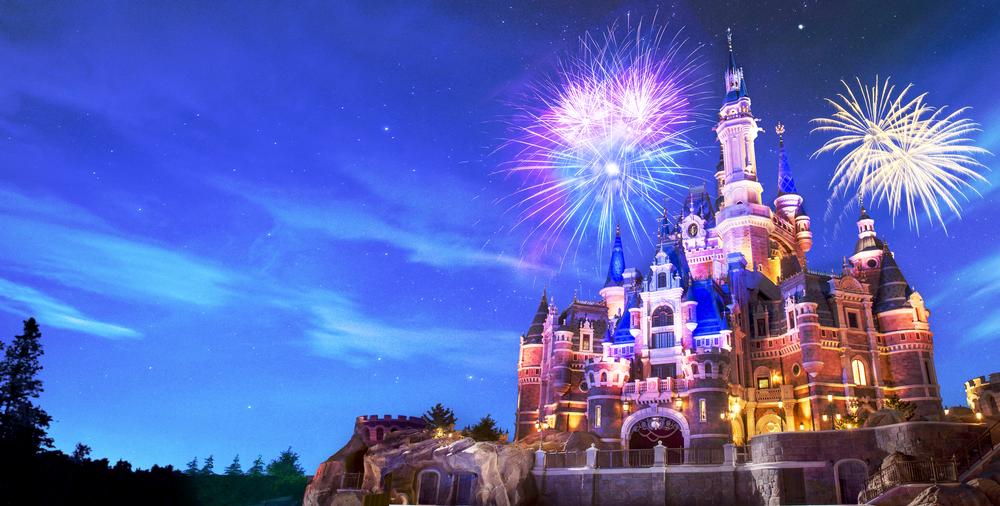
The opening of Shanghai Disneyland on 16 June 2016 marked the culmination of more than 17 years of negotiation, planning and development. The first site visits were made in 1999, it then took a decade to obtain government support and planning approval for the development, ground-breaking took place in 2011 and construction took a further five years.
The investment of US$4.8bn (€4.3bn, £3.7bn) in the park and a total of US$5.5bn (€4.9bn, £4.4bn) in the Shanghai Disney resort is equivalent to a third of Disney’s global theme park revenues. It is a massive expenditure but not much more than the US$4.4bn (€3.9bn, £3.4bn) investment in Disneyland Paris resort back in 1992.
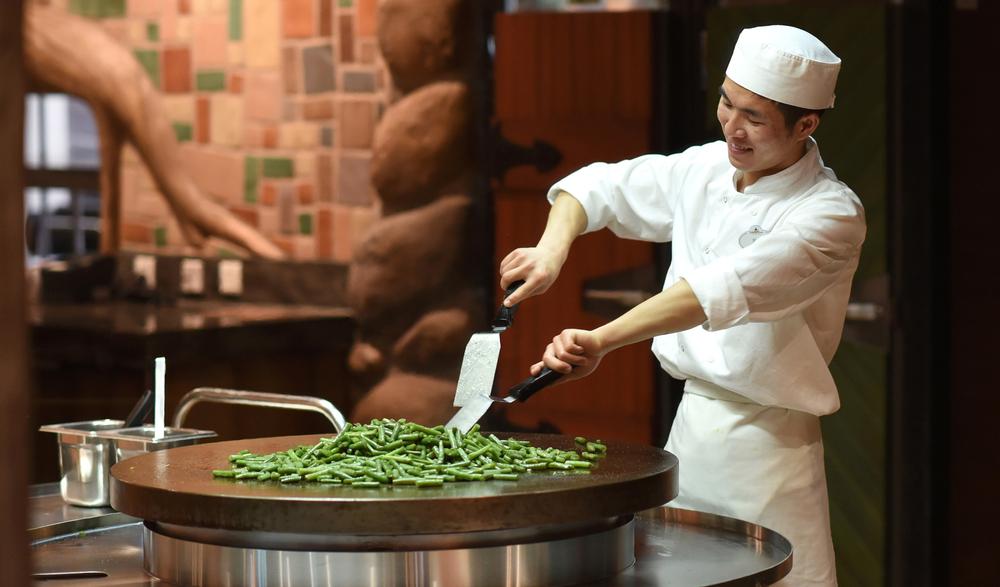
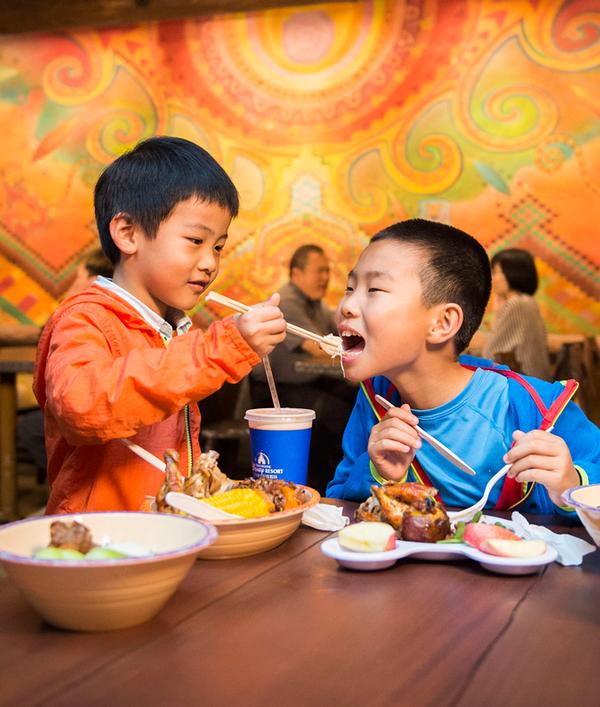
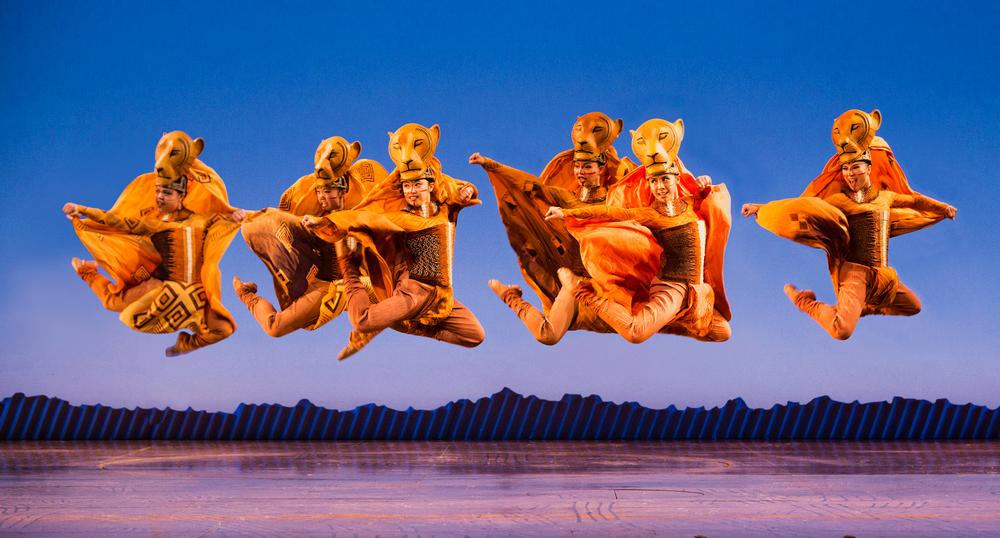
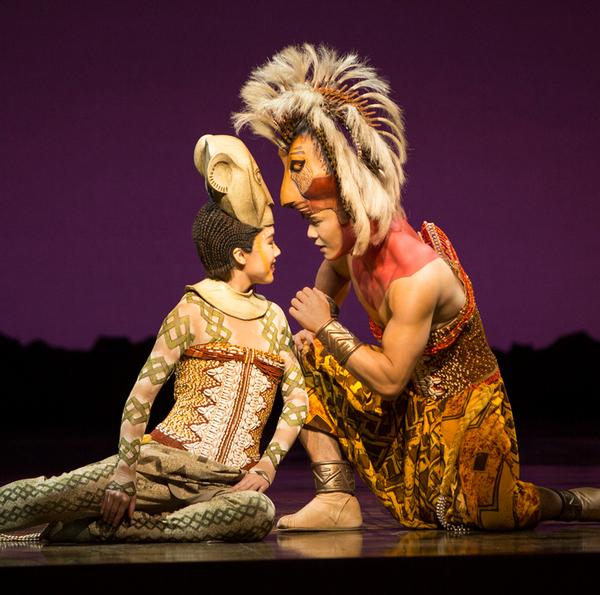
LESSONS LEARNED Lessons have been learned from Paris. The Shanghai resort is opening with just 1,220 hotel rooms and a modestly sized Disney Town RDE area, rather than the copious 5,000 rooms built in Paris. Park designers have also sought to make Shanghai Disneyland relevant to the local Chinese market. Ninety per cent of the food offered is Asian fare, a six-hectare garden space in the theme park has been created to appeal to the preferences of Chinese urban masses, and live shows are also firmly geared to the Chinese audience. Disney marketing material refer to the park as being “authentically Disney and distinctly Chinese”. This is a critical difference to the Paris and Hong Kong Disney parks.
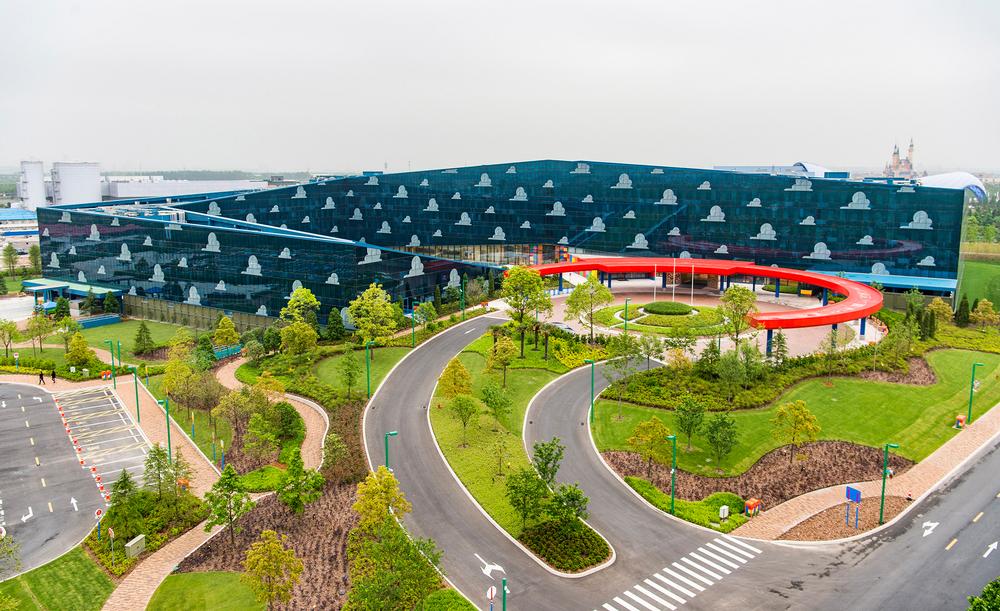
Attendance targets have been set at 10-12 million for the first year with growth over time to around 17 million annual visits. This would immediately position Shanghai Disney in the top 10 most visited theme parks in the world and yet it is would be merely a kick start for the massive 2,000-hectare (4,940-acre) Shanghai International Resorts Zone development that it anchors.
REAL POTENTIAL At the moment Shanghai Disney stands almost alone, but the 50,000sq m (538,200sq ft) Shanghai Village outlet centre will open soon and additional hotel and resort development has already been announced for the area. The economic rationale is compelling. Real estate values in surrounding areas have jumped by a quarter in the past year, even before the opening of the park and further development will serve to increase demand.
A study by research economist Buzz Price in the 1960s revealed that during Disneyland California’s early years, for every US$1 spent inside the park, US$2 was spent on supporting activities outside. This impact – and the fact that Disney was not benefiting from the external spending – led to the creation of Walt Disney World in Florida. It is also a fundamental factor in the planning for the Shanghai International Resorts Zone. Work is already underway on expansion in the 390-hectare (964-acre) first phase development area. Meanwhile the central 700-hectare (1,730-acre) park zone contains enough space to create additional theme parks and boost visitor numbers significantly over time. These expansions will support future development including hotels, retail centres, residential zones and smaller attractions.
DOMESTIC TOURISM With Chinese consumers seeing international brands as aspirational and expressions of success, Disneyland Shanghai is targeting the purchasing power of the rapidly increasing middle class strata in China. The market is certainly large. There are 24 million people living in Shanghai, 105 million in the wider Yangtze River Delta Region and an estimated 330 million income-qualified potential visitors within a three-hour road or rail radius.
In addition to regional residents, the tourist destination is strongly targeting the US$400bn (€353bn, £309bn) domestic tourism market.
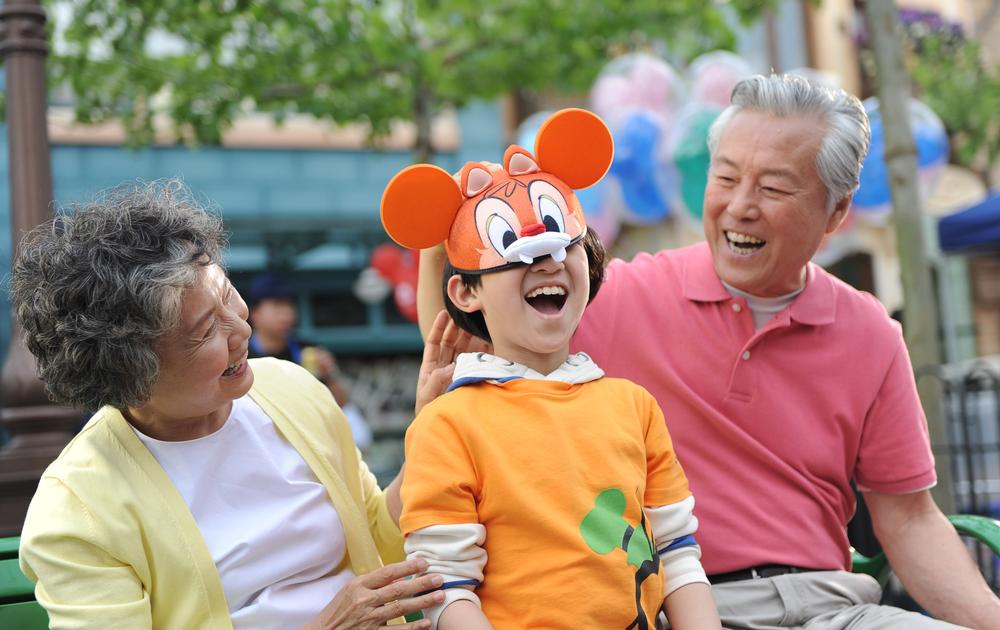
While China’s one-child policy may be seen as a limiting factor on demand, the Chinese market has a strong family focus and grandparents frequently accompany their children and grandchildren on trips. According to Andy Bird, chair of Walt Disney International, this results in “one child, six pairs of pockets” – and this could drive strong merchandise sales.
PROFITING THE POTENTIAL Standard adult admission tickets cost CNY370 (US$51, €50, £43) and the price rises to CNY499 (US$75, €67, £58) during peak periods. This is more expensive than other parks in China, but considerably less than that charged at other Disney parks around the world. Despite the more expensive entrance fee, park executives do not expect Shanghai Disney to make a profit in its first year. Instead, it’s considered part of a long-term development plan. The state-sponsored Shanghai Shendi Group has a vested interest in ensuring the destination’s success as it will make its returns from the wider resort real estate development – of which Disney Shanghai is the honey pot. With 85 per cent of Walt Disney’s Parks and Resorts revenue currently coming from domestic US parks, the international expansion offers significant growth potential. Analysts suggest that within five years, China’s latest park could be contributing an annual US$500-900m (€440-800m, £386-694m) profit to Disney.
Disney’s CEO, Robert Iger, called Shanghai “the greatest opportunity the company has had since Walt Disney himself bought land in central Florida”. Last year more than 58 million visits were made to Disney’s Orlando parks and over 66 million tourists visited the city. With China’s population being 2.5 times that of North America, it’s easy to see why Robert Iger is excited about the future.
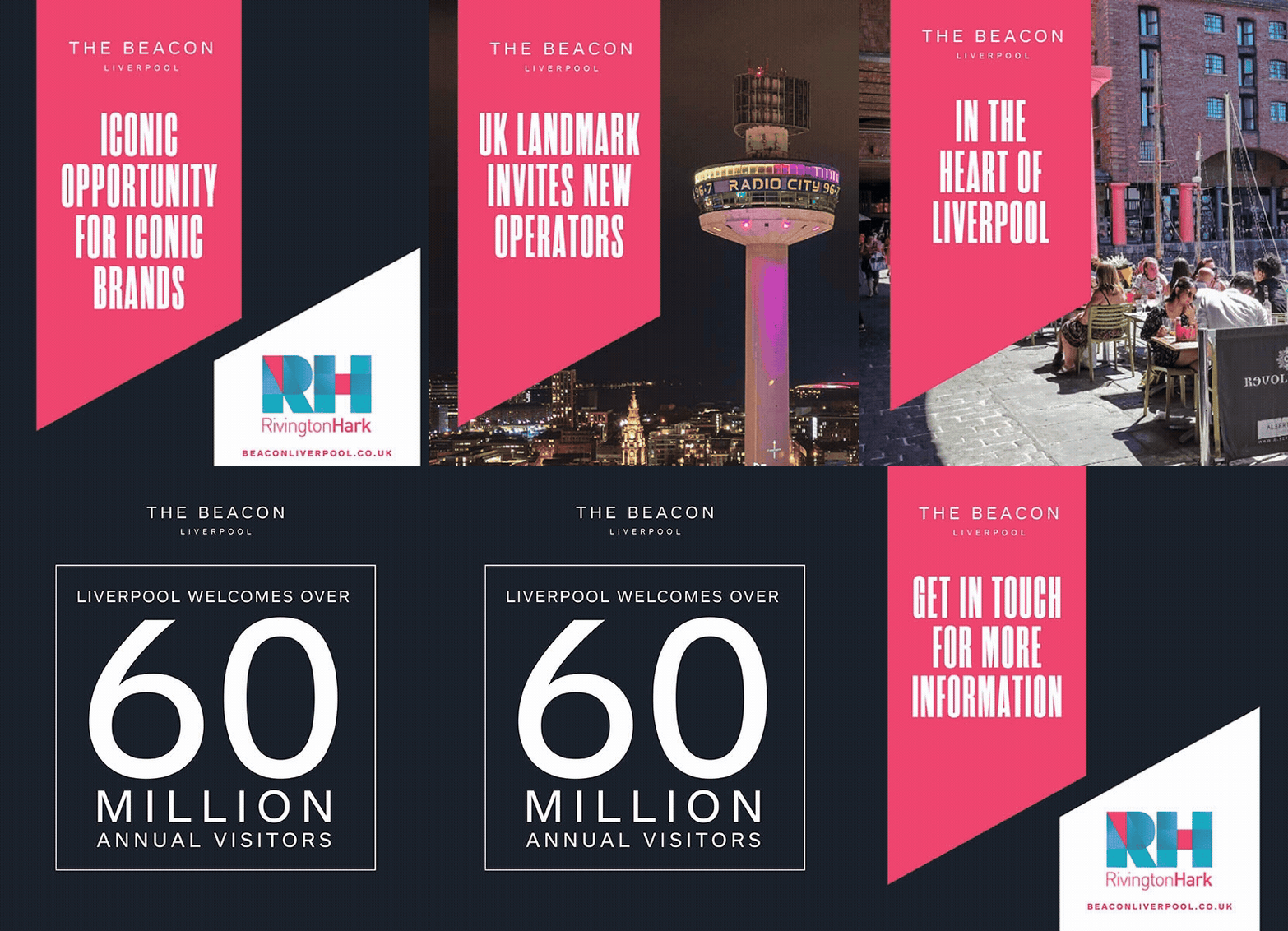
An opportunity to reimagine one of the UK’s most recognisable towers has been formally
opened by Rivington Hark, as St Johns Beacon invites operators and partners to shape its
next phase. [more...]
Unique attractions, catering and live shows geared towards the burgeoning middle class Chinese market is key to Shanghai Disneyland’s good fortune. David Camp considers the outlook
By David Camp | Published in Attractions Handbook 2016 issue 1
For Disney executives, the main questions on China were when and how – not if. The world’s biggest attractions operator needed to be in the world’s biggest market, but the timing, location and project had to be right. It needed support from the Chinese government and strong local partners.
Until 1978 Disney characters were banned in China, and it was not until 1986 that Disney cartoons started to be shown on Chinese TV. Disney executives knew that the only way they’d be able to work effectively in China would be to work closely with the authorities. Their partnership with the state-owned Shanghai Shendi Group (which owns 57 per cent of the joint venture) not only secured development funds, but also guaranteed the all-important local support and favourable influence.
The opening of Shanghai Disneyland on 16 June 2016 marked the culmination of more than 17 years of negotiation, planning and development. The first site visits were made in 1999, it then took a decade to obtain government support and planning approval for the development, ground-breaking took place in 2011 and construction took a further five years.
The investment of US$4.8bn (€4.3bn, £3.7bn) in the park and a total of US$5.5bn (€4.9bn, £4.4bn) in the Shanghai Disney resort is equivalent to a third of Disney’s global theme park revenues. It is a massive expenditure but not much more than the US$4.4bn (€3.9bn, £3.4bn) investment in Disneyland Paris resort back in 1992.
LESSONS LEARNED Lessons have been learned from Paris. The Shanghai resort is opening with just 1,220 hotel rooms and a modestly sized Disney Town RDE area, rather than the copious 5,000 rooms built in Paris. Park designers have also sought to make Shanghai Disneyland relevant to the local Chinese market. Ninety per cent of the food offered is Asian fare, a six-hectare garden space in the theme park has been created to appeal to the preferences of Chinese urban masses, and live shows are also firmly geared to the Chinese audience. Disney marketing material refer to the park as being “authentically Disney and distinctly Chinese”. This is a critical difference to the Paris and Hong Kong Disney parks.
Attendance targets have been set at 10-12 million for the first year with growth over time to around 17 million annual visits. This would immediately position Shanghai Disney in the top 10 most visited theme parks in the world and yet it is would be merely a kick start for the massive 2,000-hectare (4,940-acre) Shanghai International Resorts Zone development that it anchors.
REAL POTENTIAL At the moment Shanghai Disney stands almost alone, but the 50,000sq m (538,200sq ft) Shanghai Village outlet centre will open soon and additional hotel and resort development has already been announced for the area. The economic rationale is compelling. Real estate values in surrounding areas have jumped by a quarter in the past year, even before the opening of the park and further development will serve to increase demand.
A study by research economist Buzz Price in the 1960s revealed that during Disneyland California’s early years, for every US$1 spent inside the park, US$2 was spent on supporting activities outside. This impact – and the fact that Disney was not benefiting from the external spending – led to the creation of Walt Disney World in Florida. It is also a fundamental factor in the planning for the Shanghai International Resorts Zone. Work is already underway on expansion in the 390-hectare (964-acre) first phase development area. Meanwhile the central 700-hectare (1,730-acre) park zone contains enough space to create additional theme parks and boost visitor numbers significantly over time. These expansions will support future development including hotels, retail centres, residential zones and smaller attractions.
DOMESTIC TOURISM With Chinese consumers seeing international brands as aspirational and expressions of success, Disneyland Shanghai is targeting the purchasing power of the rapidly increasing middle class strata in China. The market is certainly large. There are 24 million people living in Shanghai, 105 million in the wider Yangtze River Delta Region and an estimated 330 million income-qualified potential visitors within a three-hour road or rail radius.
In addition to regional residents, the tourist destination is strongly targeting the US$400bn (€353bn, £309bn) domestic tourism market.
While China’s one-child policy may be seen as a limiting factor on demand, the Chinese market has a strong family focus and grandparents frequently accompany their children and grandchildren on trips. According to Andy Bird, chair of Walt Disney International, this results in “one child, six pairs of pockets” – and this could drive strong merchandise sales.
PROFITING THE POTENTIAL Standard adult admission tickets cost CNY370 (US$51, €50, £43) and the price rises to CNY499 (US$75, €67, £58) during peak periods. This is more expensive than other parks in China, but considerably less than that charged at other Disney parks around the world. Despite the more expensive entrance fee, park executives do not expect Shanghai Disney to make a profit in its first year. Instead, it’s considered part of a long-term development plan. The state-sponsored Shanghai Shendi Group has a vested interest in ensuring the destination’s success as it will make its returns from the wider resort real estate development – of which Disney Shanghai is the honey pot. With 85 per cent of Walt Disney’s Parks and Resorts revenue currently coming from domestic US parks, the international expansion offers significant growth potential. Analysts suggest that within five years, China’s latest park could be contributing an annual US$500-900m (€440-800m, £386-694m) profit to Disney.
Disney’s CEO, Robert Iger, called Shanghai “the greatest opportunity the company has had since Walt Disney himself bought land in central Florida”. Last year more than 58 million visits were made to Disney’s Orlando parks and over 66 million tourists visited the city. With China’s population being 2.5 times that of North America, it’s easy to see why Robert Iger is excited about the future.
Experience design company, BRC Imagination Arts, has completed a transition that sees founder
Bob Rogers pass ownership of the business to four long-serving senior executives, while
remaining actively involved with the company.
Movie Park Germany has opened a new Paramount Pictures-themed attraction as part of its 30th
anniversary celebrations, using immersive storytelling and adaptive reuse to reinforce the park’s
longstanding “Hollywood in Germany” positioning.
Therme Manchester’s 28-acre development, which will include interconnected glass pavilions
that measure 65,000sq m, will be the largest bathing and wellbeing attraction in the world once
complete, according to prof David Russell, CEO of Therme UK.
Efteling has opened Hooghmoed, a new family drop tower designed to broaden the appeal of its
recently launched Sirene Island themed area and introduce younger visitors to thrill attractions.
A proposed Puy du Fou development near Bicester and Universal Destinations and Experiences’
planned resort in Bedford are emerging as part of a wider transformation of the Oxford–
Cambridge Growth Corridor into a major centre for UK leisure and tourism inv
Shedd Aquarium has opened the Immersion Theater developed in partnership with SimEx-
Iwerks, as part of a wider strategy to enhance the guest experience and create additional
revenue opportunities.
The UK government has announced a temporary reduction in VAT on visitor attractions and
children’s meals as part of a summer cost-of-living support package designed to stimulate the
visitor economy and encourage family days out.
As designer Yinka Ilori prepares for his first solo gallery show in London, he speaks exclusively
to CLADmag about his mission to spread joy, the power of play, and his bold approach to using
colour (including the colours you won’t see in his work).
The government of Thailand is exploring plans for a THB300bn (£6.3bn, US$8.3bn)
entertainment complex in the country’s Eastern Economic Corridor (EEC), with officials
proposing a large-scale theme park and sports destination as part of a broader tourism and
economic development strategy.
Royal Caribbean has revealed its Hero of the Seas cruise ship, home to the most pools at sea
(nine), and a record-breaking 28 dining venues, as well as attractions including a waterpark
with two new family raft slides.
+ More news
COMPANY PROFILES
Alterface Alterface’s Creative Division team is
seasoned in concept and ride development,
as well as storyte [more...]
RMA Ltd RMA Ltd is a one-stop global company
that can design, build and produce from a
greenfield site upw [more...]
Simworx Ltd The company was initially established
in 1997. Terry Monkton and Andrew
Roberts are the key stakeh [more...]
DJW David & Lynn Willrich started the Company
over thirty years ago, from the Audio Visual
Department [more...]
An opportunity to reimagine one of the UK’s most recognisable towers has been formally
opened by Rivington Hark, as St Johns Beacon invites operators and partners to shape its
next phase. [more...]