Irish tourism is growing, with a 12 per cent increase
in overseas visitors during the first nine months of 2016.
Kath Hudson explores the latest tourism initiative
By Kath Hudson | Published in Leisure Management 2016 issue 1
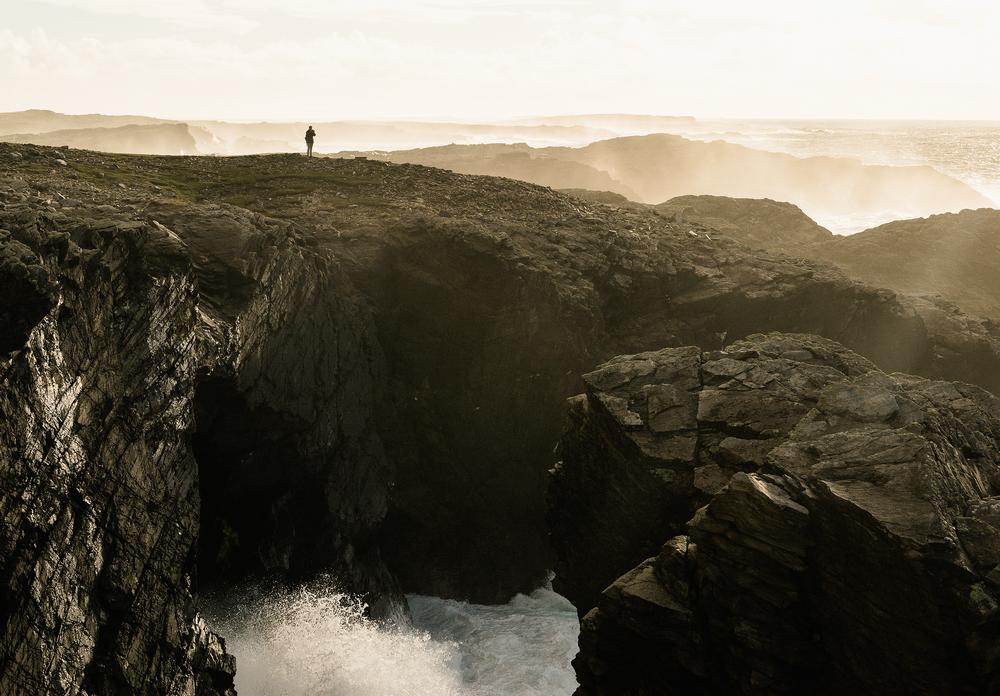
The Wild Atlantic Way is a 2,500km coastal route in western Ireland / PHOTO: Christian McLeod
When Star Wars: The Force Awakens hit cinema screens at the end of 2015, it gave Ireland the last word. Luke Skywalker’s vignette appearance, in the enigmatic scenery of Skellig Michael, was the final impression viewers were left with from the film. So when they started thinking about their spring getaways, Ireland was uppermost in their minds. And bingo, it was a bumper Easter for Irish tourism!
Starring in a blockbuster has clearly helped, but the success is not all down to Disney, who owns the Star Wars franchise. Fáilte Ireland and Tourism Ireland have worked very hard over the past few years to rejuvenate visitor figures, which started to lag from key markets – such as the UK – in 2008.
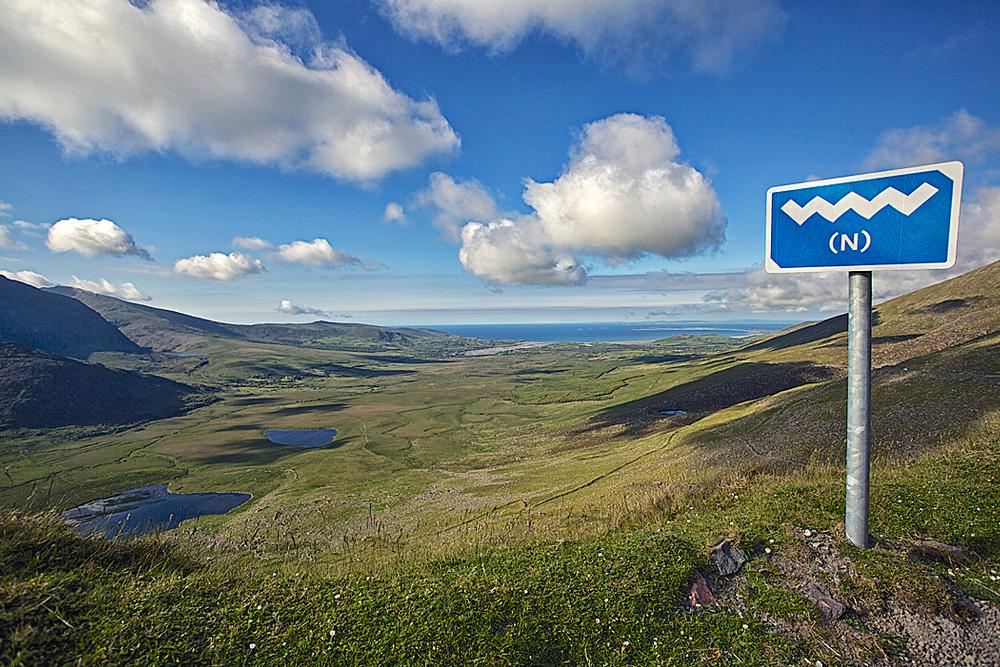
One of the main initiatives has been the creation of the Wild Atlantic Way, which launched in spring 2014. This iconic 2,500km coastal route runs from the northernmost point of southern Ireland – Malin Head – to Cork at the very bottom. After a €12m investment in signage and infrastructure, there is now a sense of wayfinding and a joined-up experience all the way along the coast. There are 188 discovery points with photo spots and interpretation story panels to encourage visitors to stop off and explore the area.
Iconic Coastal Scenery The Wild Atlantic Way is divided into six areas, each with its own distinctive character . The route can be marketed as a whole or in separate parts. The intention is to influence people not to drive, walk or cycle the whole way in one go, but to explore areas in depth and return later to experience another part. To encourage this, a Wild Atlantic Way passport was developed, which can be picked up at any Post Office, providing a memento of the visit and encouraging repeat visits to other parts of the route.
“The Wild Atlantic Way creates one package with a number of discovery points along the route and allows people to select different elements,” says Vanessa Markey, head of Great Britain at Tourism Ireland. “It’s a spectacular and culturally rich route with iconic coastal scenery.”
Although the main goal of the Wild Atlantic Way is to increase visits, dwell time, spend and satisfaction along the whole route, Fáilte Ireland was also keen to push tourism in some of the less popular areas. Traditionally, Cork and the south west, which has good access from the UK, have been the most popular destinations. The marketing partners have been eager to give visitors compelling reasons to go to some of the less obvious locations, such as the north.
Prior to launching the route, a lot of work was put into consumer profiling. “This allowed us to segment the market and appeal to people based on passion points as opposed to demographic,” says Markey. “Appealing to their motivations is working really well.”
Social energisers Three main markets were identified. The culturally curious, who are drawn by the culture, history and heritage. The great escapers who come for longer, touring breaks and enjoy activities such as kayaking or walking. Social energisers are younger, coming for the weekend via one of the four regional airports.
Markey says dwell time also varies by market and segment. Longer haul markets, such as those from the US and Australia, will stay for 10 days to two weeks. European consumers are more likely to come for about a week, whereas British visitors frequently come for a long weekend.
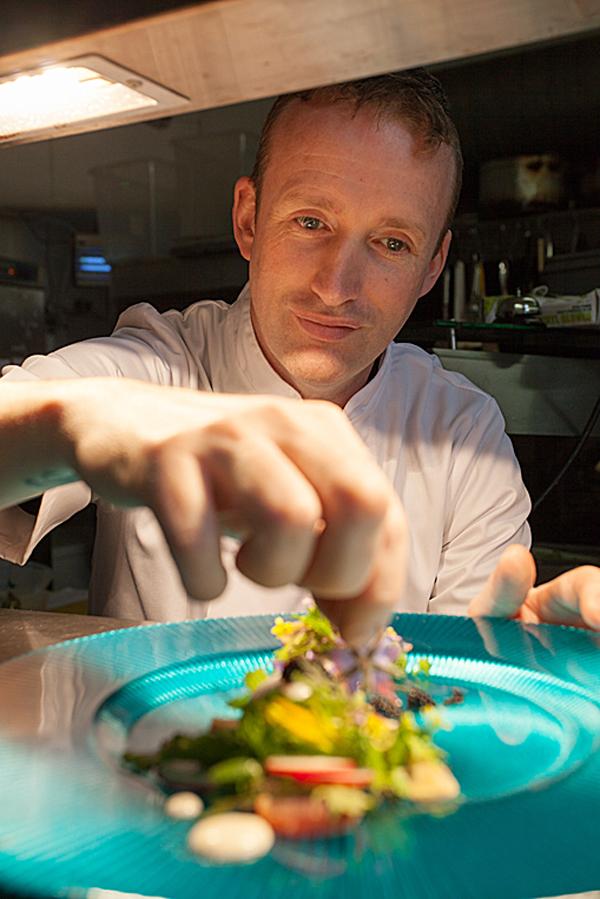
“People are drawn by the allure of the Atlantic Ocean, the imagery they’ve seen of the west coast and the Irish hospitality,” says Markey. “In recent years, Ireland has also become better known for its cuisine. Parts of the route are famous for their food offerings, such as dairy products in Cork, as well as meat products, seafood, breweries and distilleries. All in all it creates a gourmet destination, whether it’s fish and chips or fine dining.”
Double digit growth Irish tourism is now at a record high and enjoying double digit growth. In 2015, there were 8.6m overseas visitors, spending €4.2bn, which is 4 per cent of the GNP. This came on top of gains already made in 2014.
From January to September this year, visitors from the UK were up 13.2 per cent on 2015. In the same period, visitors from mainland Europe rose 10.6 per cent and visitors from North America by 15.4 per cent.
Another benefit of the Wild Atlantic Way is that it has brought different sectors of the tourism industry together. “It has allowed us to consolidate our marketing globally, which has been very powerful,” says Markey. “It has brought the Irish industry together to create marketing bundles, so hotels, restaurants and attractions are working together to cross promote and there has been a huge amount of consolidation as a result. We now all speak the same language with regards to our consumer segments and know what they’re looking for.”
More than 100 visitor experiences have been launched, in partnership with businesses. For example, this year a new visitor centre has opened adjacent to Fanad Head Lighthouse. At Derrigimlagh, Connemara, an interpreted looped walk has been developed on the site of the Marconi Wireless Station and Alcock & Brown Transatlantic Landing site.
There is still more work to be done and the main aims will be to continue to raise awareness of the Wild Atlantic Way, create a good regional spread of visitors and extend the shoulder season, as outside some of the tourist hubs the season can last as little as eight weeks. To counteract this, Fáilte Ireland is encouraging businesses to stay open longer and running a dedicated multimedia campaign to encourage autumn breaks.
Other areas of Ireland now look set to get a similar level of support. The coastal route in Northern Antrim, Northern Ireland, links to the Wild Atlantic Way and so the potential of this is set to be maximised. The Ancient East was recently launched, a similar concept for the opposite side of the country, though it’s not a driving route. It brings together the offerings on the east coast in a cohesive way.
“In Wild Atlantic Way, we created an iconic driving route. We’ve been overwhelmed by its success and we will build on that success,” Markey says.
Aims of the Wild Atlantic Way • Re-package the Atlantic seaboard as a destination to overseas and domestic visitors
• Increase visitor numbers, dwell time, spend and satisfaction
• Improve linkages and add value to a range of attractions and activities
• Improve interpretation, infrastructure and signage along and around the route
• Direct tourists to less-visited areas
• Assist businesses, agencies, local groups and other stakeholders along the area to work together
• Reinforce the particular strengths and characteristics of all of the areas located along the west coast, while offering the visitor one compelling reason to visit
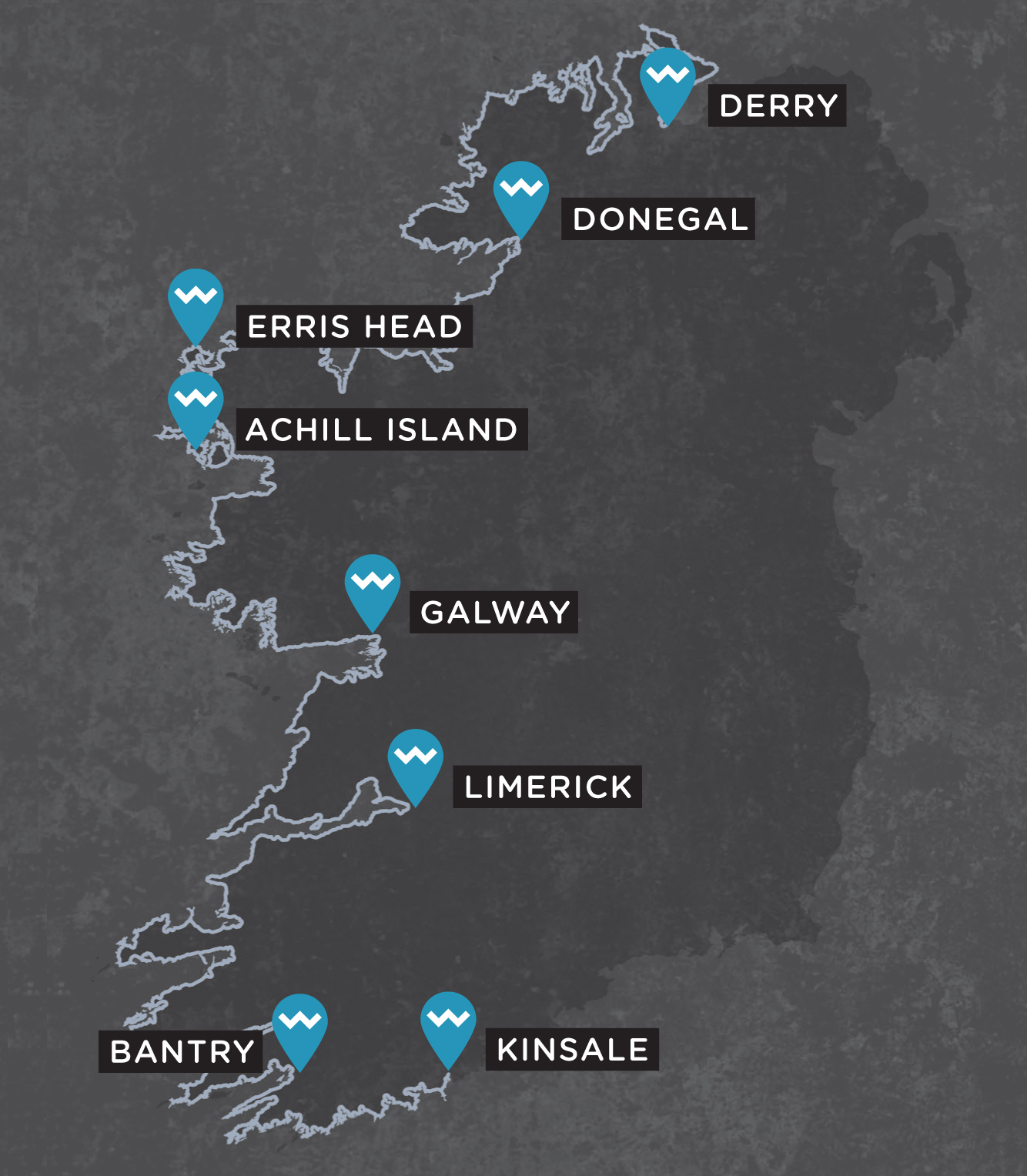
The six zones of the Wild Atlantic Way
1. Donegal The Northern Headlands: the journeys begins Untouched rugged and remote coastline
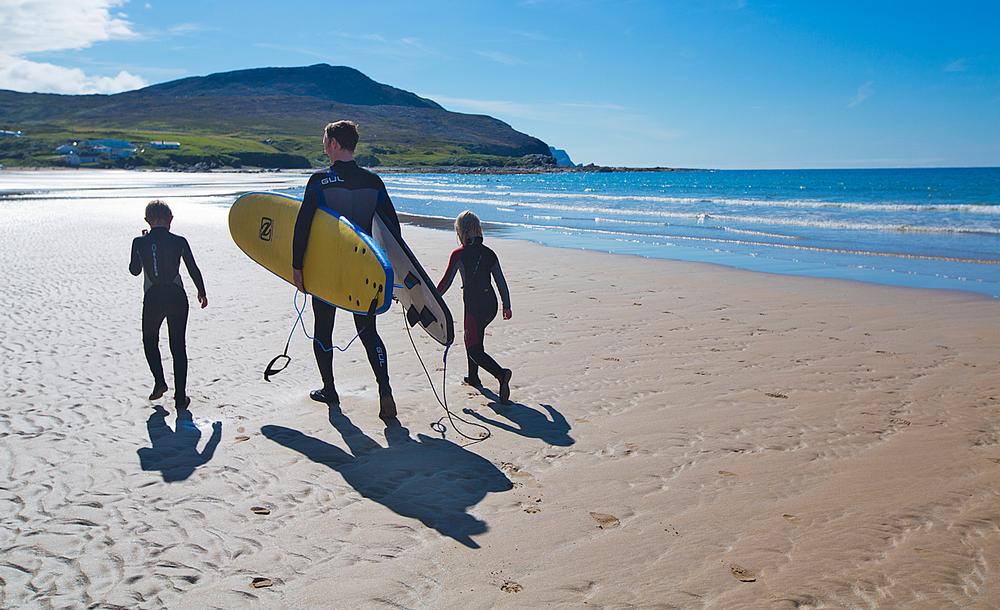
2. Donegal to Erris The Surf Coast: wind and waves out west Yeats countryside, this area is renowned for its surf spots, such as Mullaghmore and Enniscrone
3. Achill Island to Galway Bay The Bay Coast: an open air playground Beaches, Bluway trails and opportunities for activities like walking, kayaking, cycling, kite-surfing, paragliding, swimming and diving are plentiful here
4. Galway to the north Kerry coast The Cliff Coast: hard land, warm hearts Ice age landscapes, cliff walks and the Irish hospitality
5. Cork and Kerry coasts Southern Peninsulas: that edge of the world feel The next stop is Manhattan from this remote, most westerly point
6. Bantry to Kinsale The Haven Coast: nature sets the pace The southernmost stretch has Blue Flag beaches, whale watching trips, kayaking and beautiful gardens with sub-tropical plants
PHOTO: David Sciora, Big Smoke Studio
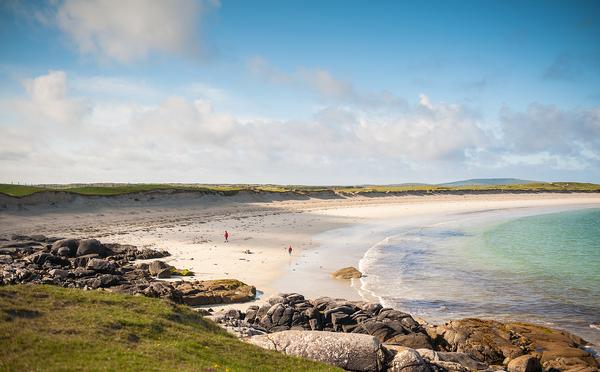
Dog’s Bay in County Galway
Wild Atlantic Way Highlights
• 2,500km route, from Inishowen in Donegal to Kinsale in West Cork
• 200 towns and villages
• 5 national parks
• 1 UNESCO world heritage site
• 188 discovery points
• 15 signature discovery points
• 1 gold-tier dark sky reserve for stargazing
Pollan Bay is near Malin Head, County Donegal, at the start of the Wild Atlantic Way and Ireland’s most northerly point / PHOTO: Fáilte Ireland
The Wild Atlantic Way follows the west Irish coastline; Vanessa Markey, left, head of Great Britain at Tourism Ireland / PHOTO: Lucasz Warzecha
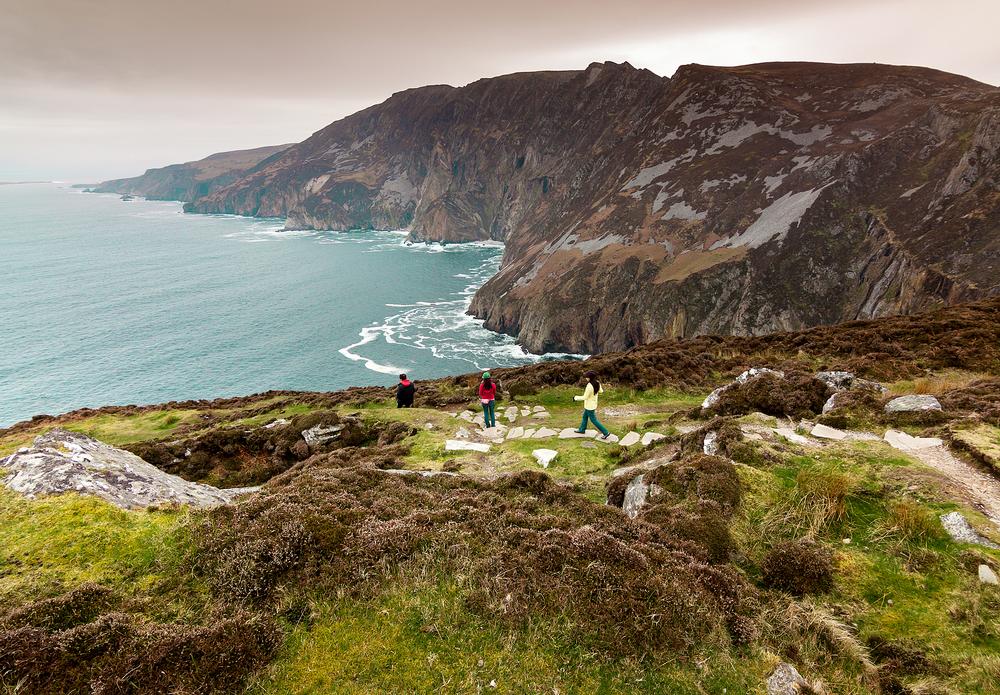
Tourists near Slieve League, a 601-metre mountain on the Atlantic coast of Donegal / PHOTO: Shutterstock / Pom Pom
The Northern Headlands, Donegal, which follow on from Northern Ireland’s Causeway Coastal Route / PHOTO: Fáilte Ireland
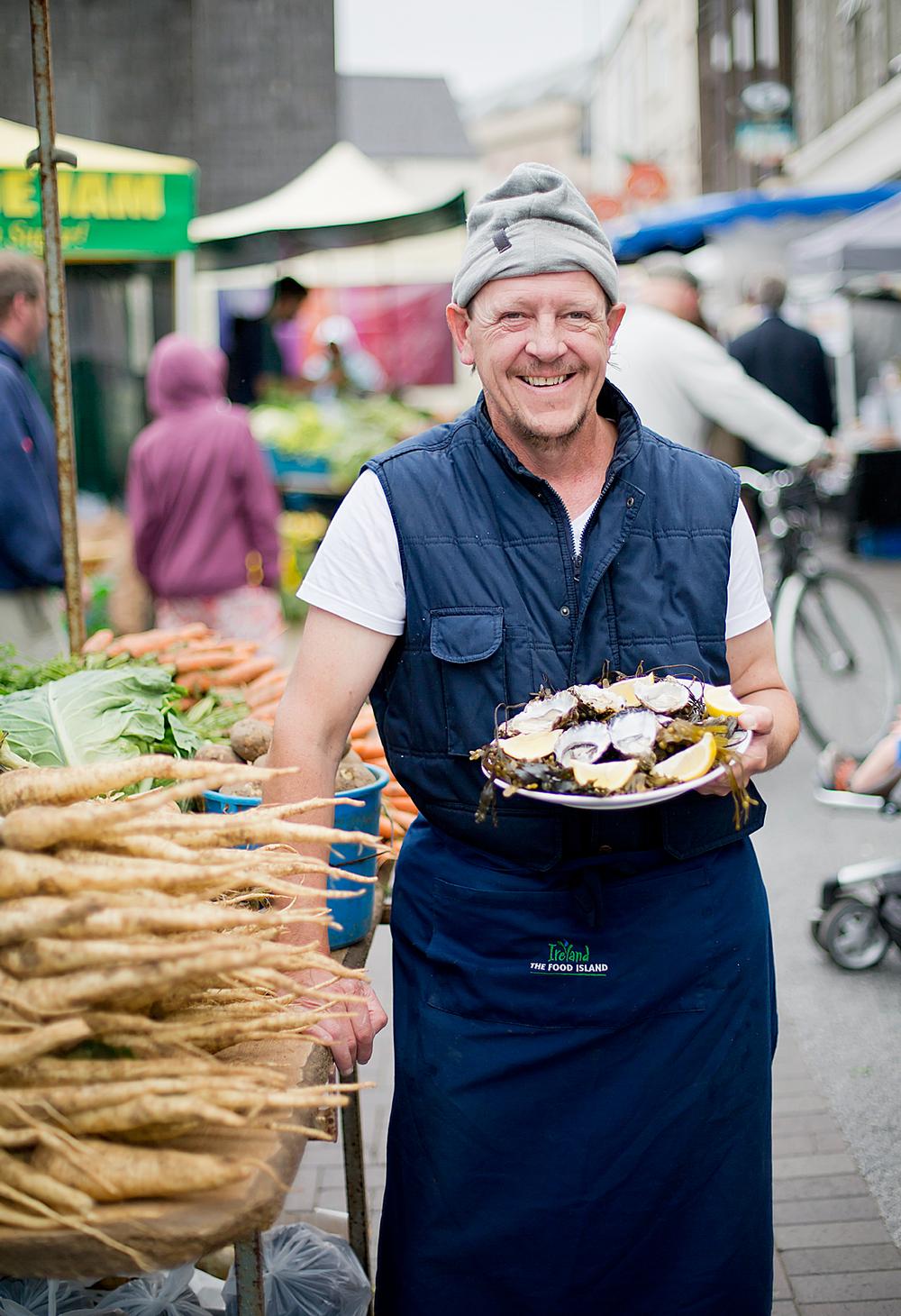
Parts of the Wild Atlantic Way are famous for their cuisine
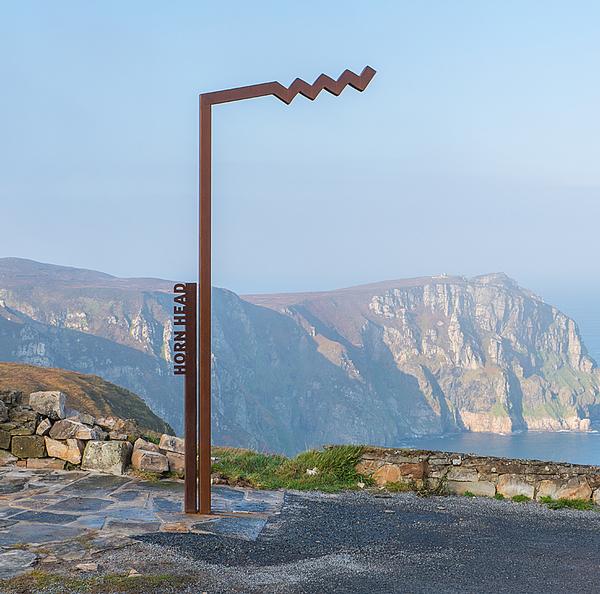
Horn Head, located near the village of Dunfanaghy in County Donegal, is home to thousands of guillemots, gulls and puffins
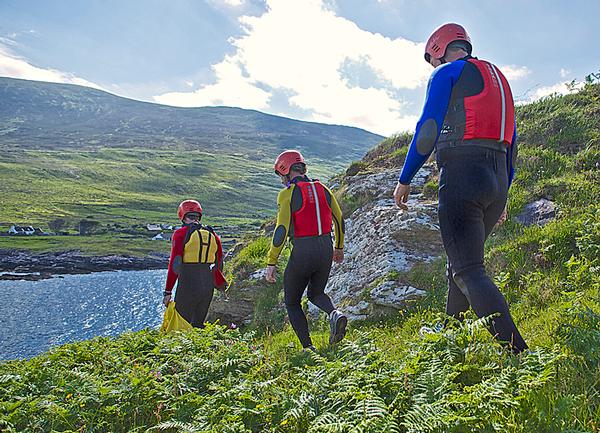
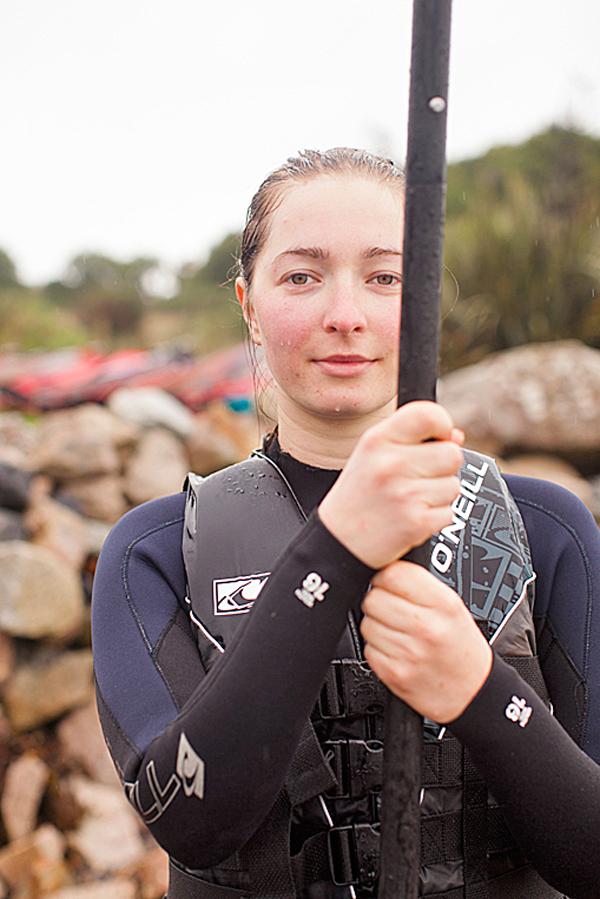
From kayaking in County Galway to foodie tours, stopping at Belleek Castle in County Mayo the Wild Atlantic Way has much to offer
From kayaking in County Galway to foodie tours, stopping at Belleek Castle in County Mayo the Wild Atlantic Way has much to offer
From kayaking in County Galway to foodie tours, stopping at Belleek Castle in County Mayo the Wild Atlantic Way has much to offer
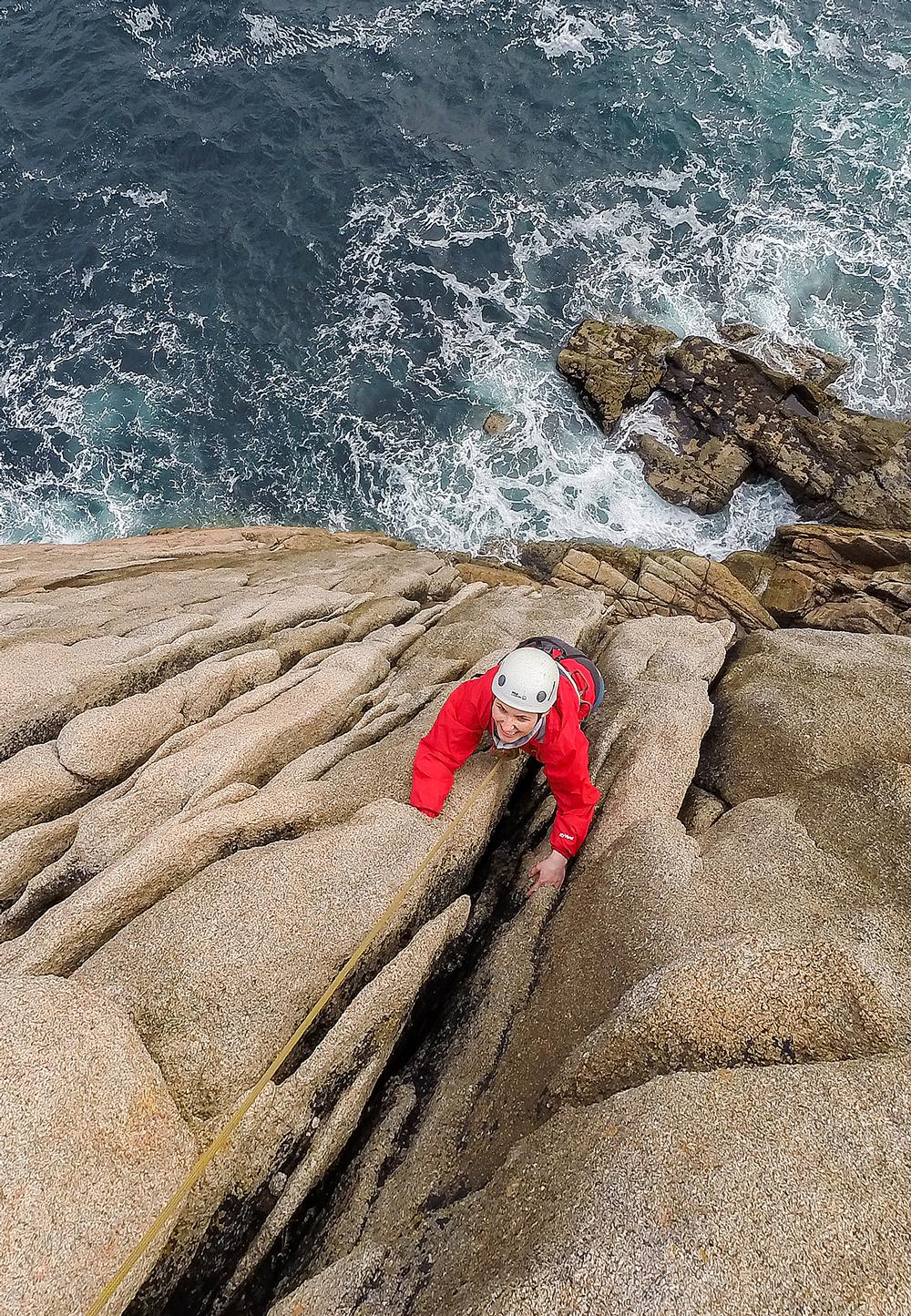
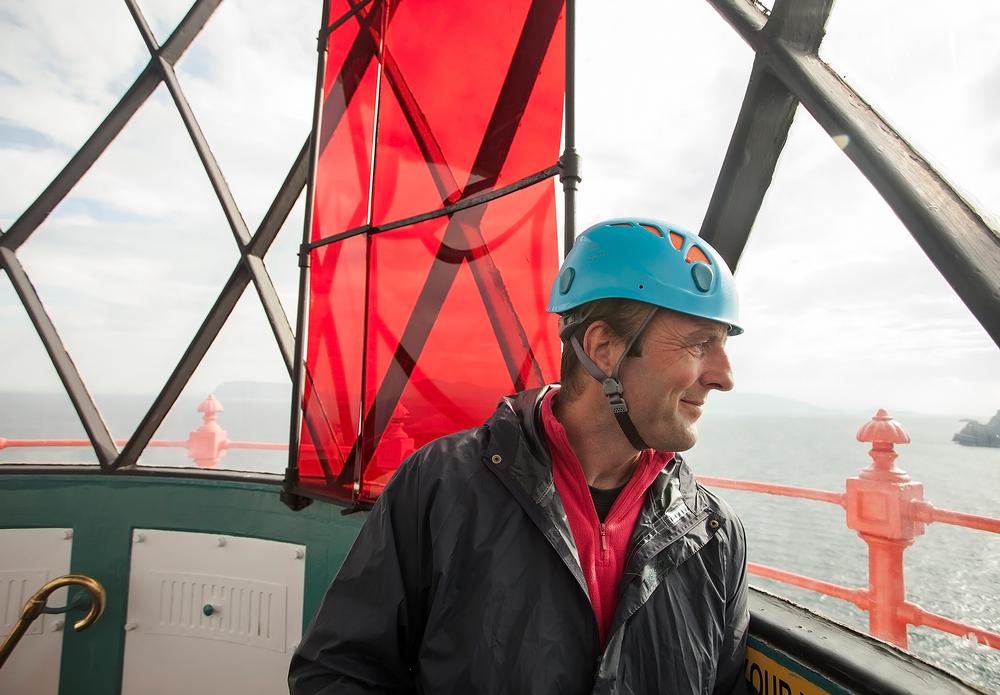
Iain Miller, owner of a local activities company called Unique Ascent, prepares to abseil at Fanad Lighthouse, Donegal
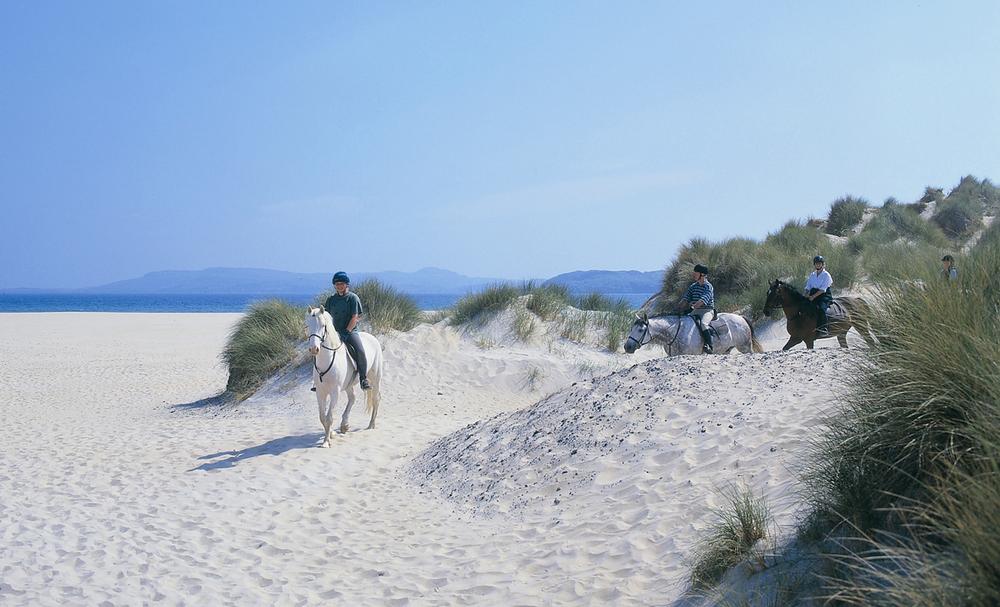
Horseriding on the Wild Atlantic Way route in Donegal / PHOTO: Fáilte Ireland
COMPANY PROFILES
Alterface
Alterface’s Creative Division team is
seasoned in concept and ride development,
as well as storyte [more...]
DJW
David & Lynn Willrich started the Company
over thirty years ago, from the Audio Visual
Department [more...]
IAAPA EMEA
IAAPA Expo Europe was established in 2006 and has grown to the largest international conference and [more...]
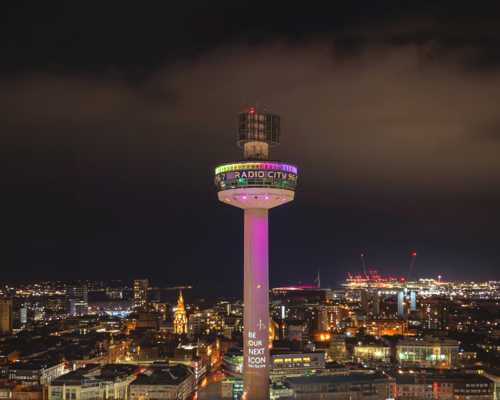
An opportunity to reimagine one of the UK’s most recognisable towers has been formally
opened by Rivington Hark, as St Johns Beacon invites operators and partners to shape its
next phase. [more...]
Irish tourism is growing, with a 12 per cent increase
in overseas visitors during the first nine months of 2016.
Kath Hudson explores the latest tourism initiative
By Kath Hudson | Published in Leisure Management 2016 issue 1
The Wild Atlantic Way is a 2,500km coastal route in western Ireland / PHOTO: Christian McLeod
When Star Wars: The Force Awakens hit cinema screens at the end of 2015, it gave Ireland the last word. Luke Skywalker’s vignette appearance, in the enigmatic scenery of Skellig Michael, was the final impression viewers were left with from the film. So when they started thinking about their spring getaways, Ireland was uppermost in their minds. And bingo, it was a bumper Easter for Irish tourism!
Starring in a blockbuster has clearly helped, but the success is not all down to Disney, who owns the Star Wars franchise. Fáilte Ireland and Tourism Ireland have worked very hard over the past few years to rejuvenate visitor figures, which started to lag from key markets – such as the UK – in 2008.
One of the main initiatives has been the creation of the Wild Atlantic Way, which launched in spring 2014. This iconic 2,500km coastal route runs from the northernmost point of southern Ireland – Malin Head – to Cork at the very bottom. After a €12m investment in signage and infrastructure, there is now a sense of wayfinding and a joined-up experience all the way along the coast. There are 188 discovery points with photo spots and interpretation story panels to encourage visitors to stop off and explore the area.
Iconic Coastal Scenery The Wild Atlantic Way is divided into six areas, each with its own distinctive character . The route can be marketed as a whole or in separate parts. The intention is to influence people not to drive, walk or cycle the whole way in one go, but to explore areas in depth and return later to experience another part. To encourage this, a Wild Atlantic Way passport was developed, which can be picked up at any Post Office, providing a memento of the visit and encouraging repeat visits to other parts of the route.
“The Wild Atlantic Way creates one package with a number of discovery points along the route and allows people to select different elements,” says Vanessa Markey, head of Great Britain at Tourism Ireland. “It’s a spectacular and culturally rich route with iconic coastal scenery.”
Although the main goal of the Wild Atlantic Way is to increase visits, dwell time, spend and satisfaction along the whole route, Fáilte Ireland was also keen to push tourism in some of the less popular areas. Traditionally, Cork and the south west, which has good access from the UK, have been the most popular destinations. The marketing partners have been eager to give visitors compelling reasons to go to some of the less obvious locations, such as the north.
Prior to launching the route, a lot of work was put into consumer profiling. “This allowed us to segment the market and appeal to people based on passion points as opposed to demographic,” says Markey. “Appealing to their motivations is working really well.”
Social energisers Three main markets were identified. The culturally curious, who are drawn by the culture, history and heritage. The great escapers who come for longer, touring breaks and enjoy activities such as kayaking or walking. Social energisers are younger, coming for the weekend via one of the four regional airports.
Markey says dwell time also varies by market and segment. Longer haul markets, such as those from the US and Australia, will stay for 10 days to two weeks. European consumers are more likely to come for about a week, whereas British visitors frequently come for a long weekend.
“People are drawn by the allure of the Atlantic Ocean, the imagery they’ve seen of the west coast and the Irish hospitality,” says Markey. “In recent years, Ireland has also become better known for its cuisine. Parts of the route are famous for their food offerings, such as dairy products in Cork, as well as meat products, seafood, breweries and distilleries. All in all it creates a gourmet destination, whether it’s fish and chips or fine dining.”
Double digit growth Irish tourism is now at a record high and enjoying double digit growth. In 2015, there were 8.6m overseas visitors, spending €4.2bn, which is 4 per cent of the GNP. This came on top of gains already made in 2014.
From January to September this year, visitors from the UK were up 13.2 per cent on 2015. In the same period, visitors from mainland Europe rose 10.6 per cent and visitors from North America by 15.4 per cent.
Another benefit of the Wild Atlantic Way is that it has brought different sectors of the tourism industry together. “It has allowed us to consolidate our marketing globally, which has been very powerful,” says Markey. “It has brought the Irish industry together to create marketing bundles, so hotels, restaurants and attractions are working together to cross promote and there has been a huge amount of consolidation as a result. We now all speak the same language with regards to our consumer segments and know what they’re looking for.”
More than 100 visitor experiences have been launched, in partnership with businesses. For example, this year a new visitor centre has opened adjacent to Fanad Head Lighthouse. At Derrigimlagh, Connemara, an interpreted looped walk has been developed on the site of the Marconi Wireless Station and Alcock & Brown Transatlantic Landing site.
There is still more work to be done and the main aims will be to continue to raise awareness of the Wild Atlantic Way, create a good regional spread of visitors and extend the shoulder season, as outside some of the tourist hubs the season can last as little as eight weeks. To counteract this, Fáilte Ireland is encouraging businesses to stay open longer and running a dedicated multimedia campaign to encourage autumn breaks.
Other areas of Ireland now look set to get a similar level of support. The coastal route in Northern Antrim, Northern Ireland, links to the Wild Atlantic Way and so the potential of this is set to be maximised. The Ancient East was recently launched, a similar concept for the opposite side of the country, though it’s not a driving route. It brings together the offerings on the east coast in a cohesive way.
“In Wild Atlantic Way, we created an iconic driving route. We’ve been overwhelmed by its success and we will build on that success,” Markey says.
Aims of the Wild Atlantic Way • Re-package the Atlantic seaboard as a destination to overseas and domestic visitors
• Increase visitor numbers, dwell time, spend and satisfaction
• Improve linkages and add value to a range of attractions and activities
• Improve interpretation, infrastructure and signage along and around the route
• Direct tourists to less-visited areas
• Assist businesses, agencies, local groups and other stakeholders along the area to work together
• Reinforce the particular strengths and characteristics of all of the areas located along the west coast, while offering the visitor one compelling reason to visit
The six zones of the Wild Atlantic Way
1. Donegal The Northern Headlands: the journeys begins Untouched rugged and remote coastline
2. Donegal to Erris The Surf Coast: wind and waves out west Yeats countryside, this area is renowned for its surf spots, such as Mullaghmore and Enniscrone
3. Achill Island to Galway Bay The Bay Coast: an open air playground Beaches, Bluway trails and opportunities for activities like walking, kayaking, cycling, kite-surfing, paragliding, swimming and diving are plentiful here
4. Galway to the north Kerry coast The Cliff Coast: hard land, warm hearts Ice age landscapes, cliff walks and the Irish hospitality
5. Cork and Kerry coasts Southern Peninsulas: that edge of the world feel The next stop is Manhattan from this remote, most westerly point
6. Bantry to Kinsale The Haven Coast: nature sets the pace The southernmost stretch has Blue Flag beaches, whale watching trips, kayaking and beautiful gardens with sub-tropical plants
PHOTO: David Sciora, Big Smoke Studio
Dog’s Bay in County Galway
Wild Atlantic Way Highlights
• 2,500km route, from Inishowen in Donegal to Kinsale in West Cork
• 200 towns and villages
• 5 national parks
• 1 UNESCO world heritage site
• 188 discovery points
• 15 signature discovery points
• 1 gold-tier dark sky reserve for stargazing
Pollan Bay is near Malin Head, County Donegal, at the start of the Wild Atlantic Way and Ireland’s most northerly point / PHOTO: Fáilte Ireland
The Wild Atlantic Way follows the west Irish coastline; Vanessa Markey, left, head of Great Britain at Tourism Ireland / PHOTO: Lucasz Warzecha
Tourists near Slieve League, a 601-metre mountain on the Atlantic coast of Donegal / PHOTO: Shutterstock / Pom Pom
The Northern Headlands, Donegal, which follow on from Northern Ireland’s Causeway Coastal Route / PHOTO: Fáilte Ireland
Parts of the Wild Atlantic Way are famous for their cuisine
Horn Head, located near the village of Dunfanaghy in County Donegal, is home to thousands of guillemots, gulls and puffins
From kayaking in County Galway to foodie tours, stopping at Belleek Castle in County Mayo the Wild Atlantic Way has much to offer
From kayaking in County Galway to foodie tours, stopping at Belleek Castle in County Mayo the Wild Atlantic Way has much to offer
From kayaking in County Galway to foodie tours, stopping at Belleek Castle in County Mayo the Wild Atlantic Way has much to offer
Iain Miller, owner of a local activities company called Unique Ascent, prepares to abseil at Fanad Lighthouse, Donegal
Horseriding on the Wild Atlantic Way route in Donegal / PHOTO: Fáilte Ireland
A new immersive attraction designed to transport visitors into the final hours of ancient Pompeii
is preparing to open near the world-famous archaeological site in southern Italy.
Experience design company, BRC Imagination Arts, has completed a transition that sees founder
Bob Rogers pass ownership of the business to four long-serving senior executives, while
remaining actively involved with the company.
Movie Park Germany has opened a new Paramount Pictures-themed attraction as part of its 30th
anniversary celebrations, using immersive storytelling and adaptive reuse to reinforce the park’s
longstanding “Hollywood in Germany” positioning.
Therme Manchester’s 28-acre development, which will include interconnected glass pavilions
that measure 65,000sq m, will be the largest bathing and wellbeing attraction in the world once
complete, according to prof David Russell, CEO of Therme UK.
Efteling has opened Hooghmoed, a new family drop tower designed to broaden the appeal of its
recently launched Sirene Island themed area and introduce younger visitors to thrill attractions.
A proposed Puy du Fou development near Bicester and Universal Destinations and Experiences’
planned resort in Bedford are emerging as part of a wider transformation of the Oxford–
Cambridge Growth Corridor into a major centre for UK leisure and tourism inv
Shedd Aquarium has opened the Immersion Theater developed in partnership with SimEx-
Iwerks, as part of a wider strategy to enhance the guest experience and create additional
revenue opportunities.
The UK government has announced a temporary reduction in VAT on visitor attractions and
children’s meals as part of a summer cost-of-living support package designed to stimulate the
visitor economy and encourage family days out.
As designer Yinka Ilori prepares for his first solo gallery show in London, he speaks exclusively
to CLADmag about his mission to spread joy, the power of play, and his bold approach to using
colour (including the colours you won’t see in his work).
The government of Thailand is exploring plans for a THB300bn (£6.3bn, US$8.3bn)
entertainment complex in the country’s Eastern Economic Corridor (EEC), with officials
proposing a large-scale theme park and sports destination as part of a broader tourism and
economic development strategy.
An opportunity to reimagine one of the UK’s most recognisable towers has been formally
opened by Rivington Hark, as St Johns Beacon invites operators and partners to shape its
next phase. [more...]