The digital sales revolution has been driven by a new form of commerce – the online marketplace, which has been embraced in other sectors by the likes of Zoopla, Just Eat and AirBnB. PayAsUGym is the equivalent for the health & fitness sector and places operators at the heart of this new way of selling, helping them to reach more customers than has ever before been possible. Co-founder Neil Harmsworth explains how PayAsUGym’s new ‘Partner Portal’ enables operators to utilise marketplace data and insight to make the smarter decisions required to excel in a competitive marketplace
PayAsUGym is described as a fitness marketplace rather than an aggregator, how would you explain the difference? An aggregator simply lists the supply-side options, leaving the customer the arduous process of searching for the best option. This is a pretty dated approach in other sectors but is still by far the most widely adopted option in health and fitness.
A marketplace is much smarter as it goes a step further by providing two things. Firstly, it proactively helps customers find the right supply more quickly by presenting them with the options which sell the best to people like them. Secondly, it gives operators access to unique, transactional marketplace data to help them make smarter decisions that will improve their proposition and increase their sales, making them more competitive. This approach ensures customers and suppliers find each other as frequently as possible rather than relying on geography or alphabetic listings, with everyone benefiting as a result.
How have you adapted PayAsUGym to make it a more effective marketplace? On the customer side, we have introduced an algorithm-based ‘smart’ search which is based on a rolling 14-day period of trading data. This means that club listings on our site are displayed based on the ability of each venue to make a sale and are a true reflection of current customer demand in that area at all times.
On the operator side of the model, we give access to marketplace data to help them make informed decisions that make their business more competitive.
For example, the data may say that, on average, these are the right products and prices to offer in your area; these are the sorts of photos you should be displaying; and here’s how you improve based on customer feedback.
All of these things have an influence on how you perform within these search results. It’s obviously up to the operator to ultimately decide how they use this unique data, but those that engage the most will see the greatest rewards in terms of new customers and revenue.
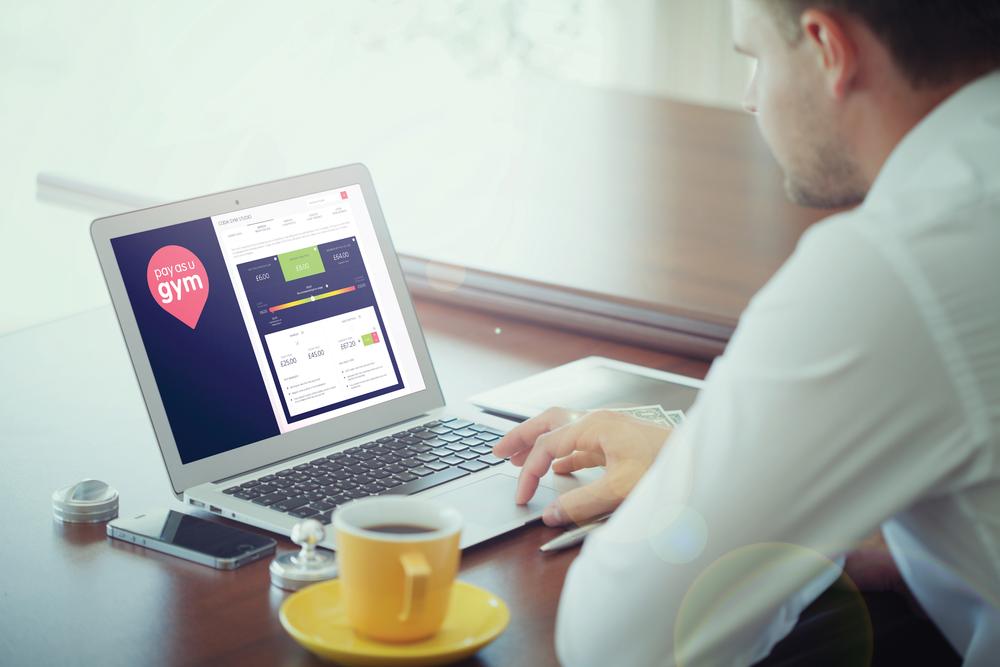
What tools have you introduced to help operators? We’ve created the Partner Portal – an information hub that gives operators the benefit of all the insight that we gain as a marketplace. For example, we can see price points, customer search traffic, demand, feedback – we can see the things that make a sale more likely – and our job as a marketplace is to share that effectively with operators, so the Partner Portal is where we do that. Operators can analyse the actual sales they have made historically, but also the sales that they’ve missed out on to local rivals by not being as competitive as you could be in your local area. It also gives you an idea of the things you might want to consider as a change that, on average, would improve your ability to convert an interested new customer into a paying customer.
What’s the response been like from operators so far to the Partner Portal? Massively positive. We did a two-week roadshow meeting many of the operators we work with and some of their ideas have been added to the development of the Partner Portal.
For example, the changes that they make in the marketplace are displayed in a reporting tab so that managers can analyse the changes they have made and the impact these changes had on sales. That gives them a really good audit trail of whether the change they made was positive or negative to their performance.
What are your ongoing plans for the Partner Portal? We’re going to keep calibrating it to understand the factors that customers care about most by region. For example, in London it could be proximity to a Tube station but in Norfolk it could be access to car parking on site. Our current data shows averages across the industry going down to post code level, but it doesn’t really say what are the specific things in this particular area that make the difference. I’d like to get it to the point where we can provide much more customised information on a venue by venue basis.
What’s the vision for PayAsUGym over the next 12 months? With the Partner Portal now live we’re confident that the marketplace truly works for all parties and the model is extremely scalable internationally. We’re pushing ahead with geographic expansion and have plans in place for two new countries very soon, so watch this space!
PayAsUGym is an online fitness marketplace, which helps customers find the right fi tness venues for their needs and gives operators the information they require in order to be found more frequently
An opportunity to reimagine one of the UK’s most recognisable towers has been formally
opened by Rivington Hark, as St Johns Beacon invites operators and partners to shape its
next phase. [more...]
The digital sales revolution has been driven by a new form of commerce – the online marketplace, which has been embraced in other sectors by the likes of Zoopla, Just Eat and AirBnB. PayAsUGym is the equivalent for the health & fitness sector and places operators at the heart of this new way of selling, helping them to reach more customers than has ever before been possible. Co-founder Neil Harmsworth explains how PayAsUGym’s new ‘Partner Portal’ enables operators to utilise marketplace data and insight to make the smarter decisions required to excel in a competitive marketplace
PayAsUGym is described as a fitness marketplace rather than an aggregator, how would you explain the difference? An aggregator simply lists the supply-side options, leaving the customer the arduous process of searching for the best option. This is a pretty dated approach in other sectors but is still by far the most widely adopted option in health and fitness.
A marketplace is much smarter as it goes a step further by providing two things. Firstly, it proactively helps customers find the right supply more quickly by presenting them with the options which sell the best to people like them. Secondly, it gives operators access to unique, transactional marketplace data to help them make smarter decisions that will improve their proposition and increase their sales, making them more competitive. This approach ensures customers and suppliers find each other as frequently as possible rather than relying on geography or alphabetic listings, with everyone benefiting as a result.
How have you adapted PayAsUGym to make it a more effective marketplace? On the customer side, we have introduced an algorithm-based ‘smart’ search which is based on a rolling 14-day period of trading data. This means that club listings on our site are displayed based on the ability of each venue to make a sale and are a true reflection of current customer demand in that area at all times.
On the operator side of the model, we give access to marketplace data to help them make informed decisions that make their business more competitive.
For example, the data may say that, on average, these are the right products and prices to offer in your area; these are the sorts of photos you should be displaying; and here’s how you improve based on customer feedback.
All of these things have an influence on how you perform within these search results. It’s obviously up to the operator to ultimately decide how they use this unique data, but those that engage the most will see the greatest rewards in terms of new customers and revenue.
What tools have you introduced to help operators? We’ve created the Partner Portal – an information hub that gives operators the benefit of all the insight that we gain as a marketplace. For example, we can see price points, customer search traffic, demand, feedback – we can see the things that make a sale more likely – and our job as a marketplace is to share that effectively with operators, so the Partner Portal is where we do that. Operators can analyse the actual sales they have made historically, but also the sales that they’ve missed out on to local rivals by not being as competitive as you could be in your local area. It also gives you an idea of the things you might want to consider as a change that, on average, would improve your ability to convert an interested new customer into a paying customer.
What’s the response been like from operators so far to the Partner Portal? Massively positive. We did a two-week roadshow meeting many of the operators we work with and some of their ideas have been added to the development of the Partner Portal.
For example, the changes that they make in the marketplace are displayed in a reporting tab so that managers can analyse the changes they have made and the impact these changes had on sales. That gives them a really good audit trail of whether the change they made was positive or negative to their performance.
What are your ongoing plans for the Partner Portal? We’re going to keep calibrating it to understand the factors that customers care about most by region. For example, in London it could be proximity to a Tube station but in Norfolk it could be access to car parking on site. Our current data shows averages across the industry going down to post code level, but it doesn’t really say what are the specific things in this particular area that make the difference. I’d like to get it to the point where we can provide much more customised information on a venue by venue basis.
What’s the vision for PayAsUGym over the next 12 months? With the Partner Portal now live we’re confident that the marketplace truly works for all parties and the model is extremely scalable internationally. We’re pushing ahead with geographic expansion and have plans in place for two new countries very soon, so watch this space!
PayAsUGym is an online fitness marketplace, which helps customers find the right fi tness venues for their needs and gives operators the information they require in order to be found more frequently
Hotel de France, located on the British Isle of Jersey, has created a wellness retreat package
that includes a hot yoga session that will take place in Jersey Zoo’s butterfly sanctuary.
A new immersive attraction designed to transport visitors into the final hours of ancient Pompeii
is preparing to open near the world-famous archaeological site in southern Italy.
Experience design company, BRC Imagination Arts, has completed a transition that sees founder
Bob Rogers pass ownership of the business to four long-serving senior executives, while
remaining actively involved with the company.
Movie Park Germany has opened a new Paramount Pictures-themed attraction as part of its 30th
anniversary celebrations, using immersive storytelling and adaptive reuse to reinforce the park’s
longstanding “Hollywood in Germany” positioning.
Therme Manchester’s 28-acre development, which will include interconnected glass pavilions
that measure 65,000sq m, will be the largest bathing and wellbeing attraction in the world once
complete, according to prof David Russell, CEO of Therme UK.
Efteling has opened Hooghmoed, a new family drop tower designed to broaden the appeal of its
recently launched Sirene Island themed area and introduce younger visitors to thrill attractions.
A proposed Puy du Fou development near Bicester and Universal Destinations and Experiences’
planned resort in Bedford are emerging as part of a wider transformation of the Oxford–
Cambridge Growth Corridor into a major centre for UK leisure and tourism inv
Shedd Aquarium has opened the Immersion Theater developed in partnership with SimEx-
Iwerks, as part of a wider strategy to enhance the guest experience and create additional
revenue opportunities.
The UK government has announced a temporary reduction in VAT on visitor attractions and
children’s meals as part of a summer cost-of-living support package designed to stimulate the
visitor economy and encourage family days out.
As designer Yinka Ilori prepares for his first solo gallery show in London, he speaks exclusively
to CLADmag about his mission to spread joy, the power of play, and his bold approach to using
colour (including the colours you won’t see in his work).
The government of Thailand is exploring plans for a THB300bn (£6.3bn, US$8.3bn)
entertainment complex in the country’s Eastern Economic Corridor (EEC), with officials
proposing a large-scale theme park and sports destination as part of a broader tourism and
economic development strategy.
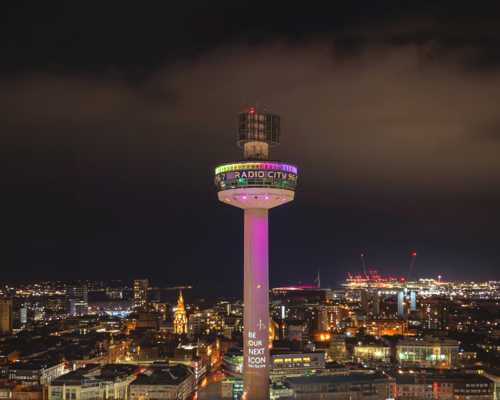
An opportunity to reimagine one of the UK’s most recognisable towers has been formally
opened by Rivington Hark, as St Johns Beacon invites operators and partners to shape its
next phase. [more...]