Snøhetta’s founding partner talks about the expansion of SFMOMA, the September 11 Memorial Pavilion in New York and the importance of blurring professional borders. Rhianon Howells reports
By Rhianon Howells | Published in CLADmag 2015 issue 2
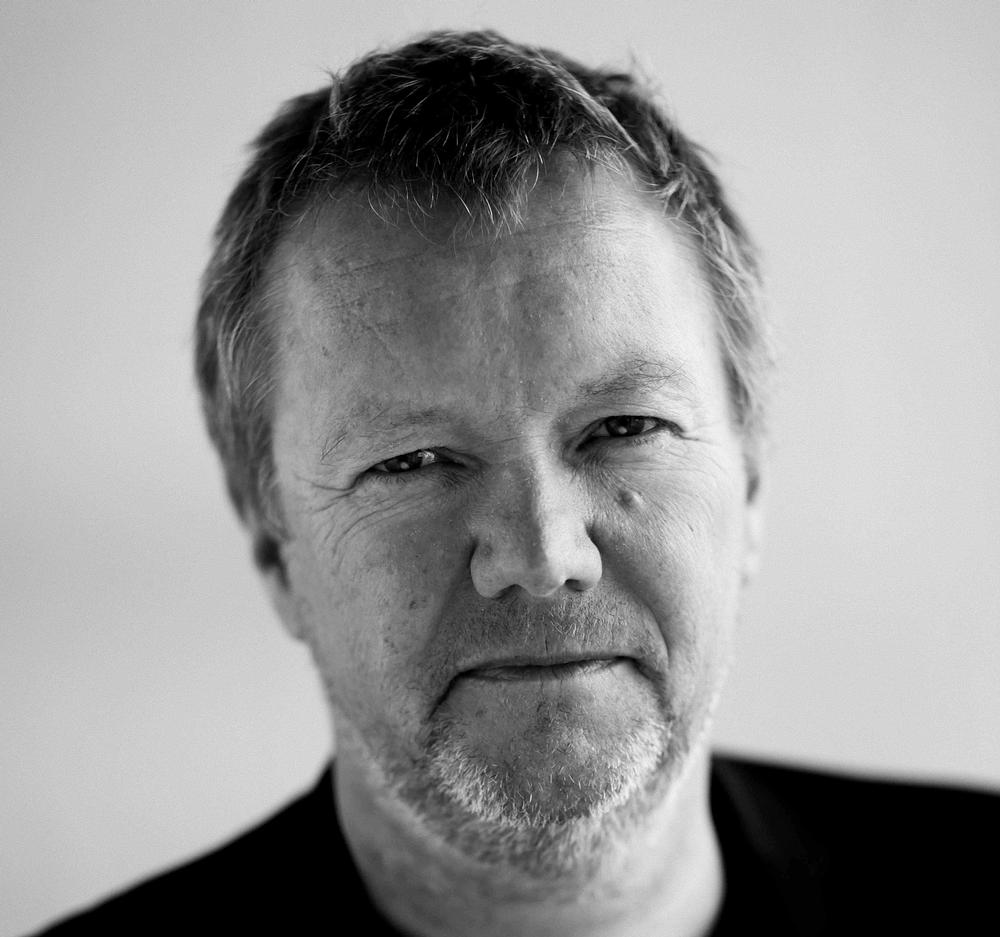
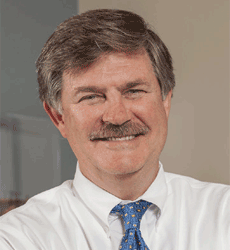
Kjetil Trædal Thorsen trained at the University of Technology in Graz, Austria. He is a founding partner of Snøhetta and is based in the practice's Oslo office
Given Norway’s rich tradition of folklore, the story of the naming of Snøhetta – the Oslo-based integrated design practice, embracing architecture, landscape architecture, interior design and brand design – has a pleasing ring of mythology about it, despite being entirely true.
In 1987, a number of young architects and landscape architects set themselves up in an attic studio above a popular Oslo beer hall called Dovrehallen, meaning Hall of the Dove. Dovre is a mountainous region of central Norway, so it followed that the collective should name themselves after its highest peak: Snøhetta. Two years later, one of the group’s members, Kjetil Trædal Thorsen, together with fellow architect Craig Dykers, founded the shareholding company Snøhetta Architecture and Landscape AS.
As well as being a pun on the studio’s location, the name reflected its core philosophy. A mountain, according to Thorsen, is both an object and a landscape, and therefore a perfect representation of the firm’s commitment to integrating architecture and landscape architecture in a single design process.
The founding of Snøhetta also marked the beginning of Thorsen’s professional ascent. After a childhood spent in Norway, Germany and England, he had studied architecture at the University of Technology in Graz, Austria, before moving to Oslo in 1985 to work as a freelance. Two years later, Snøhetta was born, and just two years after that, the firm won its first big commission: the Alexandria Library. With two main studios in Oslo and New York, the practice now employs more than 160 people from 28 different countries.
Why did you become an architect? My art O-level teacher at the secondary school I attended in England recommended I become an architect. I was interested in drawing, in art and in the sequence of producing things, whatever they might be: models, painting, sculptures or scratchboards. I had a general interest in creating things, which led me to believe my teacher was right.
What were your aims when you set up Snøhetta? We had seen the need for collaboration between different professions dealing with our physical surroundings, such as urbanism, public art, landscape architecture and interior design. We were interested in trying to co-locate these disciplines in a profession-free environment where there could be broader collaboration – especially, in the beginning, between landscape architecture and architecture.
The idea was that the borders between the professions would start to get a little more blurred, and one would influence the other. Landscape architecture would no longer just be the leftovers of whatever the architect did – the spaces between the buildings, filled with whatever was left of the budget. We started to look at more integrated ways of practising all the design disciplines related to our physical environment.
Is that something that is now more commonplace? Yes, absolutely. Since 1987, the search for more transprofessional ways of working and closer collaboration between different professions has started to become more and more normal in everyday practice.
How does it work in practice? It’s a workshop-based process. We invite people from a range of professions from both within and outside Snøhetta, and sometimes from the client side as well. Then when you start doing the creative work, you leave your profession behind. It’s like a kind of role-play, where you swap roles... The process releases you from your basic responsibilities.
We call it transpositioning here, when the landscape architect becomes the architect, the architect becomes the artist, the artist becomes the sociologist, the sociologist the philosopher... For instance, when we were working on the Norwegian National Opera and Ballet, it was the guy writing librettos who more or less defined the movement of the public on their way to the opera house as part of a non-processional movement, which would on one hand be individually experienced and on the other hand collectively.
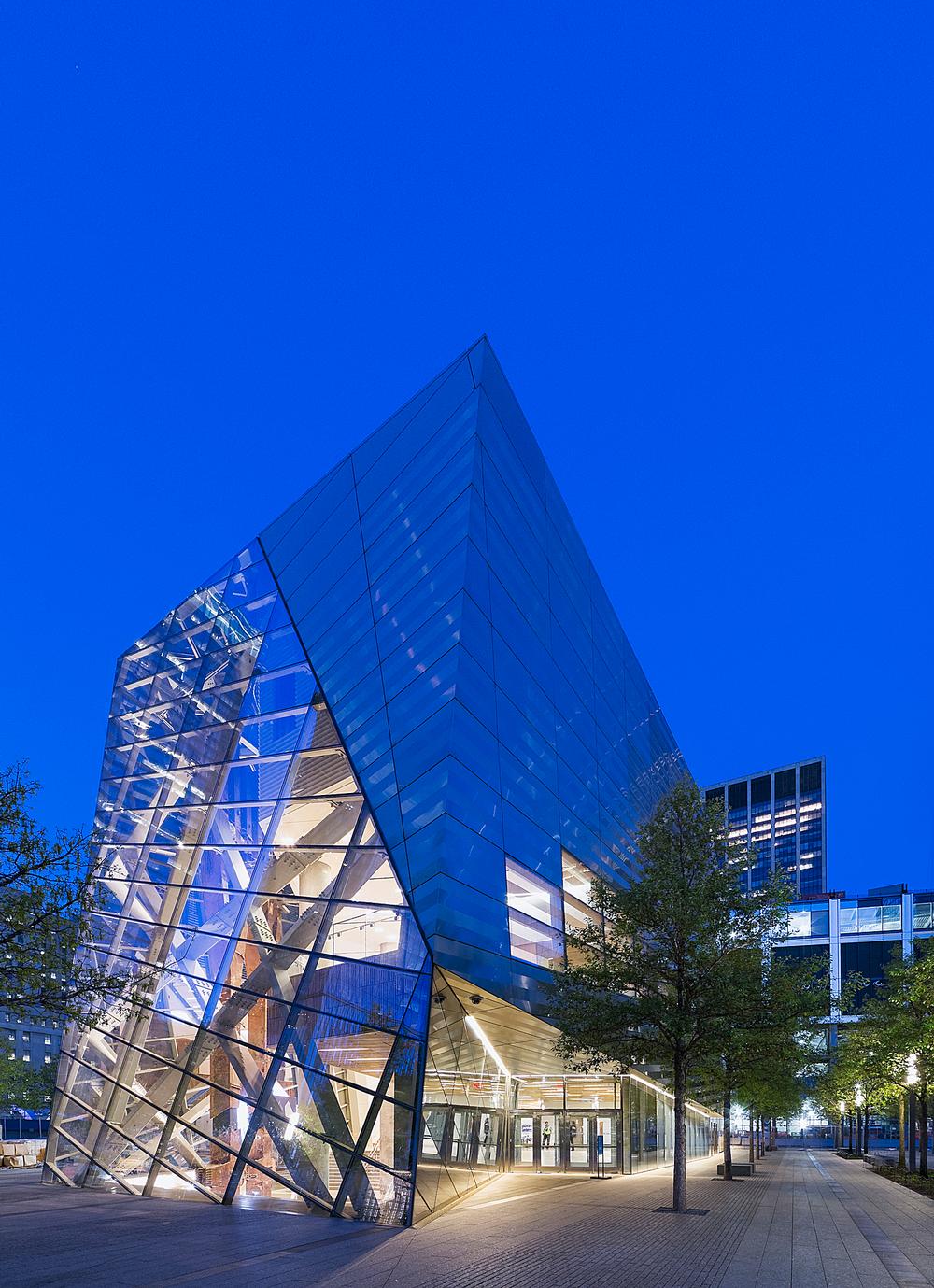
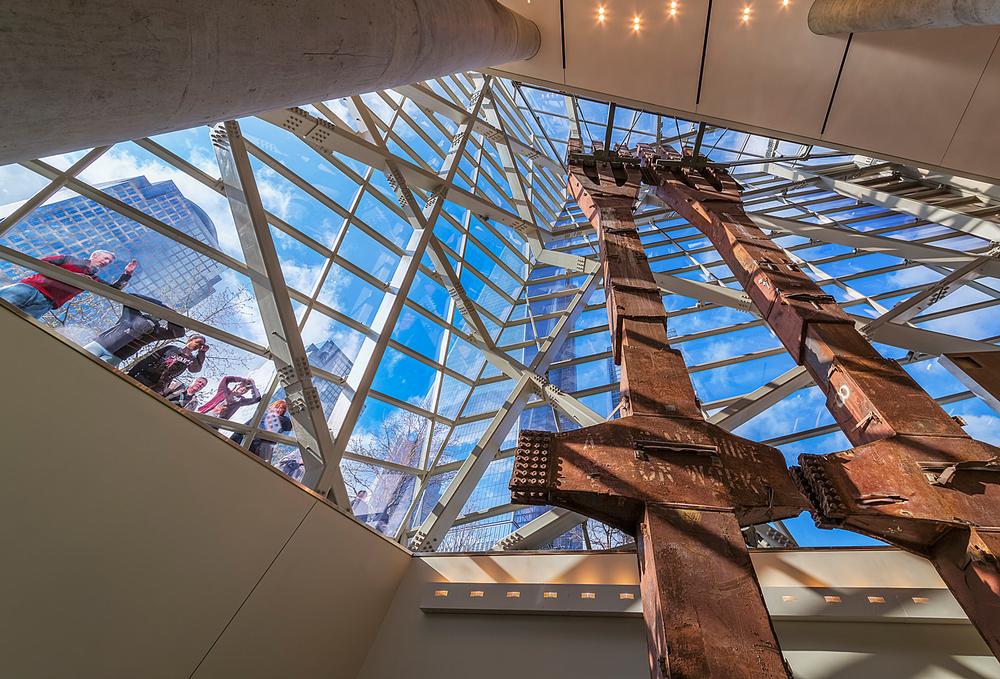
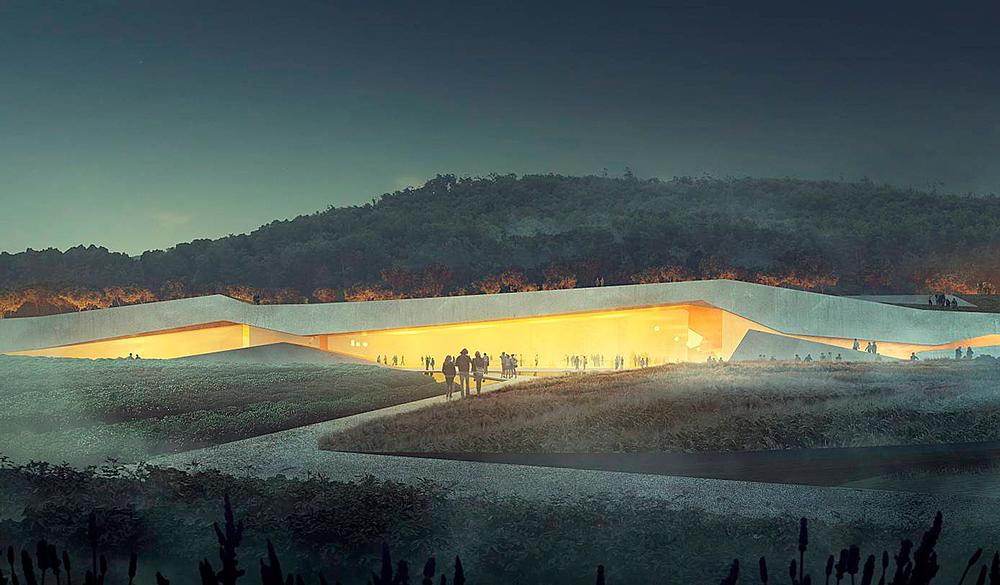
What did the September 11 Memorial Pavilion project mean to you? It’s been a massively important project for us. When you design something like this, it is not about substituting the loss; it is rather a way of reacting to a possible future presence – for the public actually coming there, and going in, and looking at it.
We also knew there would be a lot of different opinions as to what should be done and how it should be done. So from the very beginning, we said this would be a negotiated project – it would be more negotiation than design. And we set out by saying our intention was to reflect the present, whereas the two waterfalls going into the footprints of the two towers reflect the past. In that sense, it would be a more dynamic building, creating an immediate connection between the public and what was happening on the site.
What was the brief and how did it evolve? In the very beginning, the building was intended as a cultural centre, housing two organisations: the Drawing Center, a New York arts institution, and the newly created International Freedom Center. As it turned out, that brief changed completely, and neither of those organisations is in the building.
Now it’s more of a transition zone than a straightforward cultural institution – an entrance, a meeting place, a coffee shop, a lecture room and a family room. The changing brief also had an impact on the size of the pavilion and how it was located on the site, and I have to say we’re quite happy that the building isn’t too big and sits quite naturally within the Memorial Quadrant.
What inspired the design? We wanted the surfaces on the outside of the building to reflect different aspects of the surroundings, so very early on we were looking at prisms that would take different types of light from different positions and reflect them into the interior.
As the design evolved, it became more about bending and angling the reflective surfaces, so the reflections would be thrown in different directions – so one surface might have more of the sky, while the other would have more of the ground. And that would also influence the colour of the skin of the building. So it became more a matter of designing reflections than designing façades.
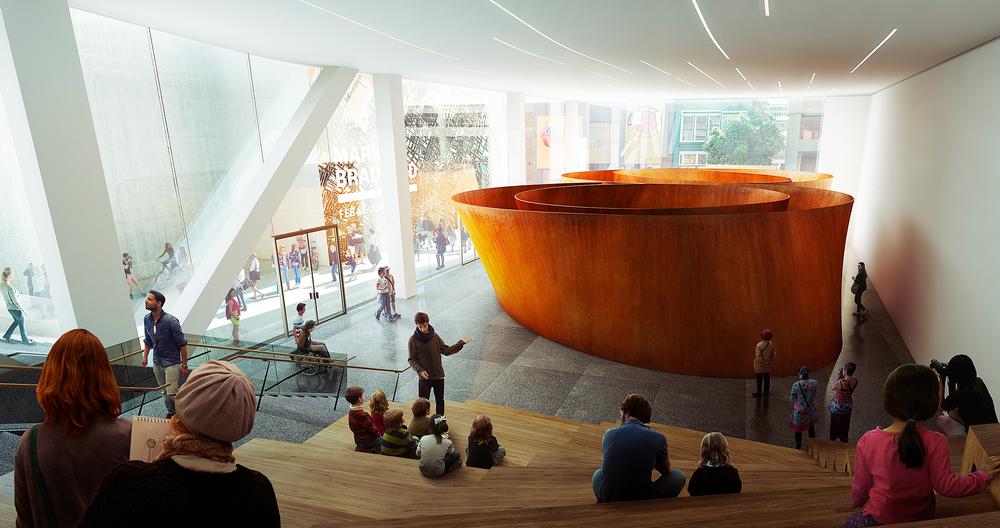
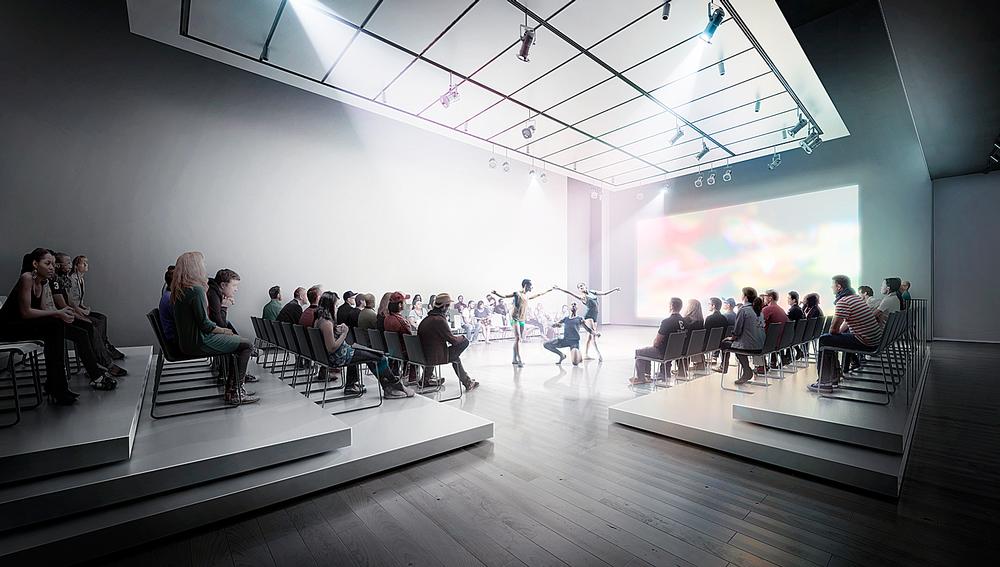
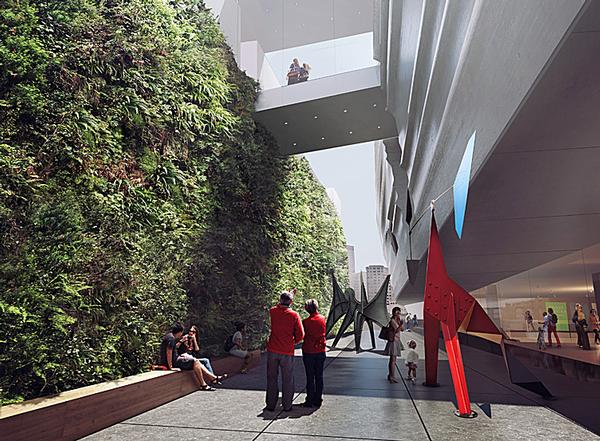
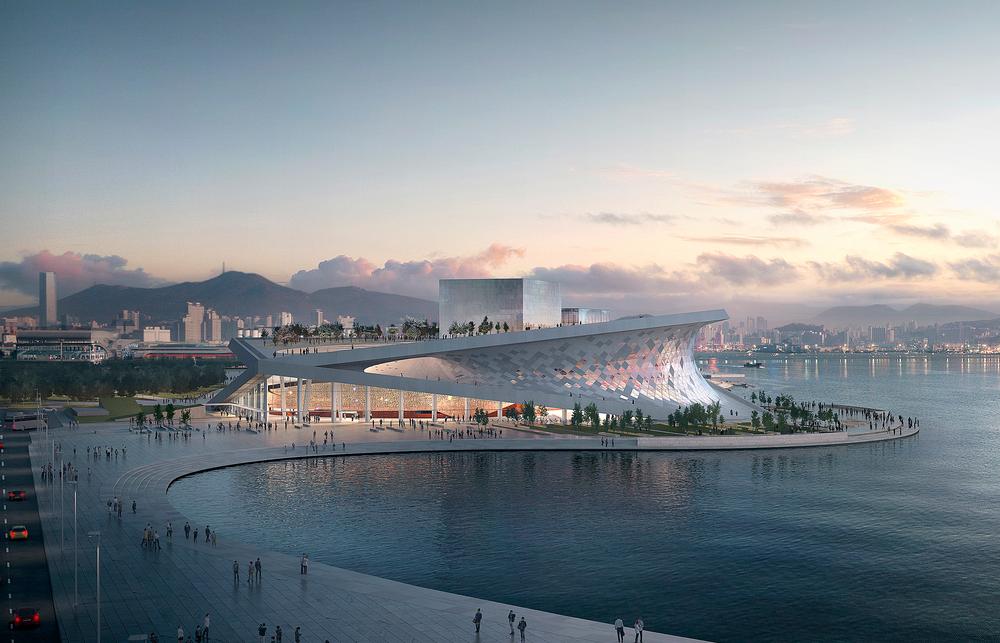
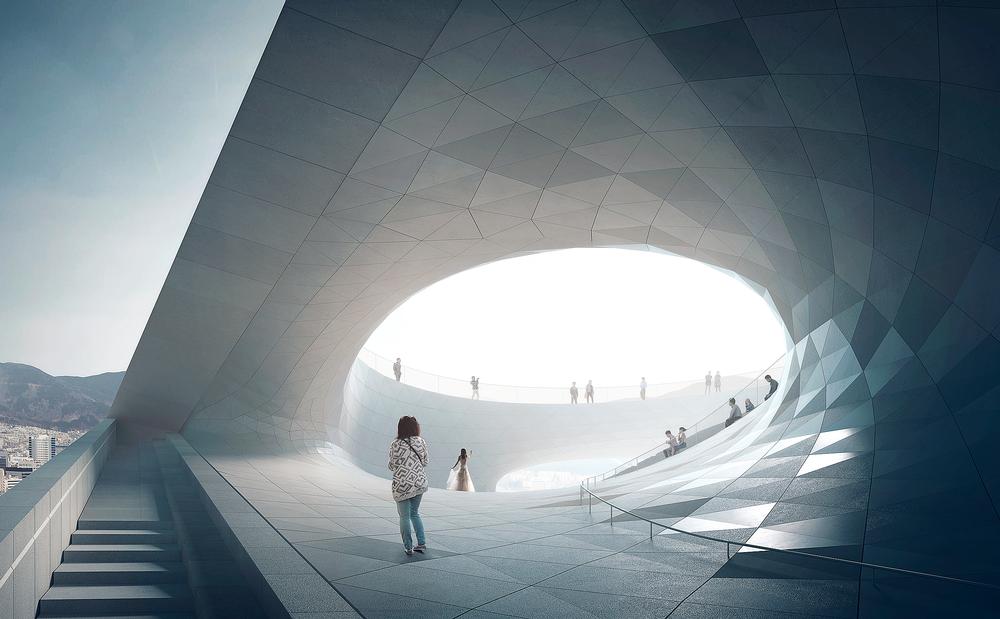
Snøhetta has designed the expansion of the San Francisco Museum of Modern Art. What are the main aims of the project? Creating more social interactions and closer relationships to the surrounding streetscapes, giving more connection to outdoor and indoor areas and, of course, expanding exhibition areas and making it possible to show more art.
What were the main challenges? It was a very tight, very urban site, so in order to create exhibition floors with a certain volume, we had to expand quite creatively. We needed to expand between two street façades and we needed a more open representation at street level – something more like a storefront.
With a vertical museum structure, we needed to bring people in an easy yet recognisable way from one floor to the next. And we needed to connect the two buildings and create interactive areas that would support both. We have done that by creating a new common space on the first floor that links the buildings in a simple manner and also makes it easy for visitors to orientate themselves.
San Francisco is an earthquake region so that was also quite a big technical challenge, as we wanted to create free-span exhibition spaces without columns.
How well do the two buildings work together? We tend to call them dance partners, as they’re like two different, strong personalities dancing tightly together in that urban setting.
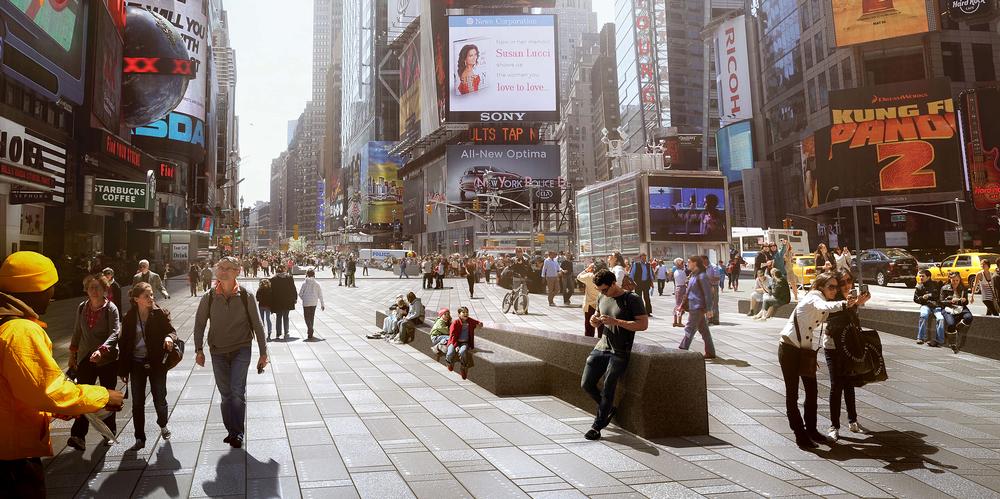
What was the aim of your recent redesign of Times Square? It’s a way of giving Times Square back to the people of New York, by removing traffic and creating a new floor for both citizens and visitors. When you move into an urban space where there used to be only cars you experience it in a new way. You have a different speed, a different height, a different location, so you perceive the surroundings, surfaces and façades in a different manner. It encourages new activities – sitting, standing, doing yoga – but it also has an infrastructural element to it, by providing better drainage, new wiring, lighting and benches.
What are you working on going forward? One project under construction is the Lascaux IV Caves Museum in France, which includes the recreation of the Lascaux caves and their 10,000-year-old paintings. We’re also building The King Abdulaziz Center for World Culture in Dhahrab, Saudi Arabia, which is the biggest building we’ve ever done – it’s a huge cultural centre housing the country’s first public cinemas as well as a library, a concert hall, an exhibition hall and a lifelong learning centre.
We have several projects in Norway, including the Bergen National Academy of the Arts, and we’re just starting the expansion of the Ordrupgaard museum in Copenhagen. We’ve also just shared first prize with the Japanese firm SANAA for the Hungarian National Gallery in Budapest, so we will need to compete further on that one. We currently have about 12 projects under construction and 40 on the drawing table.
Which other architects do you admire? Among living architects, I think Frank Gehry made a huge difference to how architects are perceived. You can like or dislike the repetition in his work but there was a turning point in history, where architects started gaining overall importance again. Then there are architects like Herzog and de Meuron who produce fantastic projects. You also have small companies like the Austrian firm marte.marte or the architect Fernando Menis from Tenerife, who are doing extraordinary things. But more than being inspired by architects, our inspirations come from elsewhere – from writers, from philosophers or people from the art world.
How do you relax? I go skiing or mountain-climbing. That gives you a very intimate relationship with the landscape you’re performing within.
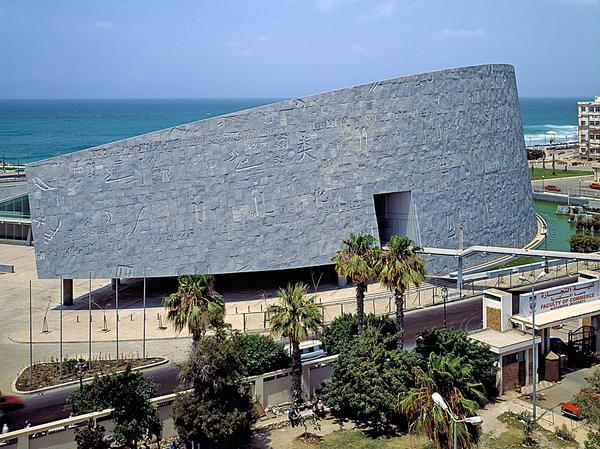
Snøhetta Projects - Thorsen on... The Library of Alexandria Egypt (1989-2001) Our goal was to create a library in Alexandria that would not ruin millions of people’s imaginations of the Ancient Library of Alexandria [dating back to the third century BC]. At the same time, we wanted to say something about the past, present and future – so the section below the horizon is the past; at the horizon is the present, and above the horizon is the future.
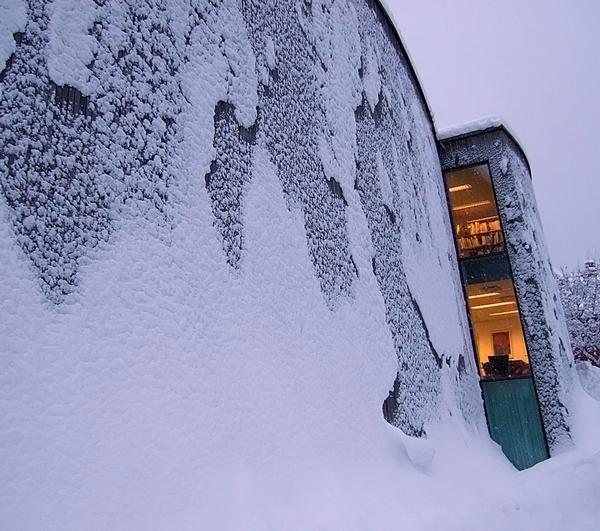
Snøhetta Projects - Thorsen on... The Lillehammer Art Museum Lillehammer, Norway (1990-1994, extension 2013-) This was really our first constructed piece of architecture. It’s an interpretation of the hillsides of Lillehammer, compressed onto a specific site, and it functions a little like a musical instrument. The strings are hit by the musicians, who are the artists; the acoustic body of the museum strengthens the vibrations of the strings and turn them into music. We’re now working on an extension with the artist Bård Breivik.
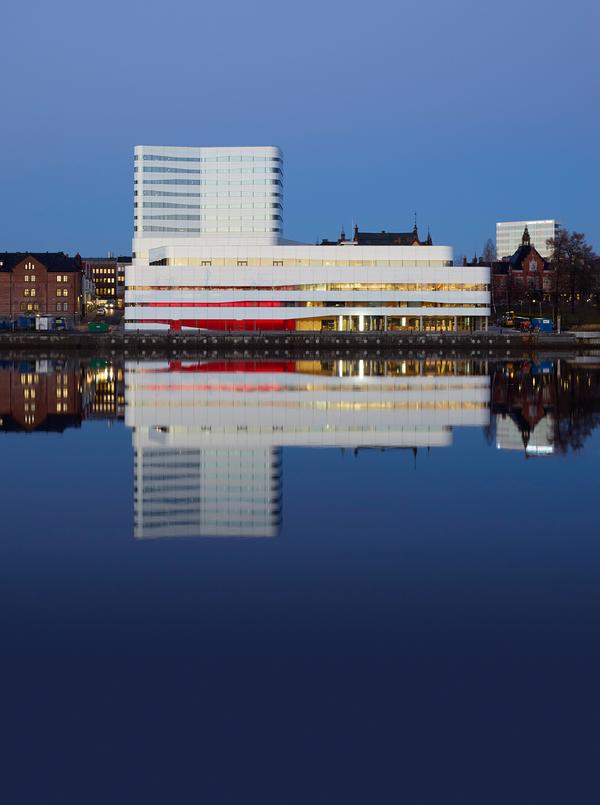
Snøhetta Projects - Thorsen on... Väven Umeå, Sweden (2010-2014) The concept is in the name, which means ‘weave’ in Swedish – it’s a way of combining many cultural functions in a small city and weaving them together in a single building.
PHOTO: AKE E:SON LINDMAN
Väven
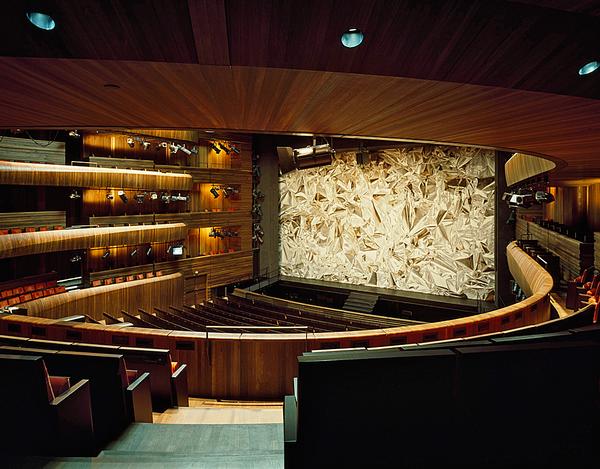
Snøhetta Projects - Thorsen on... The Norwegian National Ballet and Opera Oslo, Norway (2000-2008) We wanted to change the perception of an opera house from being something very elitist into something public and accessible. We did this by providing a huge, accessible roof, without any commercial activities on it, which was simply a free space – for tai chi on a summer morning, for outdoor concerts, or simply for taking a stroll.
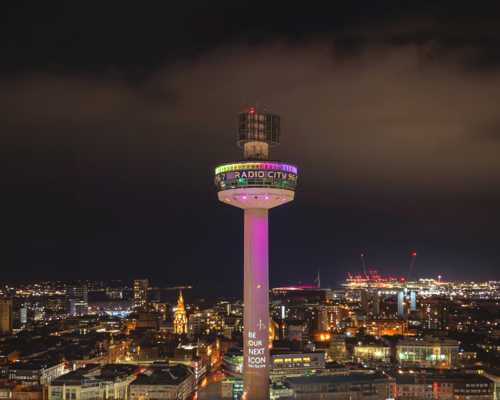
An opportunity to reimagine one of the UK’s most recognisable towers has been formally
opened by Rivington Hark, as St Johns Beacon invites operators and partners to shape its
next phase. [more...]
Snøhetta’s founding partner talks about the expansion of SFMOMA, the September 11 Memorial Pavilion in New York and the importance of blurring professional borders. Rhianon Howells reports
By Rhianon Howells | Published in CLADmag 2015 issue 2
Kjetil Trædal Thorsen trained at the University of Technology in Graz, Austria. He is a founding partner of Snøhetta and is based in the practice's Oslo office
Given Norway’s rich tradition of folklore, the story of the naming of Snøhetta – the Oslo-based integrated design practice, embracing architecture, landscape architecture, interior design and brand design – has a pleasing ring of mythology about it, despite being entirely true.
In 1987, a number of young architects and landscape architects set themselves up in an attic studio above a popular Oslo beer hall called Dovrehallen, meaning Hall of the Dove. Dovre is a mountainous region of central Norway, so it followed that the collective should name themselves after its highest peak: Snøhetta. Two years later, one of the group’s members, Kjetil Trædal Thorsen, together with fellow architect Craig Dykers, founded the shareholding company Snøhetta Architecture and Landscape AS.
As well as being a pun on the studio’s location, the name reflected its core philosophy. A mountain, according to Thorsen, is both an object and a landscape, and therefore a perfect representation of the firm’s commitment to integrating architecture and landscape architecture in a single design process.
The founding of Snøhetta also marked the beginning of Thorsen’s professional ascent. After a childhood spent in Norway, Germany and England, he had studied architecture at the University of Technology in Graz, Austria, before moving to Oslo in 1985 to work as a freelance. Two years later, Snøhetta was born, and just two years after that, the firm won its first big commission: the Alexandria Library. With two main studios in Oslo and New York, the practice now employs more than 160 people from 28 different countries.
Why did you become an architect? My art O-level teacher at the secondary school I attended in England recommended I become an architect. I was interested in drawing, in art and in the sequence of producing things, whatever they might be: models, painting, sculptures or scratchboards. I had a general interest in creating things, which led me to believe my teacher was right.
What were your aims when you set up Snøhetta? We had seen the need for collaboration between different professions dealing with our physical surroundings, such as urbanism, public art, landscape architecture and interior design. We were interested in trying to co-locate these disciplines in a profession-free environment where there could be broader collaboration – especially, in the beginning, between landscape architecture and architecture.
The idea was that the borders between the professions would start to get a little more blurred, and one would influence the other. Landscape architecture would no longer just be the leftovers of whatever the architect did – the spaces between the buildings, filled with whatever was left of the budget. We started to look at more integrated ways of practising all the design disciplines related to our physical environment.
Is that something that is now more commonplace? Yes, absolutely. Since 1987, the search for more transprofessional ways of working and closer collaboration between different professions has started to become more and more normal in everyday practice.
How does it work in practice? It’s a workshop-based process. We invite people from a range of professions from both within and outside Snøhetta, and sometimes from the client side as well. Then when you start doing the creative work, you leave your profession behind. It’s like a kind of role-play, where you swap roles... The process releases you from your basic responsibilities.
We call it transpositioning here, when the landscape architect becomes the architect, the architect becomes the artist, the artist becomes the sociologist, the sociologist the philosopher... For instance, when we were working on the Norwegian National Opera and Ballet, it was the guy writing librettos who more or less defined the movement of the public on their way to the opera house as part of a non-processional movement, which would on one hand be individually experienced and on the other hand collectively.
What did the September 11 Memorial Pavilion project mean to you? It’s been a massively important project for us. When you design something like this, it is not about substituting the loss; it is rather a way of reacting to a possible future presence – for the public actually coming there, and going in, and looking at it.
We also knew there would be a lot of different opinions as to what should be done and how it should be done. So from the very beginning, we said this would be a negotiated project – it would be more negotiation than design. And we set out by saying our intention was to reflect the present, whereas the two waterfalls going into the footprints of the two towers reflect the past. In that sense, it would be a more dynamic building, creating an immediate connection between the public and what was happening on the site.
What was the brief and how did it evolve? In the very beginning, the building was intended as a cultural centre, housing two organisations: the Drawing Center, a New York arts institution, and the newly created International Freedom Center. As it turned out, that brief changed completely, and neither of those organisations is in the building.
Now it’s more of a transition zone than a straightforward cultural institution – an entrance, a meeting place, a coffee shop, a lecture room and a family room. The changing brief also had an impact on the size of the pavilion and how it was located on the site, and I have to say we’re quite happy that the building isn’t too big and sits quite naturally within the Memorial Quadrant.
What inspired the design? We wanted the surfaces on the outside of the building to reflect different aspects of the surroundings, so very early on we were looking at prisms that would take different types of light from different positions and reflect them into the interior.
As the design evolved, it became more about bending and angling the reflective surfaces, so the reflections would be thrown in different directions – so one surface might have more of the sky, while the other would have more of the ground. And that would also influence the colour of the skin of the building. So it became more a matter of designing reflections than designing façades.
Snøhetta has designed the expansion of the San Francisco Museum of Modern Art. What are the main aims of the project? Creating more social interactions and closer relationships to the surrounding streetscapes, giving more connection to outdoor and indoor areas and, of course, expanding exhibition areas and making it possible to show more art.
What were the main challenges? It was a very tight, very urban site, so in order to create exhibition floors with a certain volume, we had to expand quite creatively. We needed to expand between two street façades and we needed a more open representation at street level – something more like a storefront.
With a vertical museum structure, we needed to bring people in an easy yet recognisable way from one floor to the next. And we needed to connect the two buildings and create interactive areas that would support both. We have done that by creating a new common space on the first floor that links the buildings in a simple manner and also makes it easy for visitors to orientate themselves.
San Francisco is an earthquake region so that was also quite a big technical challenge, as we wanted to create free-span exhibition spaces without columns.
How well do the two buildings work together? We tend to call them dance partners, as they’re like two different, strong personalities dancing tightly together in that urban setting.
What was the aim of your recent redesign of Times Square? It’s a way of giving Times Square back to the people of New York, by removing traffic and creating a new floor for both citizens and visitors. When you move into an urban space where there used to be only cars you experience it in a new way. You have a different speed, a different height, a different location, so you perceive the surroundings, surfaces and façades in a different manner. It encourages new activities – sitting, standing, doing yoga – but it also has an infrastructural element to it, by providing better drainage, new wiring, lighting and benches.
What are you working on going forward? One project under construction is the Lascaux IV Caves Museum in France, which includes the recreation of the Lascaux caves and their 10,000-year-old paintings. We’re also building The King Abdulaziz Center for World Culture in Dhahrab, Saudi Arabia, which is the biggest building we’ve ever done – it’s a huge cultural centre housing the country’s first public cinemas as well as a library, a concert hall, an exhibition hall and a lifelong learning centre.
We have several projects in Norway, including the Bergen National Academy of the Arts, and we’re just starting the expansion of the Ordrupgaard museum in Copenhagen. We’ve also just shared first prize with the Japanese firm SANAA for the Hungarian National Gallery in Budapest, so we will need to compete further on that one. We currently have about 12 projects under construction and 40 on the drawing table.
Which other architects do you admire? Among living architects, I think Frank Gehry made a huge difference to how architects are perceived. You can like or dislike the repetition in his work but there was a turning point in history, where architects started gaining overall importance again. Then there are architects like Herzog and de Meuron who produce fantastic projects. You also have small companies like the Austrian firm marte.marte or the architect Fernando Menis from Tenerife, who are doing extraordinary things. But more than being inspired by architects, our inspirations come from elsewhere – from writers, from philosophers or people from the art world.
How do you relax? I go skiing or mountain-climbing. That gives you a very intimate relationship with the landscape you’re performing within.
Snøhetta Projects - Thorsen on... The Library of Alexandria Egypt (1989-2001) Our goal was to create a library in Alexandria that would not ruin millions of people’s imaginations of the Ancient Library of Alexandria [dating back to the third century BC]. At the same time, we wanted to say something about the past, present and future – so the section below the horizon is the past; at the horizon is the present, and above the horizon is the future.
Snøhetta Projects - Thorsen on... The Lillehammer Art Museum Lillehammer, Norway (1990-1994, extension 2013-) This was really our first constructed piece of architecture. It’s an interpretation of the hillsides of Lillehammer, compressed onto a specific site, and it functions a little like a musical instrument. The strings are hit by the musicians, who are the artists; the acoustic body of the museum strengthens the vibrations of the strings and turn them into music. We’re now working on an extension with the artist Bård Breivik.
Snøhetta Projects - Thorsen on... Väven Umeå, Sweden (2010-2014) The concept is in the name, which means ‘weave’ in Swedish – it’s a way of combining many cultural functions in a small city and weaving them together in a single building.
PHOTO: AKE E:SON LINDMAN
Väven
Snøhetta Projects - Thorsen on... The Norwegian National Ballet and Opera Oslo, Norway (2000-2008) We wanted to change the perception of an opera house from being something very elitist into something public and accessible. We did this by providing a huge, accessible roof, without any commercial activities on it, which was simply a free space – for tai chi on a summer morning, for outdoor concerts, or simply for taking a stroll.
A new immersive attraction designed to transport visitors into the final hours of ancient Pompeii
is preparing to open near the world-famous archaeological site in southern Italy.
Experience design company, BRC Imagination Arts, has completed a transition that sees founder
Bob Rogers pass ownership of the business to four long-serving senior executives, while
remaining actively involved with the company.
Movie Park Germany has opened a new Paramount Pictures-themed attraction as part of its 30th
anniversary celebrations, using immersive storytelling and adaptive reuse to reinforce the park’s
longstanding “Hollywood in Germany” positioning.
Therme Manchester’s 28-acre development, which will include interconnected glass pavilions
that measure 65,000sq m, will be the largest bathing and wellbeing attraction in the world once
complete, according to prof David Russell, CEO of Therme UK.
Efteling has opened Hooghmoed, a new family drop tower designed to broaden the appeal of its
recently launched Sirene Island themed area and introduce younger visitors to thrill attractions.
A proposed Puy du Fou development near Bicester and Universal Destinations and Experiences’
planned resort in Bedford are emerging as part of a wider transformation of the Oxford–
Cambridge Growth Corridor into a major centre for UK leisure and tourism inv
Shedd Aquarium has opened the Immersion Theater developed in partnership with SimEx-
Iwerks, as part of a wider strategy to enhance the guest experience and create additional
revenue opportunities.
The UK government has announced a temporary reduction in VAT on visitor attractions and
children’s meals as part of a summer cost-of-living support package designed to stimulate the
visitor economy and encourage family days out.
As designer Yinka Ilori prepares for his first solo gallery show in London, he speaks exclusively
to CLADmag about his mission to spread joy, the power of play, and his bold approach to using
colour (including the colours you won’t see in his work).
The government of Thailand is exploring plans for a THB300bn (£6.3bn, US$8.3bn)
entertainment complex in the country’s Eastern Economic Corridor (EEC), with officials
proposing a large-scale theme park and sports destination as part of a broader tourism and
economic development strategy.
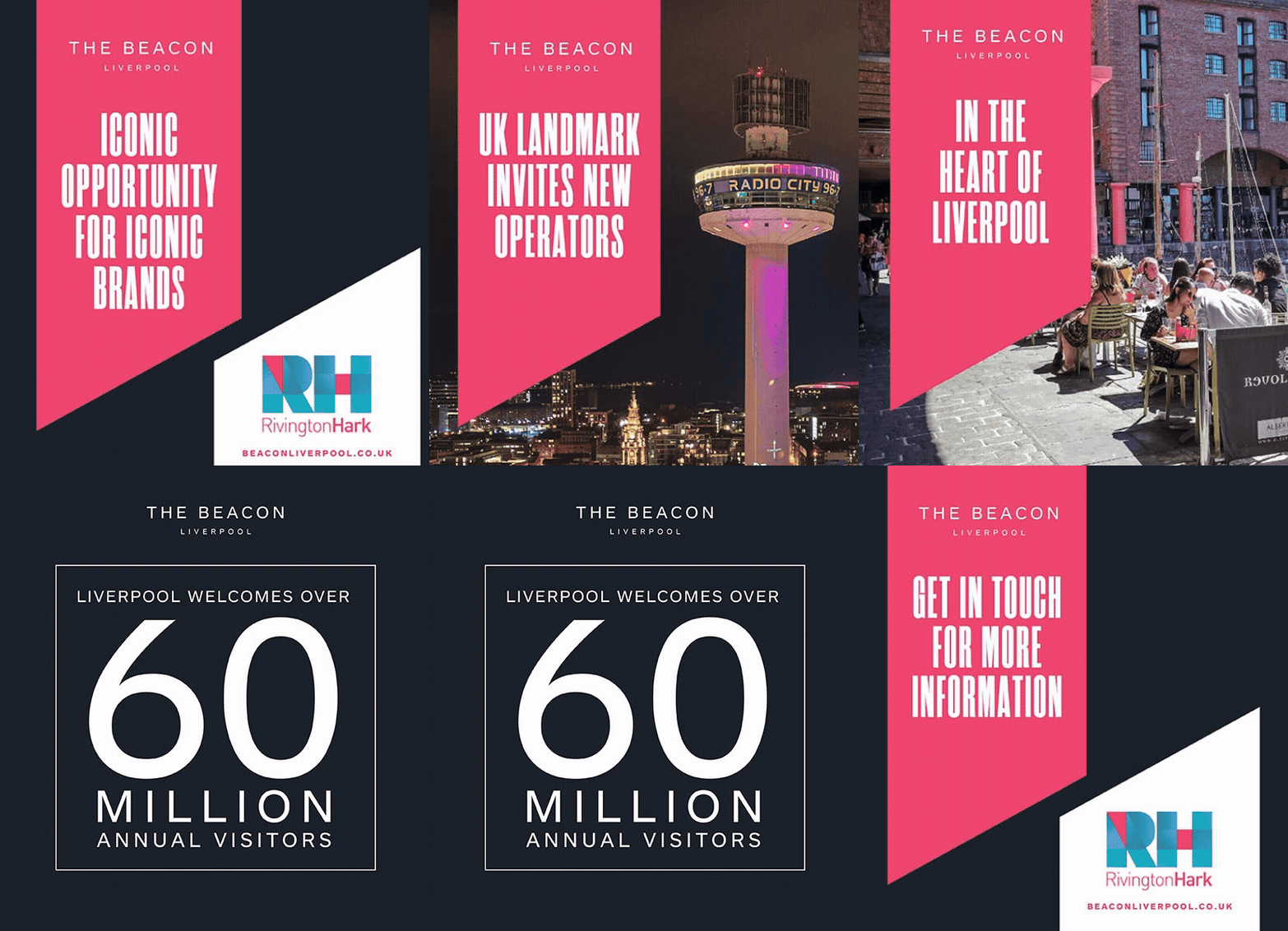
An opportunity to reimagine one of the UK’s most recognisable towers has been formally
opened by Rivington Hark, as St Johns Beacon invites operators and partners to shape its
next phase. [more...]