A flexible design concept secured architects Populous the prestigious £90m Bristol Arena project. Populous’ Mike Trice explains how the winning design will work in practice
By Magali Robathan | Published in Sports Management 2015 issue 2
Mike Trice previously worked as project architect for the award winning Odyssey Arena in Belfast
International architecture firm Populous was declared the winner of a design competition for the £90m Bristol Arena in March 2015. The winning team – comprising Populous, Feilden Clegg Bradley, BuroHappold and Vanguardia – was selected from a shortlist of five. When the building opens in 2017, it will mean that Bristol no longer holds the unenviable title of being the UK’s largest city without a large arena-style venue.
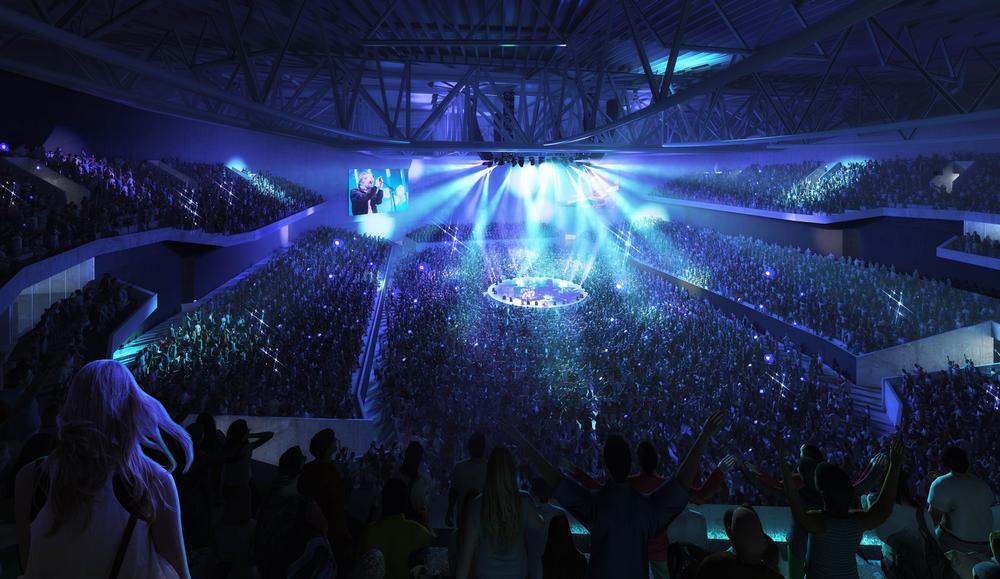
Flexibility Populous’ winning design is a flexible, horseshoe-shaped arena that can easily convert from a 12,000-seat arena to a more intimate venue for smaller events. According to Populous design principal Mike Trice, providing versatility was key to winning the bid. “Our arena ticked all the boxes on function and form; it’s an eminently operable building,” he says. “The unique thing about the way it reconfigures is that it can go from a very small venue for 4,000 people up to a big venue for up to 12,000 people. It allows any sort of band to play in it and can cope with any sort of stage configuration.
“It’s been designed to convert seamlessly, and we’ve been very deliberate about containing all the boxes within the end of the arena that’s always live. The way the roof is set out, you get a fan-shaped structure above the amphitheatre so the amphitheatre feels as though it’s been designed as a space on its own. It’s unique, the way we’ve delivered it as an architectural piece.”
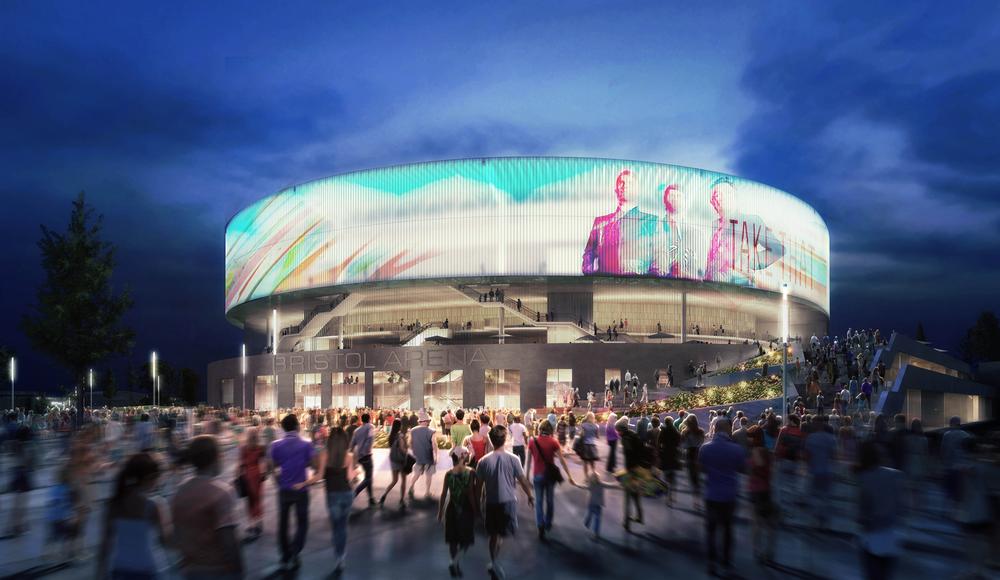
The exterior features a masonry plinth base, designed to reflect the industrial heritage of the Bristol area, with a crystalline disk above it. Trice says the disk can also be used as a marketing tool.
“We can change the colour of it, project on to it and use it to advertise events,” Trice says. “On non-event days it becomes a mirror which reflects the sky and becomes almost invisible.”
Sustainability The environmental sustainability of the building was a key factor in the design.
“We’re targeting a BREEAM ‘Excellent’ rating. Design solutions will depend on the precinct-wide energy strategy which is agreed upon by the council,” says Trice. “This could include an innovative displacement ventilation system and provision for the biggest building-based photovoltaic system in the city.
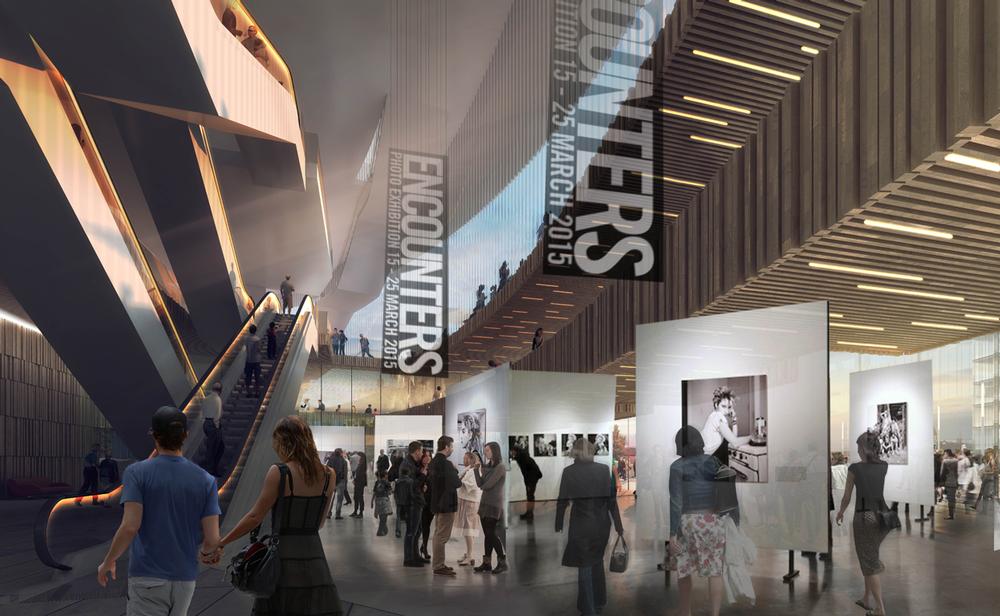
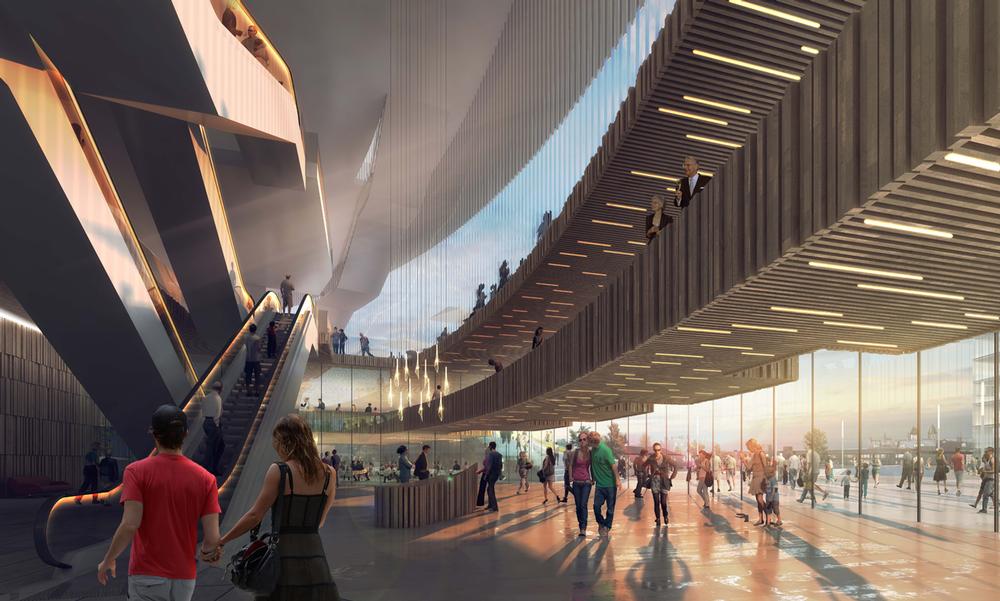
“On the social aspect of sustainability, the terraces create a new cycling and pedestrian link between the residential areas, the city and the station, establishing a connection that’s been missing.”
History Bristol Mayor and former RIBA president George Ferguson promised to bring an arena to Bristol as part of his election manifesto [he was elected Mayor in November 2012]. “It was a no brainer,” said Ferguson. “Bristol is one of the last big cities in the UK without a large arena. It means that all of our young people – and some of our older rockers – have to go to Cardiff, Southampton, Plymouth or Portsmouth. More importantly, it also means that a lot of people aren’t coming to Bristol who would otherwise come.
“This arena will strengthen Bristol’s attraction as a destination and it will be a major catalyst for the regeneration of the Bristol Temple Quarter Enterprise Zone, creating jobs and stimulating economic growth. It will bring tens of millions of pounds in additional spend to the region from business and leisure activity, increased hotel occupancy and other related spend.
“The design offers real flexibility for programming for now and into the future, giving performers and audiences a great acoustic and visual experience. Populous’ understanding of the site, combined with their knowledge of building arenas and creating great experiences, eased what initially looked like a difficult choice.”
Bristol Arena will be located on the former diesel depot site next to Bristol Temple Meads railway station in the Bristol Temple Quarter Enterprise Zone. Funded by Bristol City Council and the West of England Local Enterprise Partnership through its Economic Development Fund, the arena will be operated by global facility management giant SMG, in partnership with Live Nation. The arena is predicted to break even within 10 years.
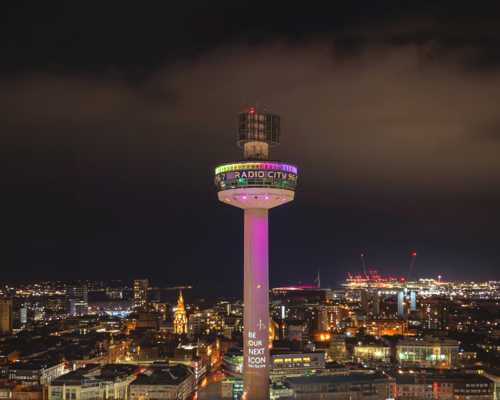
An opportunity to reimagine one of the UK’s most recognisable towers has been formally
opened by Rivington Hark, as St Johns Beacon invites operators and partners to shape its
next phase. [more...]
A flexible design concept secured architects Populous the prestigious £90m Bristol Arena project. Populous’ Mike Trice explains how the winning design will work in practice
By Magali Robathan | Published in Sports Management 2015 issue 2
Mike Trice previously worked as project architect for the award winning Odyssey Arena in Belfast
International architecture firm Populous was declared the winner of a design competition for the £90m Bristol Arena in March 2015. The winning team – comprising Populous, Feilden Clegg Bradley, BuroHappold and Vanguardia – was selected from a shortlist of five. When the building opens in 2017, it will mean that Bristol no longer holds the unenviable title of being the UK’s largest city without a large arena-style venue.
Flexibility Populous’ winning design is a flexible, horseshoe-shaped arena that can easily convert from a 12,000-seat arena to a more intimate venue for smaller events. According to Populous design principal Mike Trice, providing versatility was key to winning the bid. “Our arena ticked all the boxes on function and form; it’s an eminently operable building,” he says. “The unique thing about the way it reconfigures is that it can go from a very small venue for 4,000 people up to a big venue for up to 12,000 people. It allows any sort of band to play in it and can cope with any sort of stage configuration.
“It’s been designed to convert seamlessly, and we’ve been very deliberate about containing all the boxes within the end of the arena that’s always live. The way the roof is set out, you get a fan-shaped structure above the amphitheatre so the amphitheatre feels as though it’s been designed as a space on its own. It’s unique, the way we’ve delivered it as an architectural piece.”
The exterior features a masonry plinth base, designed to reflect the industrial heritage of the Bristol area, with a crystalline disk above it. Trice says the disk can also be used as a marketing tool.
“We can change the colour of it, project on to it and use it to advertise events,” Trice says. “On non-event days it becomes a mirror which reflects the sky and becomes almost invisible.”
Sustainability The environmental sustainability of the building was a key factor in the design.
“We’re targeting a BREEAM ‘Excellent’ rating. Design solutions will depend on the precinct-wide energy strategy which is agreed upon by the council,” says Trice. “This could include an innovative displacement ventilation system and provision for the biggest building-based photovoltaic system in the city.
“On the social aspect of sustainability, the terraces create a new cycling and pedestrian link between the residential areas, the city and the station, establishing a connection that’s been missing.”
History Bristol Mayor and former RIBA president George Ferguson promised to bring an arena to Bristol as part of his election manifesto [he was elected Mayor in November 2012]. “It was a no brainer,” said Ferguson. “Bristol is one of the last big cities in the UK without a large arena. It means that all of our young people – and some of our older rockers – have to go to Cardiff, Southampton, Plymouth or Portsmouth. More importantly, it also means that a lot of people aren’t coming to Bristol who would otherwise come.
“This arena will strengthen Bristol’s attraction as a destination and it will be a major catalyst for the regeneration of the Bristol Temple Quarter Enterprise Zone, creating jobs and stimulating economic growth. It will bring tens of millions of pounds in additional spend to the region from business and leisure activity, increased hotel occupancy and other related spend.
“The design offers real flexibility for programming for now and into the future, giving performers and audiences a great acoustic and visual experience. Populous’ understanding of the site, combined with their knowledge of building arenas and creating great experiences, eased what initially looked like a difficult choice.”
Bristol Arena will be located on the former diesel depot site next to Bristol Temple Meads railway station in the Bristol Temple Quarter Enterprise Zone. Funded by Bristol City Council and the West of England Local Enterprise Partnership through its Economic Development Fund, the arena will be operated by global facility management giant SMG, in partnership with Live Nation. The arena is predicted to break even within 10 years.
A new immersive attraction designed to transport visitors into the final hours of ancient Pompeii
is preparing to open near the world-famous archaeological site in southern Italy.
Experience design company, BRC Imagination Arts, has completed a transition that sees founder
Bob Rogers pass ownership of the business to four long-serving senior executives, while
remaining actively involved with the company.
Movie Park Germany has opened a new Paramount Pictures-themed attraction as part of its 30th
anniversary celebrations, using immersive storytelling and adaptive reuse to reinforce the park’s
longstanding “Hollywood in Germany” positioning.
Therme Manchester’s 28-acre development, which will include interconnected glass pavilions
that measure 65,000sq m, will be the largest bathing and wellbeing attraction in the world once
complete, according to prof David Russell, CEO of Therme UK.
Efteling has opened Hooghmoed, a new family drop tower designed to broaden the appeal of its
recently launched Sirene Island themed area and introduce younger visitors to thrill attractions.
A proposed Puy du Fou development near Bicester and Universal Destinations and Experiences’
planned resort in Bedford are emerging as part of a wider transformation of the Oxford–
Cambridge Growth Corridor into a major centre for UK leisure and tourism inv
Shedd Aquarium has opened the Immersion Theater developed in partnership with SimEx-
Iwerks, as part of a wider strategy to enhance the guest experience and create additional
revenue opportunities.
The UK government has announced a temporary reduction in VAT on visitor attractions and
children’s meals as part of a summer cost-of-living support package designed to stimulate the
visitor economy and encourage family days out.
As designer Yinka Ilori prepares for his first solo gallery show in London, he speaks exclusively
to CLADmag about his mission to spread joy, the power of play, and his bold approach to using
colour (including the colours you won’t see in his work).
The government of Thailand is exploring plans for a THB300bn (£6.3bn, US$8.3bn)
entertainment complex in the country’s Eastern Economic Corridor (EEC), with officials
proposing a large-scale theme park and sports destination as part of a broader tourism and
economic development strategy.
An opportunity to reimagine one of the UK’s most recognisable towers has been formally
opened by Rivington Hark, as St Johns Beacon invites operators and partners to shape its
next phase. [more...]