This month’s Gymtopia story pays tribute to Baron Carl Gripenstedt, chair and founder of Lifestyle Fitness, who died suddenly in January of this year aged just 59. It’s a story of inherited privilege and wealth, generosity and homelessness.
A noble upbringing Gripenstedt was part of the Swedish nobility and was raised at Bystad mansion, an imposing estate in Kilsmo – a locality of just 263 people, 200km south-east of Stockholm, Sweden.
The family owned Brevens Bruk AB, a large family estate comprising swathes of forestry, agriculture and real estate. By normal standards, it was a life filled with abundance; if we were all issued with a ticket at birth, Gripenstedt’s would have been golden. So how does this privileged upbringing shape your view of the world and the lives of others less fortunate? Let’s take a look.
A passion for wellbeing Of all the industries available to him, Gripenstedt chose fitness, starting Competition Line (UK) in 1982 – a company that distributed an extensive range of fitness equipment that was manufactured in Sweden. The company also moved into club operations with its Lifestyle Fitness brand of low-cost gyms, which are now spreading across the UK. I find it interesting that a member of the Swedish aristocracy chose to offer affordably priced gyms rather than premium clubs for the more affluent.
Compassion for others I was first drawn to find out more about Gripenstedt and Lifestyle Fitness after reading an article on The Sun newspaper website in 2012 entitled: ‘Homeless man given new chance by gym’.
Lifestyle Fitness discovered 40-year-old Dean Saunders sleeping rough in a building it was converting into a new gym in Barnsley, South Yorkshire. Work could not commence until the man was moved on.
Gripenstedt was informed of the situation and made an extraordinary suggestion: that his company pay to re-house Saunders and, when was he able, to employ him at the club.
Speaking to the local newspaper in 2012, Gripenstedt commented: “He was going to be kicked out straight away, but I’ve been working with homeless people for a long time and I said to staff: ‘No, no – we do not do that.’ If he wants, we will help him. With a little determination he will get through his problems. I would be really proud if we could turn him around.”
The promise was kept and Saunders was found a local home, funded by the company. Saunders was conflicted over this random act of kindness, saying: “I have slightly mixed feelings about it all, but I’m going to do it. I think it could be the worst or best day of my life, but I won’t know until I go for it.”
I would like to write that this story opened a new and positive chapter for Saunders, but it didn’t; homelessness isn’t just about shelter. There can be very complex reasons why people sleep rough and a warm bed is not the cure-all.
Enter Centrepoint But Lifestyle Fitness stuck with its commitment to help homeless people, and entered a partnership with UK charity Centrepoint in 2012.
Since 1969, Centrepoint has been pursuing a long-term vision to end youth homelessness. Its everyday immediate mission is to give homeless young people a future, which begins with offering them a warm, safe room.
But think of this as just the first ‘room’ they require – others are labelled ‘life skills’, ‘education‘, ‘health and wellbeing’, ‘employment’ and critically ‘rebuilding self-esteem’. The Centrepoint journey is to move someone from being a homeless and vulnerable person to become a flourishing and independent adult. So you can see that Saunders was at the very beginning of this big journey.
Centrepoint currently supports around 8,400 16- to 25-year-olds each year. However, this is scratching the surface in the UK, as the charity reports that up to 80,000 young people experience homelessness every year. This number would fill every seat at Manchester United’s stadium and still have people standing.
Long-term partnership The partnership between Lifestyle Fitness and Centrepoint continues today. The company has pledged to raise a minimum of £100,000 towards the charity’s work and keeps a running total on its website for visitors to see. As I write in early February 2015, £52,253 (US$80,000) has been raised through a combination of club member challenges and direct company donations based on new members joining.
So what difference can these funds make to Centrepoint’s mission? Well, it costs Centrepoint around £15 a day to provide a warm and safe room for a young person. This means Lifestyle Fitness and its members have already raised sufficient funds for 3,466 room nights, and this will increase to 6,666 when it reaches its funding milestone.
Of course, we know a simple room does not solve homelessness, but it’s a vital first step to providing young people with a brighter future.
Leaving a legacy Gripenstedt leaves a thriving business spanning 57 clubs across the UK, with more than 109,000 members, but these are not the things that truly define a lasting legacy – the sum of all the things we leave behind. An enduring legacy is more about impact than size, and I believe what Gripenstedt leaves behind is a compassionate business that recognises it has the capacity to do more than simply serve up a great low-cost fitness experience.
The late Anita Roddick of The Body Shop summed it up succinctly: “If I can’t do something for the public good, what the hell am I doing?”
Gymtopia - a place where clubs do social good Gymtopia was conceived by founder and chief engagement officer Ray Algar, who believes the global health and fitness industry has enormous influence and potential to do good in the world, beyond its immediate customers. The idea of Gymtopia is simple: to curate and spread remarkable stories in which the fitness industry uses its influence to reach out and support an external community in need. It was created with the generous support of five organisations: Companhia Athletica, Gantner Technologies, Les Mills, Retention Management and The Gym Group. Gymtopia received an Outstanding Achievement Award in the ukactive Matrix Flame Awards 2014.
Read more stories and submit your own: www.Gymtopia.org
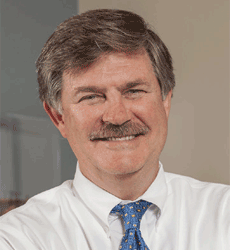
Chief engagement officer Ray Algar
IN A NUTSHELL
Project by: Lifestyle Fitness, UK Web: www.lifestylefitness.co.uk Charity supported: Centrepoint Project status: Ongoing and long-term Impact: UK Gymtopia keywords: Clothing & Shelter, Education, Health & Wellbeing
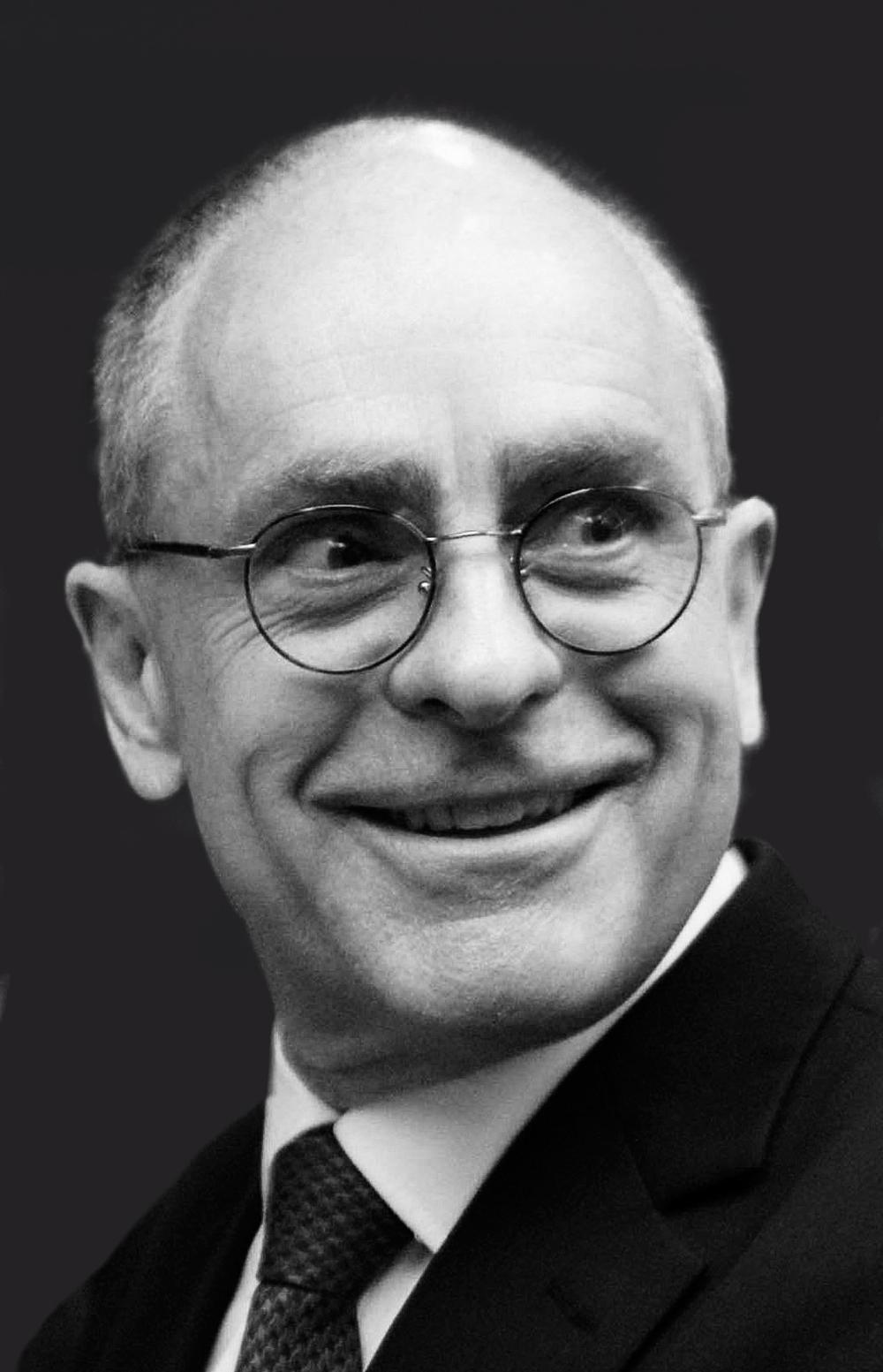
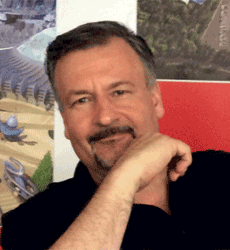
Baron Carl Gripenstedt, chair and founder of Lifestyle Fitness
COMPANY PROFILES
Taylor Made Designs
Founded in 1993, Taylor Made
Designs supply corporate clothing
and brand-enhancing merchandise
to [more...]
IDEATTACK
IDEATTACK is a full-service planning and
design company with headquarters in
Los Angeles. [more...]
TechnoAlpin Indoor
TechnoAlpin is the world leader for snowmaking systems. With the Indoor snow division, TechnoAlpin c [more...]
Sally Corporation
Our services include: Dark ride design & build; Redevelopment of existing attractions; High-quality [more...]
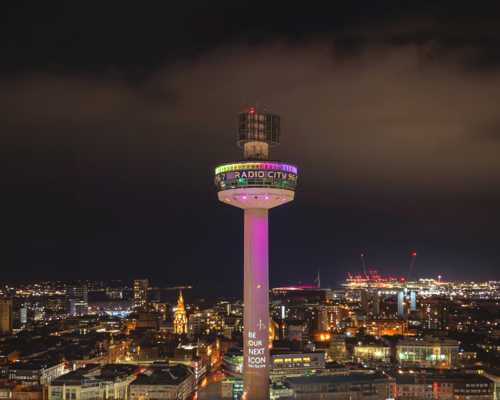
An opportunity to reimagine one of the UK’s most recognisable towers has been formally
opened by Rivington Hark, as St Johns Beacon invites operators and partners to shape its
next phase. [more...]
This month’s Gymtopia story pays tribute to Baron Carl Gripenstedt, chair and founder of Lifestyle Fitness, who died suddenly in January of this year aged just 59. It’s a story of inherited privilege and wealth, generosity and homelessness.
A noble upbringing Gripenstedt was part of the Swedish nobility and was raised at Bystad mansion, an imposing estate in Kilsmo – a locality of just 263 people, 200km south-east of Stockholm, Sweden.
The family owned Brevens Bruk AB, a large family estate comprising swathes of forestry, agriculture and real estate. By normal standards, it was a life filled with abundance; if we were all issued with a ticket at birth, Gripenstedt’s would have been golden. So how does this privileged upbringing shape your view of the world and the lives of others less fortunate? Let’s take a look.
A passion for wellbeing Of all the industries available to him, Gripenstedt chose fitness, starting Competition Line (UK) in 1982 – a company that distributed an extensive range of fitness equipment that was manufactured in Sweden. The company also moved into club operations with its Lifestyle Fitness brand of low-cost gyms, which are now spreading across the UK. I find it interesting that a member of the Swedish aristocracy chose to offer affordably priced gyms rather than premium clubs for the more affluent.
Compassion for others I was first drawn to find out more about Gripenstedt and Lifestyle Fitness after reading an article on The Sun newspaper website in 2012 entitled: ‘Homeless man given new chance by gym’.
Lifestyle Fitness discovered 40-year-old Dean Saunders sleeping rough in a building it was converting into a new gym in Barnsley, South Yorkshire. Work could not commence until the man was moved on.
Gripenstedt was informed of the situation and made an extraordinary suggestion: that his company pay to re-house Saunders and, when was he able, to employ him at the club.
Speaking to the local newspaper in 2012, Gripenstedt commented: “He was going to be kicked out straight away, but I’ve been working with homeless people for a long time and I said to staff: ‘No, no – we do not do that.’ If he wants, we will help him. With a little determination he will get through his problems. I would be really proud if we could turn him around.”
The promise was kept and Saunders was found a local home, funded by the company. Saunders was conflicted over this random act of kindness, saying: “I have slightly mixed feelings about it all, but I’m going to do it. I think it could be the worst or best day of my life, but I won’t know until I go for it.”
I would like to write that this story opened a new and positive chapter for Saunders, but it didn’t; homelessness isn’t just about shelter. There can be very complex reasons why people sleep rough and a warm bed is not the cure-all.
Enter Centrepoint But Lifestyle Fitness stuck with its commitment to help homeless people, and entered a partnership with UK charity Centrepoint in 2012.
Since 1969, Centrepoint has been pursuing a long-term vision to end youth homelessness. Its everyday immediate mission is to give homeless young people a future, which begins with offering them a warm, safe room.
But think of this as just the first ‘room’ they require – others are labelled ‘life skills’, ‘education‘, ‘health and wellbeing’, ‘employment’ and critically ‘rebuilding self-esteem’. The Centrepoint journey is to move someone from being a homeless and vulnerable person to become a flourishing and independent adult. So you can see that Saunders was at the very beginning of this big journey.
Centrepoint currently supports around 8,400 16- to 25-year-olds each year. However, this is scratching the surface in the UK, as the charity reports that up to 80,000 young people experience homelessness every year. This number would fill every seat at Manchester United’s stadium and still have people standing.
Long-term partnership The partnership between Lifestyle Fitness and Centrepoint continues today. The company has pledged to raise a minimum of £100,000 towards the charity’s work and keeps a running total on its website for visitors to see. As I write in early February 2015, £52,253 (US$80,000) has been raised through a combination of club member challenges and direct company donations based on new members joining.
So what difference can these funds make to Centrepoint’s mission? Well, it costs Centrepoint around £15 a day to provide a warm and safe room for a young person. This means Lifestyle Fitness and its members have already raised sufficient funds for 3,466 room nights, and this will increase to 6,666 when it reaches its funding milestone.
Of course, we know a simple room does not solve homelessness, but it’s a vital first step to providing young people with a brighter future.
Leaving a legacy Gripenstedt leaves a thriving business spanning 57 clubs across the UK, with more than 109,000 members, but these are not the things that truly define a lasting legacy – the sum of all the things we leave behind. An enduring legacy is more about impact than size, and I believe what Gripenstedt leaves behind is a compassionate business that recognises it has the capacity to do more than simply serve up a great low-cost fitness experience.
The late Anita Roddick of The Body Shop summed it up succinctly: “If I can’t do something for the public good, what the hell am I doing?”
Gymtopia - a place where clubs do social good Gymtopia was conceived by founder and chief engagement officer Ray Algar, who believes the global health and fitness industry has enormous influence and potential to do good in the world, beyond its immediate customers. The idea of Gymtopia is simple: to curate and spread remarkable stories in which the fitness industry uses its influence to reach out and support an external community in need. It was created with the generous support of five organisations: Companhia Athletica, Gantner Technologies, Les Mills, Retention Management and The Gym Group. Gymtopia received an Outstanding Achievement Award in the ukactive Matrix Flame Awards 2014.
Read more stories and submit your own: www.Gymtopia.org
Chief engagement officer Ray Algar
IN A NUTSHELL
Project by: Lifestyle Fitness, UK Web: www.lifestylefitness.co.uk Charity supported: Centrepoint Project status: Ongoing and long-term Impact: UK Gymtopia keywords: Clothing & Shelter, Education, Health & Wellbeing
Baron Carl Gripenstedt, chair and founder of Lifestyle Fitness
A new immersive attraction designed to transport visitors into the final hours of ancient Pompeii
is preparing to open near the world-famous archaeological site in southern Italy.
Experience design company, BRC Imagination Arts, has completed a transition that sees founder
Bob Rogers pass ownership of the business to four long-serving senior executives, while
remaining actively involved with the company.
Movie Park Germany has opened a new Paramount Pictures-themed attraction as part of its 30th
anniversary celebrations, using immersive storytelling and adaptive reuse to reinforce the park’s
longstanding “Hollywood in Germany” positioning.
Therme Manchester’s 28-acre development, which will include interconnected glass pavilions
that measure 65,000sq m, will be the largest bathing and wellbeing attraction in the world once
complete, according to prof David Russell, CEO of Therme UK.
Efteling has opened Hooghmoed, a new family drop tower designed to broaden the appeal of its
recently launched Sirene Island themed area and introduce younger visitors to thrill attractions.
A proposed Puy du Fou development near Bicester and Universal Destinations and Experiences’
planned resort in Bedford are emerging as part of a wider transformation of the Oxford–
Cambridge Growth Corridor into a major centre for UK leisure and tourism inv
Shedd Aquarium has opened the Immersion Theater developed in partnership with SimEx-
Iwerks, as part of a wider strategy to enhance the guest experience and create additional
revenue opportunities.
The UK government has announced a temporary reduction in VAT on visitor attractions and
children’s meals as part of a summer cost-of-living support package designed to stimulate the
visitor economy and encourage family days out.
As designer Yinka Ilori prepares for his first solo gallery show in London, he speaks exclusively
to CLADmag about his mission to spread joy, the power of play, and his bold approach to using
colour (including the colours you won’t see in his work).
The government of Thailand is exploring plans for a THB300bn (£6.3bn, US$8.3bn)
entertainment complex in the country’s Eastern Economic Corridor (EEC), with officials
proposing a large-scale theme park and sports destination as part of a broader tourism and
economic development strategy.
An opportunity to reimagine one of the UK’s most recognisable towers has been formally
opened by Rivington Hark, as St Johns Beacon invites operators and partners to shape its
next phase. [more...]