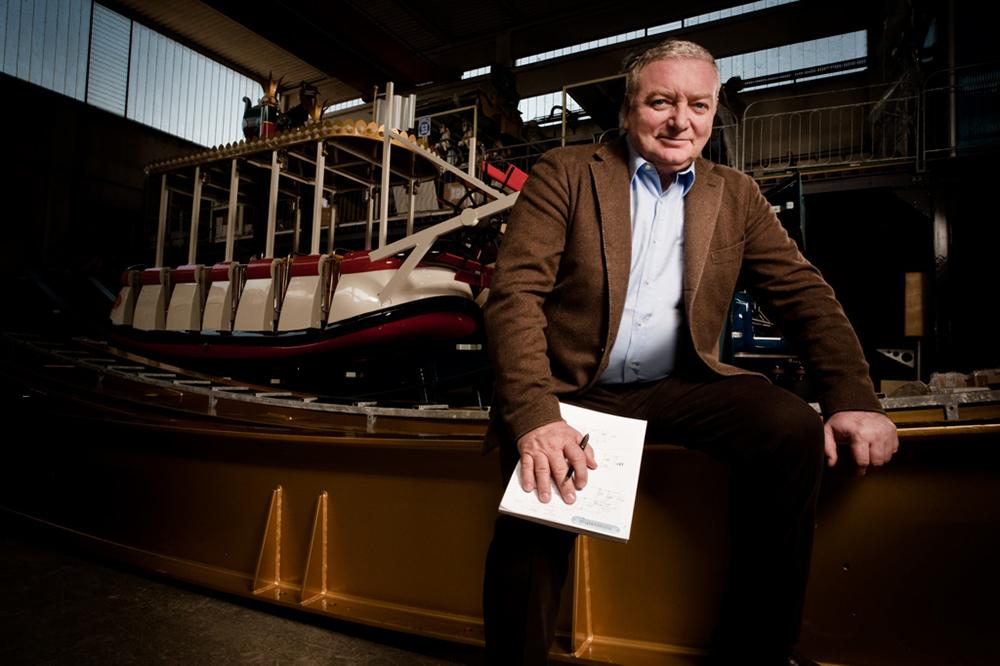
Inspired by the history, politics, philosophy and sheer energy of the Venetians through the centuries, Alberto – head of third-generation Italian ride manufacturer Antonio Zamperla SpA – is proposing to build a cultural hub in the heart of the historic Italian city.
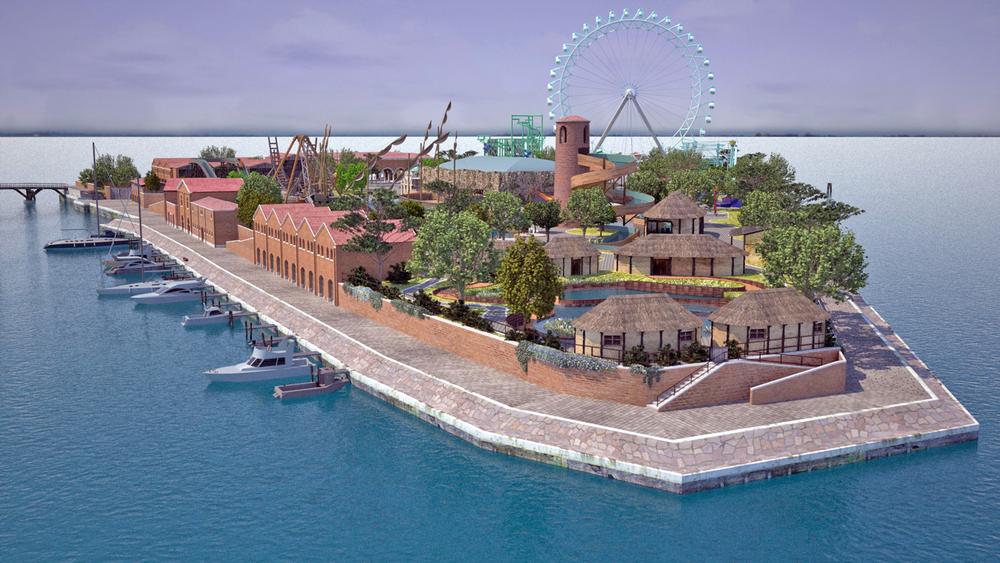
If permission is granted, the attraction will be built on San Biagio Island in the Venetian Lagoon, formerly the location of the city’s rubbish incinerator.
Zamperla believes that the new gateway attraction will attract 500,000 visitors a year, who will be transported by boat from the city’s rail and cruise ship connections.
What inspired you to build an attraction in the heart of Venice? Lots of people don’t understand how the city came to be, so we plan to tell the story of Venice and to celebrate and record its culture and traditions.
What’s so special about the history of Venice? The Italians love history and we want to give them the chance to find out more about this amazing place. Imagine a city that for 1,000 years has never been occupied – and furthermore, has been democratic the entire time. This is something to celebrate, because Venice shows the power of people working together and there are great lessons – still relevant today – to be learned from the past. For example, when a new Doge [chief magistrate] came to power in Venice, he was democratically elected and at the time of his appointment, the Venetian commissioners assessed his wealth. When he died, they estimated it again and if it had increased, the difference was confiscated by the government. So if the Doge benefited financially from his time in power, his family had to give the money back: what a great example to politicians today!
Can you explain the concept behind the masterplan? The first area will be dedicated to the Venetian Laguna (Lagoon), which was very important in creating the way of life of the Venetians and protecting the city. We want to look at its strategic importance and also its traditions: inside the Laguna there are 50 different methods of fishing, for example, and we need to record them for posterity.
The second area will focus on the history of Venice in past centuries, when it played a pivotal role in Europe, and will feature subjects such as the Battle of Lepanto in 1561, when the Republic of Venice, as a member of the Holy League, took on and defeated Suleiman the Magnificent.
The third area will be about Venice’s famous Mardi Gras. We’re going to celebrate it all year round. There will be people with masques and music and a recreation of the magic of the festival. There will also be a big wheel, giving views of Venice, and the project will have a substantial theatre because a theatre is something that Venice is missing.
We will also be building a garden area. In Venice there’s a lack of places to relax that are green and beautiful. So, we’ll rent the land from the state, create a garden, take care of the security and cleaning and open it for public use. Running a city like Venice is very expensive and the city’s only park is dirty and badly run. Ours will be beautiful.
What barriers have you striven to overcome? I had the vision three years ago, but we had to keep it a secret because we didn’t want to give our enemies time to attack. Politicians are not brave, they wait for the opinion of the public – it’s frustrating. Objections are coming only from the intellectuals. After we went public, those organisations whose aim is to keep traditions alive and to stop things changing came out against it – but we’ve also had good support for the project, so we’re going to press on.
How are your plans progressing? We’re building this cosmopolitan centre in an area that was originally a brownfield site. Under the city’s zoning regulations I can create an amusement development there and it will improve the area. We don’t need planning permission to do that, just a building permit.
At the moment, we’re checking how much cleaning we will need to do and how much weight we can put on the land. We estimate it will cost e8m (£6.5m, US$11m) just to clean the ground, but if we discover it’s going to be more, unfortunately that will scupper the project and we won’t be able to do it. We’re getting on with construction drawings.
When will the cultural visitor attraction open to the public? We want to push on with the scheme and do it quickly. The plan is to open for Mardi Gras 2017 [the ‘Carnevale’ will be on 28 February] if things go well. It would be a two-year project – a year to create the plan and a year to build it.
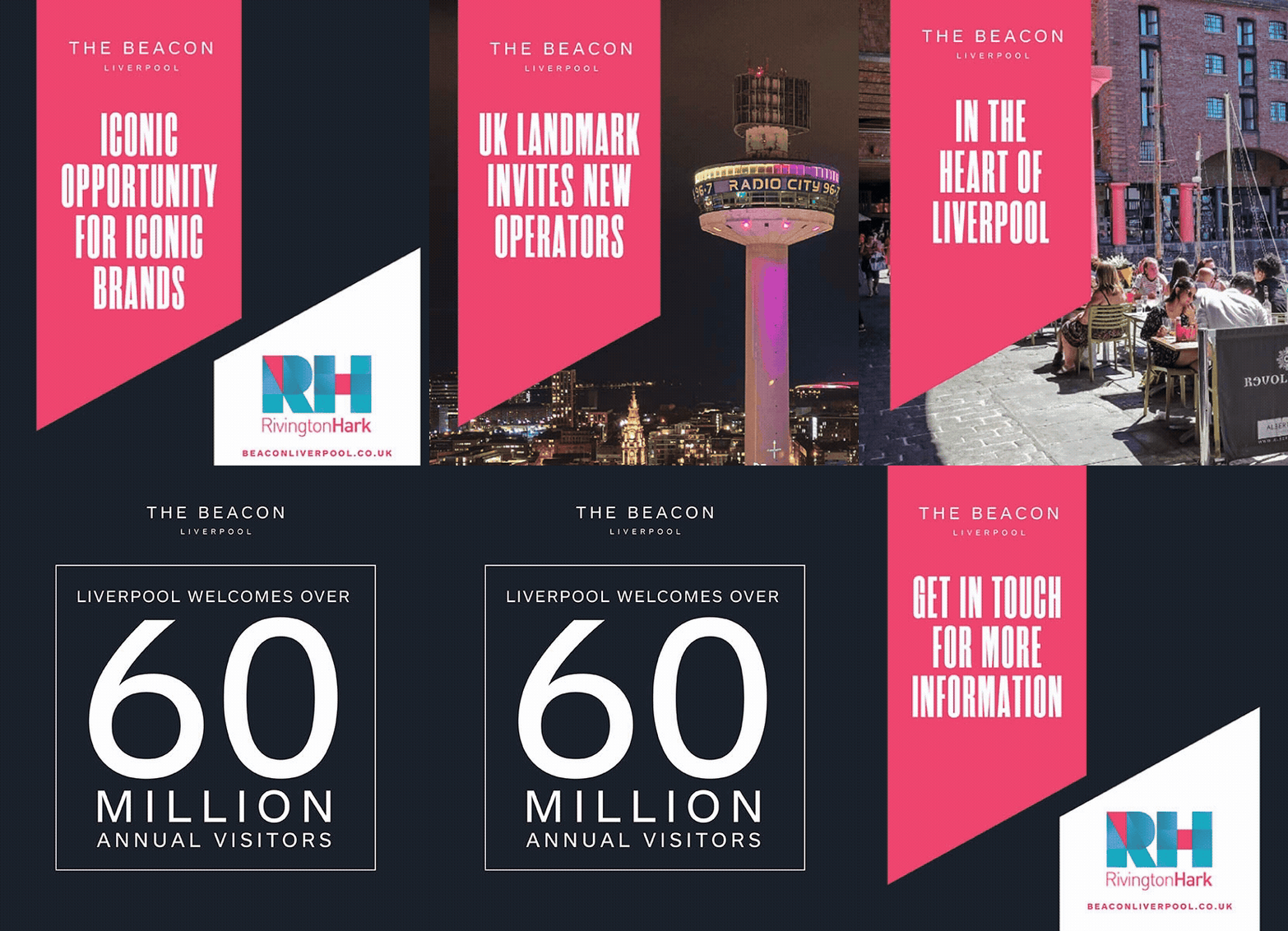
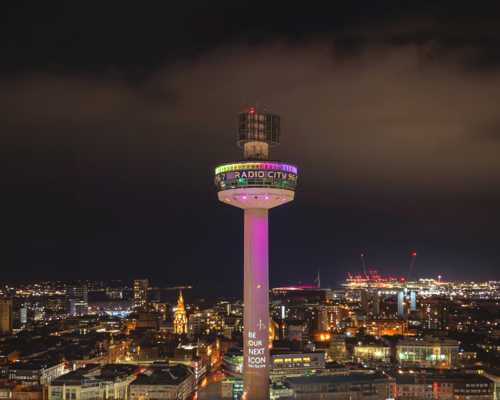
An opportunity to reimagine one of the UK’s most recognisable towers has been formally
opened by Rivington Hark, as St Johns Beacon invites operators and partners to shape its
next phase. [more...]
Inspired by the history, politics, philosophy and sheer energy of the Venetians through the centuries, Alberto – head of third-generation Italian ride manufacturer Antonio Zamperla SpA – is proposing to build a cultural hub in the heart of the historic Italian city.
If permission is granted, the attraction will be built on San Biagio Island in the Venetian Lagoon, formerly the location of the city’s rubbish incinerator.
Zamperla believes that the new gateway attraction will attract 500,000 visitors a year, who will be transported by boat from the city’s rail and cruise ship connections.
What inspired you to build an attraction in the heart of Venice? Lots of people don’t understand how the city came to be, so we plan to tell the story of Venice and to celebrate and record its culture and traditions.
What’s so special about the history of Venice? The Italians love history and we want to give them the chance to find out more about this amazing place. Imagine a city that for 1,000 years has never been occupied – and furthermore, has been democratic the entire time. This is something to celebrate, because Venice shows the power of people working together and there are great lessons – still relevant today – to be learned from the past. For example, when a new Doge [chief magistrate] came to power in Venice, he was democratically elected and at the time of his appointment, the Venetian commissioners assessed his wealth. When he died, they estimated it again and if it had increased, the difference was confiscated by the government. So if the Doge benefited financially from his time in power, his family had to give the money back: what a great example to politicians today!
Can you explain the concept behind the masterplan? The first area will be dedicated to the Venetian Laguna (Lagoon), which was very important in creating the way of life of the Venetians and protecting the city. We want to look at its strategic importance and also its traditions: inside the Laguna there are 50 different methods of fishing, for example, and we need to record them for posterity.
The second area will focus on the history of Venice in past centuries, when it played a pivotal role in Europe, and will feature subjects such as the Battle of Lepanto in 1561, when the Republic of Venice, as a member of the Holy League, took on and defeated Suleiman the Magnificent.
The third area will be about Venice’s famous Mardi Gras. We’re going to celebrate it all year round. There will be people with masques and music and a recreation of the magic of the festival. There will also be a big wheel, giving views of Venice, and the project will have a substantial theatre because a theatre is something that Venice is missing.
We will also be building a garden area. In Venice there’s a lack of places to relax that are green and beautiful. So, we’ll rent the land from the state, create a garden, take care of the security and cleaning and open it for public use. Running a city like Venice is very expensive and the city’s only park is dirty and badly run. Ours will be beautiful.
What barriers have you striven to overcome? I had the vision three years ago, but we had to keep it a secret because we didn’t want to give our enemies time to attack. Politicians are not brave, they wait for the opinion of the public – it’s frustrating. Objections are coming only from the intellectuals. After we went public, those organisations whose aim is to keep traditions alive and to stop things changing came out against it – but we’ve also had good support for the project, so we’re going to press on.
How are your plans progressing? We’re building this cosmopolitan centre in an area that was originally a brownfield site. Under the city’s zoning regulations I can create an amusement development there and it will improve the area. We don’t need planning permission to do that, just a building permit.
At the moment, we’re checking how much cleaning we will need to do and how much weight we can put on the land. We estimate it will cost e8m (£6.5m, US$11m) just to clean the ground, but if we discover it’s going to be more, unfortunately that will scupper the project and we won’t be able to do it. We’re getting on with construction drawings.
When will the cultural visitor attraction open to the public? We want to push on with the scheme and do it quickly. The plan is to open for Mardi Gras 2017 [the ‘Carnevale’ will be on 28 February] if things go well. It would be a two-year project – a year to create the plan and a year to build it.
A new immersive attraction designed to transport visitors into the final hours of ancient Pompeii
is preparing to open near the world-famous archaeological site in southern Italy.
Experience design company, BRC Imagination Arts, has completed a transition that sees founder
Bob Rogers pass ownership of the business to four long-serving senior executives, while
remaining actively involved with the company.
Movie Park Germany has opened a new Paramount Pictures-themed attraction as part of its 30th
anniversary celebrations, using immersive storytelling and adaptive reuse to reinforce the park’s
longstanding “Hollywood in Germany” positioning.
Therme Manchester’s 28-acre development, which will include interconnected glass pavilions
that measure 65,000sq m, will be the largest bathing and wellbeing attraction in the world once
complete, according to prof David Russell, CEO of Therme UK.
Efteling has opened Hooghmoed, a new family drop tower designed to broaden the appeal of its
recently launched Sirene Island themed area and introduce younger visitors to thrill attractions.
A proposed Puy du Fou development near Bicester and Universal Destinations and Experiences’
planned resort in Bedford are emerging as part of a wider transformation of the Oxford–
Cambridge Growth Corridor into a major centre for UK leisure and tourism inv
Shedd Aquarium has opened the Immersion Theater developed in partnership with SimEx-
Iwerks, as part of a wider strategy to enhance the guest experience and create additional
revenue opportunities.
The UK government has announced a temporary reduction in VAT on visitor attractions and
children’s meals as part of a summer cost-of-living support package designed to stimulate the
visitor economy and encourage family days out.
As designer Yinka Ilori prepares for his first solo gallery show in London, he speaks exclusively
to CLADmag about his mission to spread joy, the power of play, and his bold approach to using
colour (including the colours you won’t see in his work).
The government of Thailand is exploring plans for a THB300bn (£6.3bn, US$8.3bn)
entertainment complex in the country’s Eastern Economic Corridor (EEC), with officials
proposing a large-scale theme park and sports destination as part of a broader tourism and
economic development strategy.
An opportunity to reimagine one of the UK’s most recognisable towers has been formally
opened by Rivington Hark, as St Johns Beacon invites operators and partners to shape its
next phase. [more...]