The 40th Ryder Cup, held on the greens of the idyllic Scottish resort Gleneagles, attracted 135,000 spectators and utilised technology to improve fan engagement
By Tom Walker | Published in Sports Management 2014 issue 4
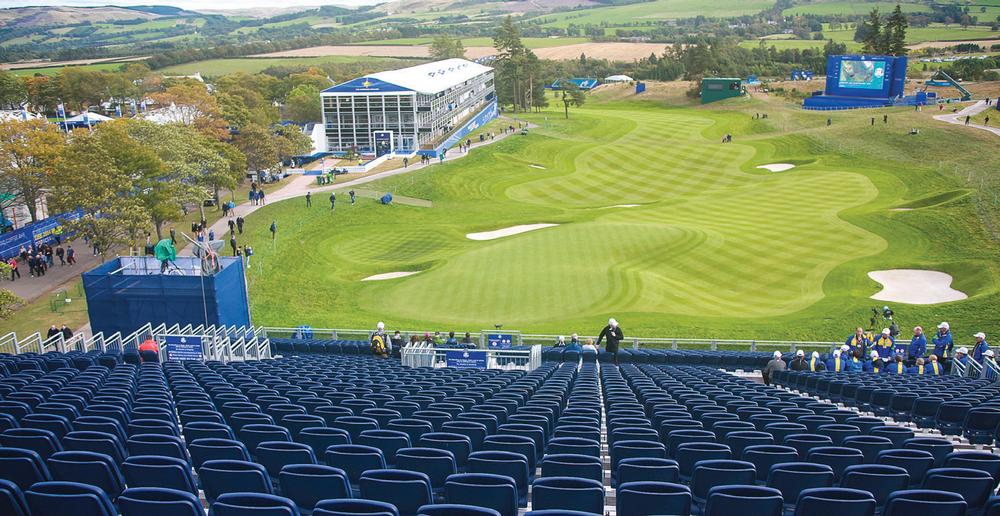
Arena Group provided the spectator seating as well as a three-tier hospitality structure
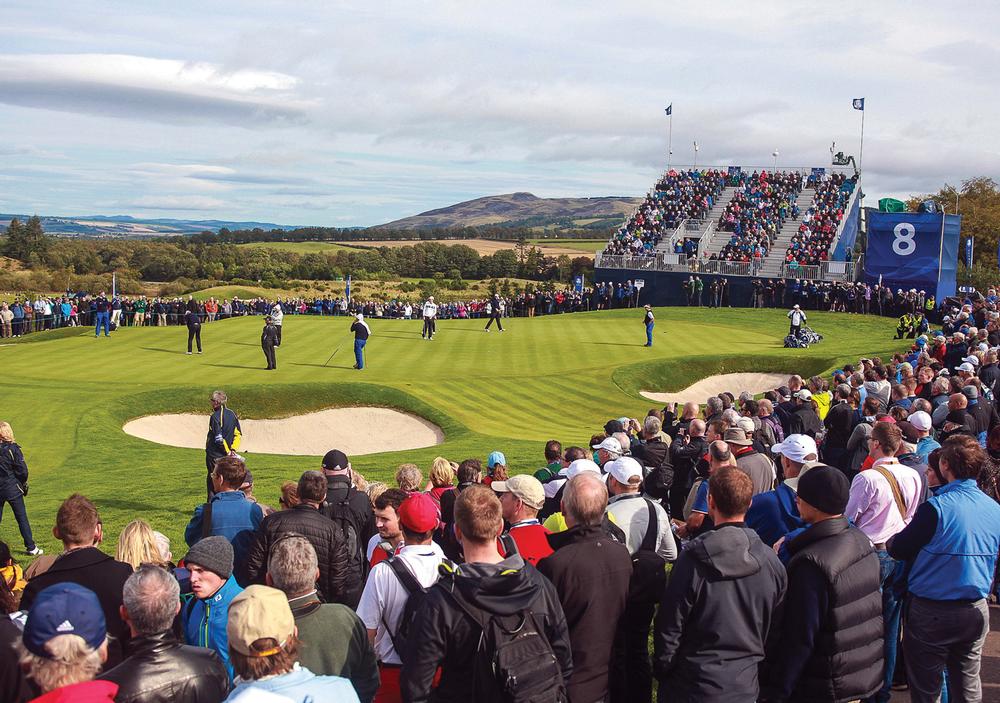
For three days in September, the picturesque Gleneagles Golf Course in Perthshire, Scotland, was transformed into a bustling, vibrant, world-class sporting venue. More than 135,000 spectators and hundreds of support staff were catered for by an impressive network of temporary structures and overlay.
This year’s event was a landmark in the way technology was used to improve fan interaction. As part of that, radio frequency identification (RFID) was used for the very first time.
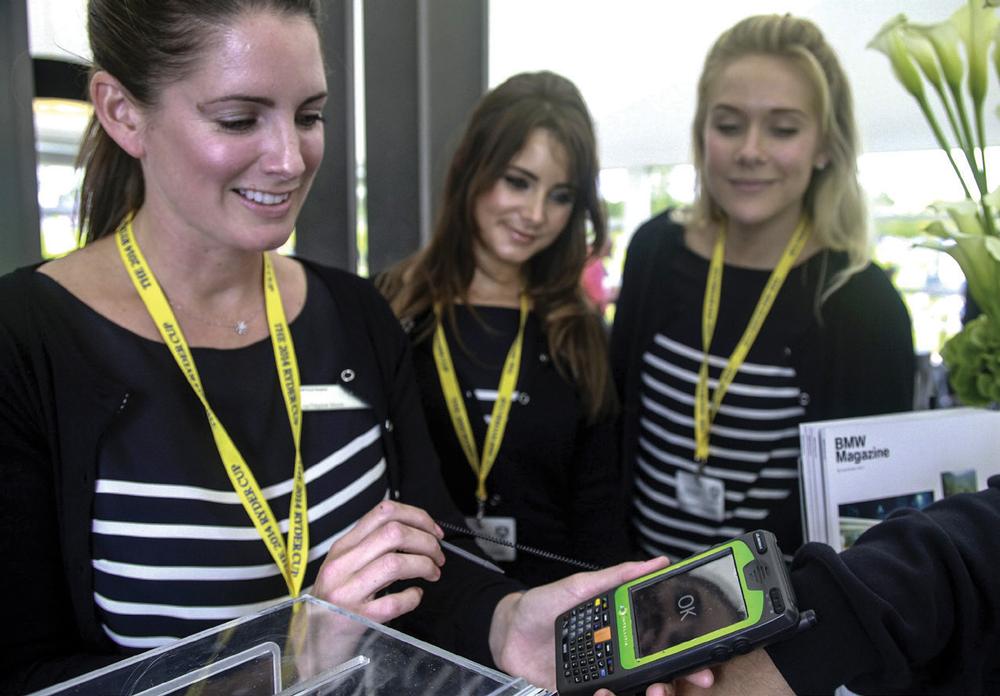
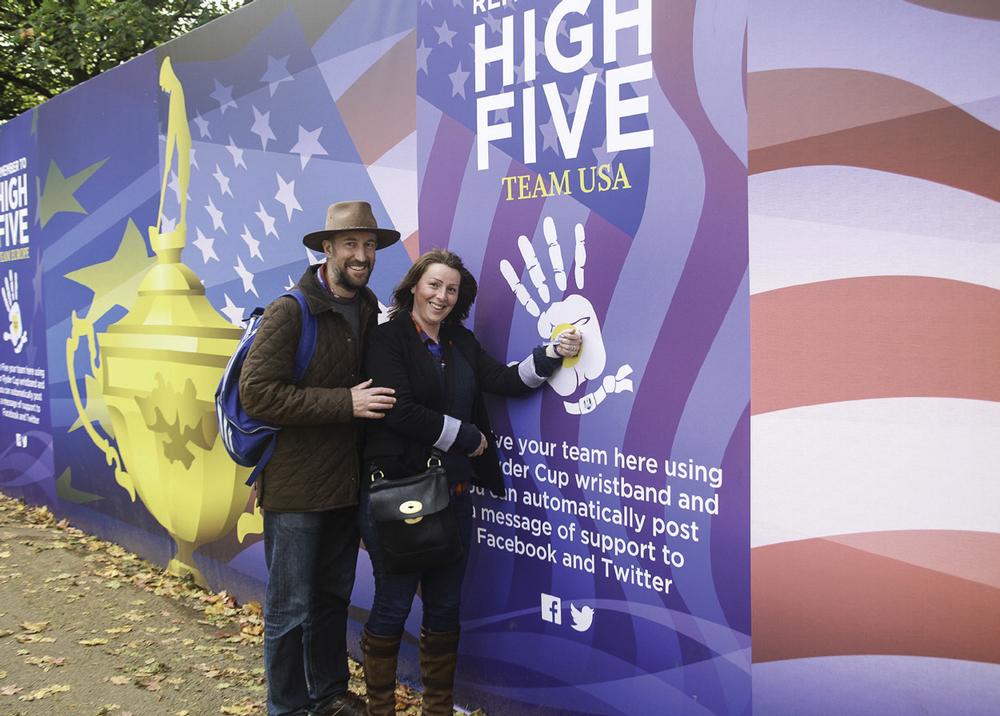
In an initiative managed by Intellitix, more than one hundred thousand visitors were provided with an RFID-enabled “Ryder Cup Experience” wristband, enabling various interactive activities across the course. These included virtually “high five-ing” your chosen team and sharing a message of support on the leader board and personal Facebook and Twitter accounts, which proved a huge success with almost 45,000 interactions.
Tournament partners Standard Life, BMW, Gleneagles and Sky Sports each created their own activities to amplify customer interaction with the brands, while collecting valuable data.
Antonia Beggs, operations director for the 2014 Ryder Cup, said: “Ryder Cup Europe wanted to lift the event this year beyond the standards set previously. As social media, smartphones and mobile internet have become a part of everyday life for our customers, RFID technology seemed a natural choice.
“We’ve had positive feedback from both the audience and sponsors, who are always looking for additional ways to amplify their sponsorship. We’re certain that RFID and the interactivity that it brings will become the future of major sporting events. We’re proud to among the firsts to offer it.”
TAKING A SEAT To accommodate the fans, Arena Seating managed the installation and construction of 14,700 seats across 18 grandstands using the company’s innovative clearview seating system. While parent company Arena Group has a long association with the Ryder Cup organisers – spanning two decades of European tournaments – the clearview is a new addition to the Ryder Cup.
Meanwhile, Arena Group’s structures arm installed 32 temporary buildings around Gleneagles. The triple deck Aviemore Pavilion, overlooking the 18th fairway and green, became a familiar backdrop for those watching the action unfold on TV screens –and provided unri- valled views for corporate partners onto the action of the final hole.
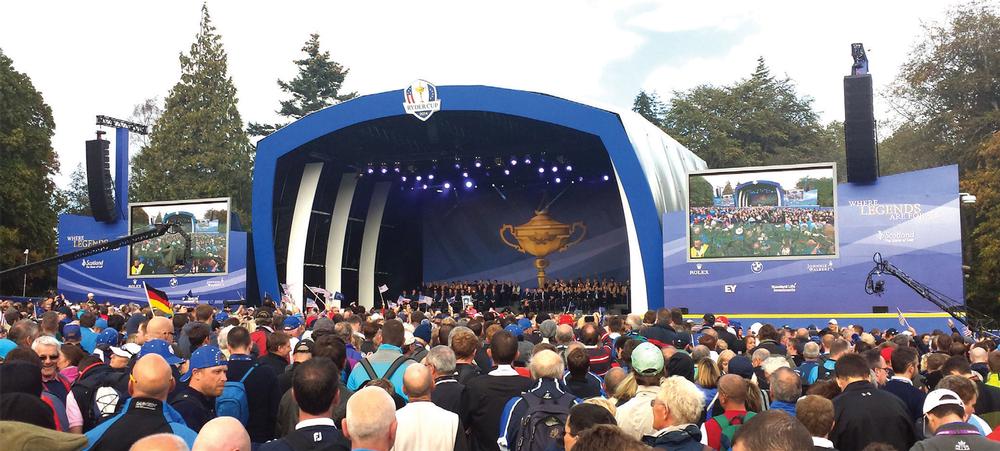
Elsewhere, Serious Stages created the settings for the opening ceremony and celebratory trophy presentation. As part of the stage, the company installed a 22m Supernova roof, with wing extensions for the pipe band, creating a 46m wide space with Ryder Cup branding – a visually stunning feature for the spectators –as well as global TV audiences. The stage, overlooking the 18th hole, was also the location for the culmination of the event – Team Europe’s captain Paul McGinley lifting the Ryder Cup trophy. Commenting on the structures, Ryder Cup match director Edward Kitson said: “Arena made positive contributions as we planned and designed infrastructure for the 2014 Ryder Cup. The company delivered exceptionally well and the quality of product, from premium hospitality, public and media facilities combined with the best grandstand seating we’ve ever seen, ensured a great performance.”
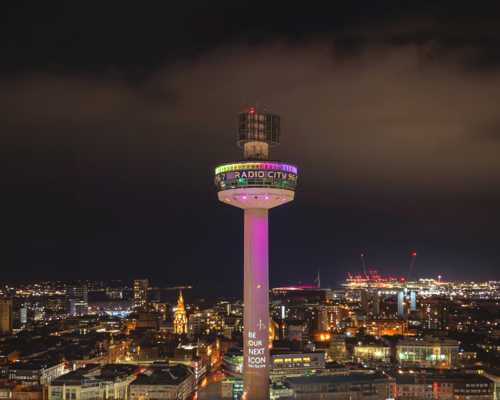
An opportunity to reimagine one of the UK’s most recognisable towers has been formally
opened by Rivington Hark, as St Johns Beacon invites operators and partners to shape its
next phase. [more...]
The 40th Ryder Cup, held on the greens of the idyllic Scottish resort Gleneagles, attracted 135,000 spectators and utilised technology to improve fan engagement
By Tom Walker | Published in Sports Management 2014 issue 4
Arena Group provided the spectator seating as well as a three-tier hospitality structure
For three days in September, the picturesque Gleneagles Golf Course in Perthshire, Scotland, was transformed into a bustling, vibrant, world-class sporting venue. More than 135,000 spectators and hundreds of support staff were catered for by an impressive network of temporary structures and overlay.
This year’s event was a landmark in the way technology was used to improve fan interaction. As part of that, radio frequency identification (RFID) was used for the very first time.
In an initiative managed by Intellitix, more than one hundred thousand visitors were provided with an RFID-enabled “Ryder Cup Experience” wristband, enabling various interactive activities across the course. These included virtually “high five-ing” your chosen team and sharing a message of support on the leader board and personal Facebook and Twitter accounts, which proved a huge success with almost 45,000 interactions.
Tournament partners Standard Life, BMW, Gleneagles and Sky Sports each created their own activities to amplify customer interaction with the brands, while collecting valuable data.
Antonia Beggs, operations director for the 2014 Ryder Cup, said: “Ryder Cup Europe wanted to lift the event this year beyond the standards set previously. As social media, smartphones and mobile internet have become a part of everyday life for our customers, RFID technology seemed a natural choice.
“We’ve had positive feedback from both the audience and sponsors, who are always looking for additional ways to amplify their sponsorship. We’re certain that RFID and the interactivity that it brings will become the future of major sporting events. We’re proud to among the firsts to offer it.”
TAKING A SEAT To accommodate the fans, Arena Seating managed the installation and construction of 14,700 seats across 18 grandstands using the company’s innovative clearview seating system. While parent company Arena Group has a long association with the Ryder Cup organisers – spanning two decades of European tournaments – the clearview is a new addition to the Ryder Cup.
Meanwhile, Arena Group’s structures arm installed 32 temporary buildings around Gleneagles. The triple deck Aviemore Pavilion, overlooking the 18th fairway and green, became a familiar backdrop for those watching the action unfold on TV screens –and provided unri- valled views for corporate partners onto the action of the final hole.
Elsewhere, Serious Stages created the settings for the opening ceremony and celebratory trophy presentation. As part of the stage, the company installed a 22m Supernova roof, with wing extensions for the pipe band, creating a 46m wide space with Ryder Cup branding – a visually stunning feature for the spectators –as well as global TV audiences. The stage, overlooking the 18th hole, was also the location for the culmination of the event – Team Europe’s captain Paul McGinley lifting the Ryder Cup trophy. Commenting on the structures, Ryder Cup match director Edward Kitson said: “Arena made positive contributions as we planned and designed infrastructure for the 2014 Ryder Cup. The company delivered exceptionally well and the quality of product, from premium hospitality, public and media facilities combined with the best grandstand seating we’ve ever seen, ensured a great performance.”
A new immersive attraction designed to transport visitors into the final hours of ancient Pompeii
is preparing to open near the world-famous archaeological site in southern Italy.
Experience design company, BRC Imagination Arts, has completed a transition that sees founder
Bob Rogers pass ownership of the business to four long-serving senior executives, while
remaining actively involved with the company.
Movie Park Germany has opened a new Paramount Pictures-themed attraction as part of its 30th
anniversary celebrations, using immersive storytelling and adaptive reuse to reinforce the park’s
longstanding “Hollywood in Germany” positioning.
Therme Manchester’s 28-acre development, which will include interconnected glass pavilions
that measure 65,000sq m, will be the largest bathing and wellbeing attraction in the world once
complete, according to prof David Russell, CEO of Therme UK.
Efteling has opened Hooghmoed, a new family drop tower designed to broaden the appeal of its
recently launched Sirene Island themed area and introduce younger visitors to thrill attractions.
A proposed Puy du Fou development near Bicester and Universal Destinations and Experiences’
planned resort in Bedford are emerging as part of a wider transformation of the Oxford–
Cambridge Growth Corridor into a major centre for UK leisure and tourism inv
Shedd Aquarium has opened the Immersion Theater developed in partnership with SimEx-
Iwerks, as part of a wider strategy to enhance the guest experience and create additional
revenue opportunities.
The UK government has announced a temporary reduction in VAT on visitor attractions and
children’s meals as part of a summer cost-of-living support package designed to stimulate the
visitor economy and encourage family days out.
As designer Yinka Ilori prepares for his first solo gallery show in London, he speaks exclusively
to CLADmag about his mission to spread joy, the power of play, and his bold approach to using
colour (including the colours you won’t see in his work).
The government of Thailand is exploring plans for a THB300bn (£6.3bn, US$8.3bn)
entertainment complex in the country’s Eastern Economic Corridor (EEC), with officials
proposing a large-scale theme park and sports destination as part of a broader tourism and
economic development strategy.
An opportunity to reimagine one of the UK’s most recognisable towers has been formally
opened by Rivington Hark, as St Johns Beacon invites operators and partners to shape its
next phase. [more...]