Going to the gym can make you fat – that’s what the UK’s media would have us believe.
Recent headlines have been full of sensational health claims based on comments by Dr Michael Mosley, the 5:2 diet advocate and TV’s go-to health expert. For example, a Daily Mail feature following his appearance on ITV’s This Morning claimed people never lose weight from going to the gym; that the ‘endorphin rush’ of exercise is a myth; and that, even if people do exercise, they may not get fitter.
Is there a case to answer here? Fundamentally no, and to the last point as an example, while it’s true some people will respond better to exercise and gain quicker results than others, research shows even so-called ‘exercise non-responders’ get important benefits from exercise. The key is to tailor programmes to allow for individual body types.
But that’s completely missing the point. The overall message, and the media’s interpretation of it – with headlines in the Mail such as ‘Going to the gym can make you fatter’ – was damaging and irresponsible. Given the UK’s well reported inactivity pandemic, why give people a justification to reject exercise before they even start? As ukactive CEO Dave Stalker said: “These kinds of ill-informed comments set us back years by inaccurately skewing the accepted wisdom for thousands of consumers.”
Because people listen to those held up by the media as ‘health gurus’, especially when their name is preceded by the title of doctor. If someone in this position urges people not to exercise but to diet, offering them a novel way to do so – such as the 5:2 diet – this is what they’re likely to do.
But in the process, they would miss out on all the other scientifically proven benefits of exercise that go far beyond weight loss: the prevention of cancer, diabetes and other chronic diseases, as well as mental health conditions such as depression and Alzheimer’s, to name just a few.
The fitness industry has rightly been up in arms. “It’s extremely troubling when so-called experts make controversial statements which secure column inches and book sales but which will ultimately damage our already poor public health,” said Gym Group CEO John Treharne, while Leisure Media’s Liz Terry observed: “Journalists need to be more responsible about the way they report on these challenges or we will end up drowning in a sea of fat.”
Certainly we need more consistent, responsible journalism from the nation’s most-read titles. Only in July, the Mail ran a story with the headline: ‘Lack of exercise is to blame for bulging waistlines and obesity epidemic, NOT eating more calories.’ Such inconsistency is sloppy and confuses people.
And when it comes to the experts, rather than competing for the obesity buck, we need a more collaborative approach, acknowledging that exercise and diet are two sides of the same coin; as our sector has always maintained, it’s all about calories in = calories out.
At a time when the nation is dying from obesity and related conditions, it’s quite simply irresponsible for the media to give people grounds to opt out of activity.
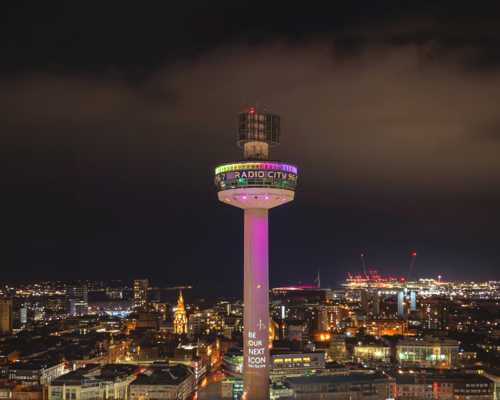
An opportunity to reimagine one of the UK’s most recognisable towers has been formally
opened by Rivington Hark, as St Johns Beacon invites operators and partners to shape its
next phase. [more...]
Going to the gym can make you fat – that’s what the UK’s media would have us believe.
Recent headlines have been full of sensational health claims based on comments by Dr Michael Mosley, the 5:2 diet advocate and TV’s go-to health expert. For example, a Daily Mail feature following his appearance on ITV’s This Morning claimed people never lose weight from going to the gym; that the ‘endorphin rush’ of exercise is a myth; and that, even if people do exercise, they may not get fitter.
Is there a case to answer here? Fundamentally no, and to the last point as an example, while it’s true some people will respond better to exercise and gain quicker results than others, research shows even so-called ‘exercise non-responders’ get important benefits from exercise. The key is to tailor programmes to allow for individual body types.
But that’s completely missing the point. The overall message, and the media’s interpretation of it – with headlines in the Mail such as ‘Going to the gym can make you fatter’ – was damaging and irresponsible. Given the UK’s well reported inactivity pandemic, why give people a justification to reject exercise before they even start? As ukactive CEO Dave Stalker said: “These kinds of ill-informed comments set us back years by inaccurately skewing the accepted wisdom for thousands of consumers.”
Because people listen to those held up by the media as ‘health gurus’, especially when their name is preceded by the title of doctor. If someone in this position urges people not to exercise but to diet, offering them a novel way to do so – such as the 5:2 diet – this is what they’re likely to do.
But in the process, they would miss out on all the other scientifically proven benefits of exercise that go far beyond weight loss: the prevention of cancer, diabetes and other chronic diseases, as well as mental health conditions such as depression and Alzheimer’s, to name just a few.
The fitness industry has rightly been up in arms. “It’s extremely troubling when so-called experts make controversial statements which secure column inches and book sales but which will ultimately damage our already poor public health,” said Gym Group CEO John Treharne, while Leisure Media’s Liz Terry observed: “Journalists need to be more responsible about the way they report on these challenges or we will end up drowning in a sea of fat.”
Certainly we need more consistent, responsible journalism from the nation’s most-read titles. Only in July, the Mail ran a story with the headline: ‘Lack of exercise is to blame for bulging waistlines and obesity epidemic, NOT eating more calories.’ Such inconsistency is sloppy and confuses people.
And when it comes to the experts, rather than competing for the obesity buck, we need a more collaborative approach, acknowledging that exercise and diet are two sides of the same coin; as our sector has always maintained, it’s all about calories in = calories out.
At a time when the nation is dying from obesity and related conditions, it’s quite simply irresponsible for the media to give people grounds to opt out of activity.
Hotel de France, located on the British Isle of Jersey, has created a wellness retreat package
that includes a hot yoga session that will take place in Jersey Zoo’s butterfly sanctuary.
A new immersive attraction designed to transport visitors into the final hours of ancient Pompeii
is preparing to open near the world-famous archaeological site in southern Italy.
Experience design company, BRC Imagination Arts, has completed a transition that sees founder
Bob Rogers pass ownership of the business to four long-serving senior executives, while
remaining actively involved with the company.
Movie Park Germany has opened a new Paramount Pictures-themed attraction as part of its 30th
anniversary celebrations, using immersive storytelling and adaptive reuse to reinforce the park’s
longstanding “Hollywood in Germany” positioning.
Therme Manchester’s 28-acre development, which will include interconnected glass pavilions
that measure 65,000sq m, will be the largest bathing and wellbeing attraction in the world once
complete, according to prof David Russell, CEO of Therme UK.
Efteling has opened Hooghmoed, a new family drop tower designed to broaden the appeal of its
recently launched Sirene Island themed area and introduce younger visitors to thrill attractions.
A proposed Puy du Fou development near Bicester and Universal Destinations and Experiences’
planned resort in Bedford are emerging as part of a wider transformation of the Oxford–
Cambridge Growth Corridor into a major centre for UK leisure and tourism inv
Shedd Aquarium has opened the Immersion Theater developed in partnership with SimEx-
Iwerks, as part of a wider strategy to enhance the guest experience and create additional
revenue opportunities.
The UK government has announced a temporary reduction in VAT on visitor attractions and
children’s meals as part of a summer cost-of-living support package designed to stimulate the
visitor economy and encourage family days out.
As designer Yinka Ilori prepares for his first solo gallery show in London, he speaks exclusively
to CLADmag about his mission to spread joy, the power of play, and his bold approach to using
colour (including the colours you won’t see in his work).
The government of Thailand is exploring plans for a THB300bn (£6.3bn, US$8.3bn)
entertainment complex in the country’s Eastern Economic Corridor (EEC), with officials
proposing a large-scale theme park and sports destination as part of a broader tourism and
economic development strategy.
+ More news
COMPANY PROFILES
Sally Corporation Our services include: Dark ride design & build; Redevelopment of existing attractions; High-quality [more...]
Clip 'n Climb Clip ‘n Climb currently offers facility owners and
investors more than 40 colourful and unique
Cha [more...]
Taylor Made Designs Founded in 1993, Taylor Made
Designs supply corporate clothing
and brand-enhancing merchandise
to [more...]
Alterface Alterface’s Creative Division team is
seasoned in concept and ride development,
as well as storyte [more...]
An opportunity to reimagine one of the UK’s most recognisable towers has been formally
opened by Rivington Hark, as St Johns Beacon invites operators and partners to shape its
next phase. [more...]