Pure Gym pulled back from its flotation due to post-Brexit volatility
Writing our annual feature for the Health Club Management Handbook always gives me an enjoyable chance to reflect on the last 12 months and look ahead to the opportunities for the sector in the coming year.
This time last year, I pondered the growth prospects of big-name operators in 2016. The successful IPOs of Basic-Fit and Technogym in 2016, alongside a whole flurry of other major deals, demonstrate a sector that’s becoming increasingly attractive to investors.
Pure Gym – the biggest private sector operator in the UK – may have pulled back from its own flotation in October due to post-Brexit volatility in the IPO market, but once some calm is restored, it’s reasonable to anticipate another big-name IPO, most likely outside the budget gym sector.
And while economic uncertainty surrounding Brexit may continue, the physical activity sector looks well placed to weather the storm – and indeed, thrive. It will likely continue to expand next year, building on an estimated £1.1bn (€1.3bn, US$1.4bn) growth in value over the course of 2016 (source: ukactive’s Rise of the Activity Sector report).
Sharing data In society, the way we work out has become part of our broader personal identity. Physical activity providers are becoming more tailored with their offerings, while activity is beginning to form a larger part of our social experiences. For many, gone are the days of three pints of beer in the pub after work; in comes post-workout smoothies with the rest of your HIIT class. This trend towards a more identity-driven, close-knit community united around physical activity will continue as fitness centres become lifestyle hubs offering social experiences, rather than just a place to work up a sweat.
I’m excited by the potential of technology too, not only to deliver opportunities as yet unimagined, but also to address some of the traditional challenges in our sector. For example, we can expect virtual reality (VR) taster experiences or virtual inductions to be offered through VR headsets, even before the doors to a new club are opened.
In the near future, the impact of VR will be even more exciting. Not just yet, but certainly soon, VR will enable customers to run their 1,500m warm-up alongside Mo Farah, before cycling through the craters on the moon and rounding off their workout with some soothing stretches on the shores of Lake Como.
We’re also about to head into a whole new era of wearables. In 2017, “I think I’m all right” will cease to apply as an answer when gym members are asked how they’re doing. Customers know exactly how they are. A wide array of data trackers means people are already better informed about their physical state than ever before.
Soon they’ll have support from the neck up too, with data about their mental and emotional state and the impact that has on their energy levels, mood and perceptions of stress. We will very accurately know when we should ideally grab that lunchtime snack, when we are ill and whether we should get an extra hour or two of sleep.
Our role as activity providers: to openly integrate this data into the exercise and broader customer experiences we offer.
So expect a gradual greater willingness within the activity sector to pool knowledge and share data, as operators recognise the mutual benefits of collaborative analysis of the market.
Indeed, we can expect the health and fitness industry as whole to become more forward-thinking: there will be increased provision for R&D and innovation, both to gain a competitive edge and to highlight the positive impact the sector as a whole can have on our society.
Public meets private The blurring of traditional lines in the sector will continue as social enterprises start to acquire sites previously owned by the private sector: GLL’s recently acquired share of Fitness First UK is a good example. Expansive strategies from social enterprises and operators previously restrained to the public sector market will see them growing beyond the remit of local authority contracts, opening new facilities independently and acquiring further free-standing facilities. The mega-trusts’ success in delivering local authority agendas, and their experience of the tender process, will likely see them win further contracts and attract investment from increasingly diverse sources as Sport England’s new strategy – which addresses inactivity is its primary focus – opens up new opportunities.
Meanwhile, regional and local operators that are embedded in their communities, and geared to the intimate needs of local people, will be able to deliver excellent results. There’s a window of opportunity for a renaissance in the prospects of these local trusts, perhaps bolstered by increasing regional devolution for cities across the UK.
Their local roots afford them a head-start in aligning themselves closely with national and local government health and sports strategies. Success in delivering these strategies offers greater independence for local trusts in terms of attracting wider public investment and building their own future framework for growth.
The growing alignment of our sector with both the public health and sport agenda also offers great new opportunities. ukactive has called for a £1bn (€1.16bn, US$1.24bn) regeneration programme to push Britain’s ageing fleet of leisure centres into the front-line of the NHS preventative health agenda. Our sector is more ready than ever to meet this challenge. Expect to see greater interest in major capital investment programmes in our sector as a result.
Workforce development Professional standards across the sector will continue to rise, from the boardroom right down to the gym floor. The incoming Apprenticeship Levy, coupled with the National Living Wage, means the recruitment and training of staff has become a board-level issue, with an increased focus on obtaining maximum return on (higher) investment in workforces.
The role of CIMSPA to drive standards will help raise the bar among the workforce and continue the push towards a fully professionalised sector. Meanwhile, ukactive’s Future Leaders programme offers an opportunity for the sector to handpick its brightest talents and improve their ability to think strategically about the issues facing the sector today, tomorrow and far into the future. Thanks to the new Matrix LeadAbility Scholarship Programme, Future Leaders places will be offered to talented people with disabilities within the sector to ensure that the senior leadership level becomes more inclusive and representative of our society, its needs and desires.
In summary, the physical activity sector’s unique position at the apex between the health, fitness, sport, technology and fashion industries will bring a raft of new opportunities. Through closer collaboration, a stronger evidence base and higher professional standards, I’m confident that 2017 will see our sector move forward at an increasingly fast pace.
Basic-Fit’s successful IPO in 2016 demonstrates a sector that’s becoming increasingly attractive to investors
Post-workout smoothies after your HIIT class is the new ‘pint at the pub’ / Photo: SHUTTERSTOCK.COM
Employing talented people with disabilities in senior leadership roles will create a more representative health and fitness sector / Photo: SHUTTERSTOCK.COM
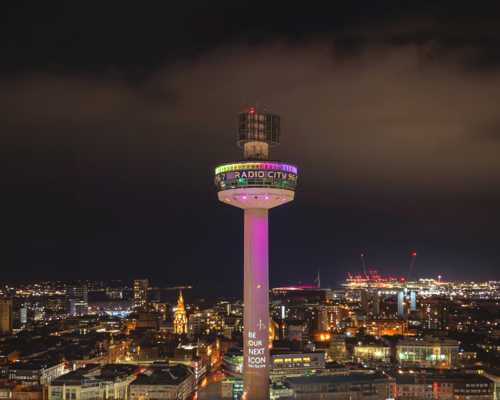
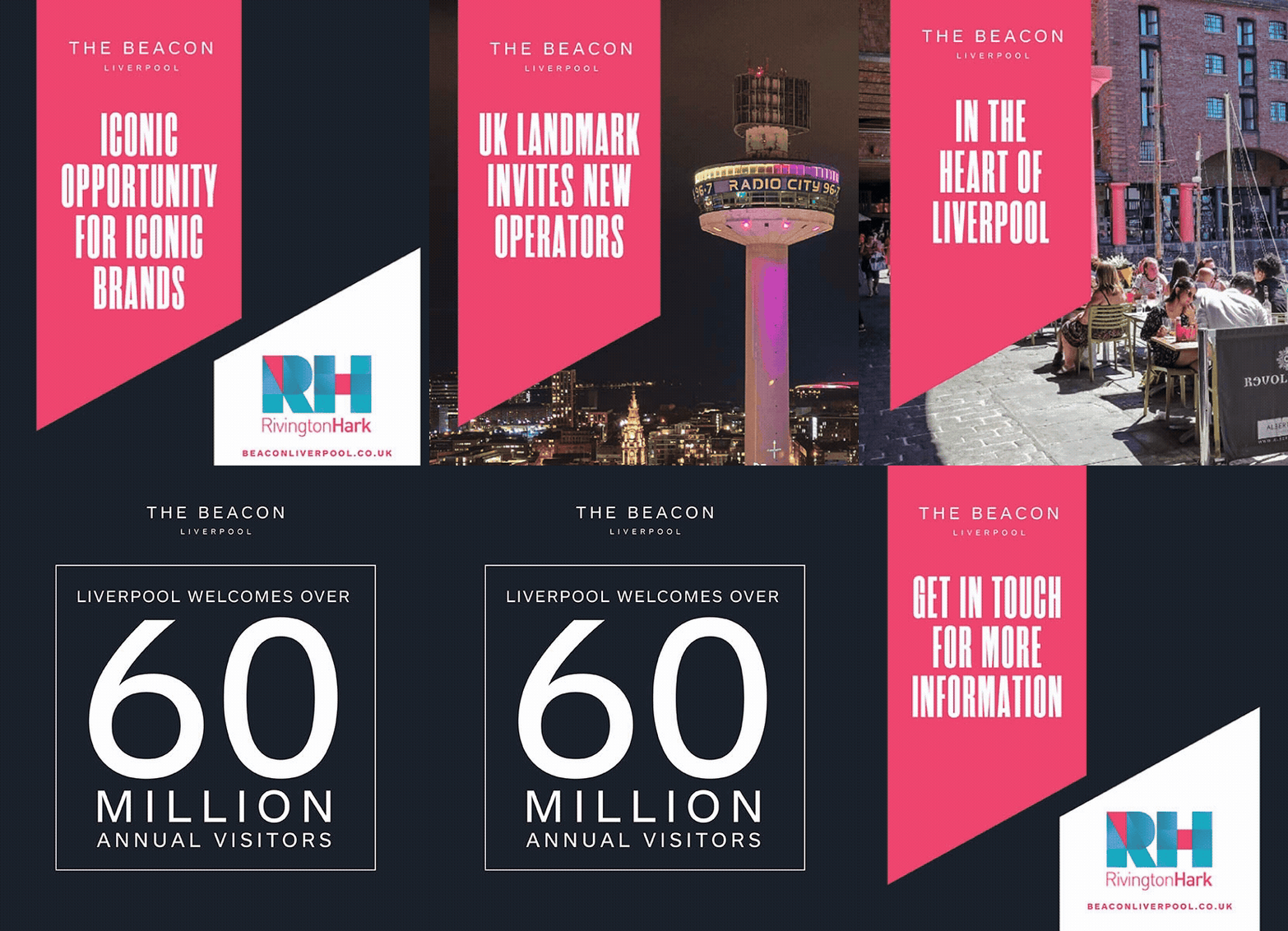
An opportunity to reimagine one of the UK’s most recognisable towers has been formally
opened by Rivington Hark, as St Johns Beacon invites operators and partners to shape its
next phase. [more...]
Pure Gym pulled back from its flotation due to post-Brexit volatility
Writing our annual feature for the Health Club Management Handbook always gives me an enjoyable chance to reflect on the last 12 months and look ahead to the opportunities for the sector in the coming year.
This time last year, I pondered the growth prospects of big-name operators in 2016. The successful IPOs of Basic-Fit and Technogym in 2016, alongside a whole flurry of other major deals, demonstrate a sector that’s becoming increasingly attractive to investors.
Pure Gym – the biggest private sector operator in the UK – may have pulled back from its own flotation in October due to post-Brexit volatility in the IPO market, but once some calm is restored, it’s reasonable to anticipate another big-name IPO, most likely outside the budget gym sector.
And while economic uncertainty surrounding Brexit may continue, the physical activity sector looks well placed to weather the storm – and indeed, thrive. It will likely continue to expand next year, building on an estimated £1.1bn (€1.3bn, US$1.4bn) growth in value over the course of 2016 (source: ukactive’s Rise of the Activity Sector report).
Sharing data In society, the way we work out has become part of our broader personal identity. Physical activity providers are becoming more tailored with their offerings, while activity is beginning to form a larger part of our social experiences. For many, gone are the days of three pints of beer in the pub after work; in comes post-workout smoothies with the rest of your HIIT class. This trend towards a more identity-driven, close-knit community united around physical activity will continue as fitness centres become lifestyle hubs offering social experiences, rather than just a place to work up a sweat.
I’m excited by the potential of technology too, not only to deliver opportunities as yet unimagined, but also to address some of the traditional challenges in our sector. For example, we can expect virtual reality (VR) taster experiences or virtual inductions to be offered through VR headsets, even before the doors to a new club are opened.
In the near future, the impact of VR will be even more exciting. Not just yet, but certainly soon, VR will enable customers to run their 1,500m warm-up alongside Mo Farah, before cycling through the craters on the moon and rounding off their workout with some soothing stretches on the shores of Lake Como.
We’re also about to head into a whole new era of wearables. In 2017, “I think I’m all right” will cease to apply as an answer when gym members are asked how they’re doing. Customers know exactly how they are. A wide array of data trackers means people are already better informed about their physical state than ever before.
Soon they’ll have support from the neck up too, with data about their mental and emotional state and the impact that has on their energy levels, mood and perceptions of stress. We will very accurately know when we should ideally grab that lunchtime snack, when we are ill and whether we should get an extra hour or two of sleep.
Our role as activity providers: to openly integrate this data into the exercise and broader customer experiences we offer.
So expect a gradual greater willingness within the activity sector to pool knowledge and share data, as operators recognise the mutual benefits of collaborative analysis of the market.
Indeed, we can expect the health and fitness industry as whole to become more forward-thinking: there will be increased provision for R&D and innovation, both to gain a competitive edge and to highlight the positive impact the sector as a whole can have on our society.
Public meets private The blurring of traditional lines in the sector will continue as social enterprises start to acquire sites previously owned by the private sector: GLL’s recently acquired share of Fitness First UK is a good example. Expansive strategies from social enterprises and operators previously restrained to the public sector market will see them growing beyond the remit of local authority contracts, opening new facilities independently and acquiring further free-standing facilities. The mega-trusts’ success in delivering local authority agendas, and their experience of the tender process, will likely see them win further contracts and attract investment from increasingly diverse sources as Sport England’s new strategy – which addresses inactivity is its primary focus – opens up new opportunities.
Meanwhile, regional and local operators that are embedded in their communities, and geared to the intimate needs of local people, will be able to deliver excellent results. There’s a window of opportunity for a renaissance in the prospects of these local trusts, perhaps bolstered by increasing regional devolution for cities across the UK.
Their local roots afford them a head-start in aligning themselves closely with national and local government health and sports strategies. Success in delivering these strategies offers greater independence for local trusts in terms of attracting wider public investment and building their own future framework for growth.
The growing alignment of our sector with both the public health and sport agenda also offers great new opportunities. ukactive has called for a £1bn (€1.16bn, US$1.24bn) regeneration programme to push Britain’s ageing fleet of leisure centres into the front-line of the NHS preventative health agenda. Our sector is more ready than ever to meet this challenge. Expect to see greater interest in major capital investment programmes in our sector as a result.
Workforce development Professional standards across the sector will continue to rise, from the boardroom right down to the gym floor. The incoming Apprenticeship Levy, coupled with the National Living Wage, means the recruitment and training of staff has become a board-level issue, with an increased focus on obtaining maximum return on (higher) investment in workforces.
The role of CIMSPA to drive standards will help raise the bar among the workforce and continue the push towards a fully professionalised sector. Meanwhile, ukactive’s Future Leaders programme offers an opportunity for the sector to handpick its brightest talents and improve their ability to think strategically about the issues facing the sector today, tomorrow and far into the future. Thanks to the new Matrix LeadAbility Scholarship Programme, Future Leaders places will be offered to talented people with disabilities within the sector to ensure that the senior leadership level becomes more inclusive and representative of our society, its needs and desires.
In summary, the physical activity sector’s unique position at the apex between the health, fitness, sport, technology and fashion industries will bring a raft of new opportunities. Through closer collaboration, a stronger evidence base and higher professional standards, I’m confident that 2017 will see our sector move forward at an increasingly fast pace.
Basic-Fit’s successful IPO in 2016 demonstrates a sector that’s becoming increasingly attractive to investors
Post-workout smoothies after your HIIT class is the new ‘pint at the pub’ / Photo: SHUTTERSTOCK.COM
Employing talented people with disabilities in senior leadership roles will create a more representative health and fitness sector / Photo: SHUTTERSTOCK.COM
A new immersive attraction designed to transport visitors into the final hours of ancient Pompeii
is preparing to open near the world-famous archaeological site in southern Italy.
Experience design company, BRC Imagination Arts, has completed a transition that sees founder
Bob Rogers pass ownership of the business to four long-serving senior executives, while
remaining actively involved with the company.
Movie Park Germany has opened a new Paramount Pictures-themed attraction as part of its 30th
anniversary celebrations, using immersive storytelling and adaptive reuse to reinforce the park’s
longstanding “Hollywood in Germany” positioning.
Therme Manchester’s 28-acre development, which will include interconnected glass pavilions
that measure 65,000sq m, will be the largest bathing and wellbeing attraction in the world once
complete, according to prof David Russell, CEO of Therme UK.
Efteling has opened Hooghmoed, a new family drop tower designed to broaden the appeal of its
recently launched Sirene Island themed area and introduce younger visitors to thrill attractions.
A proposed Puy du Fou development near Bicester and Universal Destinations and Experiences’
planned resort in Bedford are emerging as part of a wider transformation of the Oxford–
Cambridge Growth Corridor into a major centre for UK leisure and tourism inv
Shedd Aquarium has opened the Immersion Theater developed in partnership with SimEx-
Iwerks, as part of a wider strategy to enhance the guest experience and create additional
revenue opportunities.
The UK government has announced a temporary reduction in VAT on visitor attractions and
children’s meals as part of a summer cost-of-living support package designed to stimulate the
visitor economy and encourage family days out.
As designer Yinka Ilori prepares for his first solo gallery show in London, he speaks exclusively
to CLADmag about his mission to spread joy, the power of play, and his bold approach to using
colour (including the colours you won’t see in his work).
The government of Thailand is exploring plans for a THB300bn (£6.3bn, US$8.3bn)
entertainment complex in the country’s Eastern Economic Corridor (EEC), with officials
proposing a large-scale theme park and sports destination as part of a broader tourism and
economic development strategy.
An opportunity to reimagine one of the UK’s most recognisable towers has been formally
opened by Rivington Hark, as St Johns Beacon invites operators and partners to shape its
next phase. [more...]