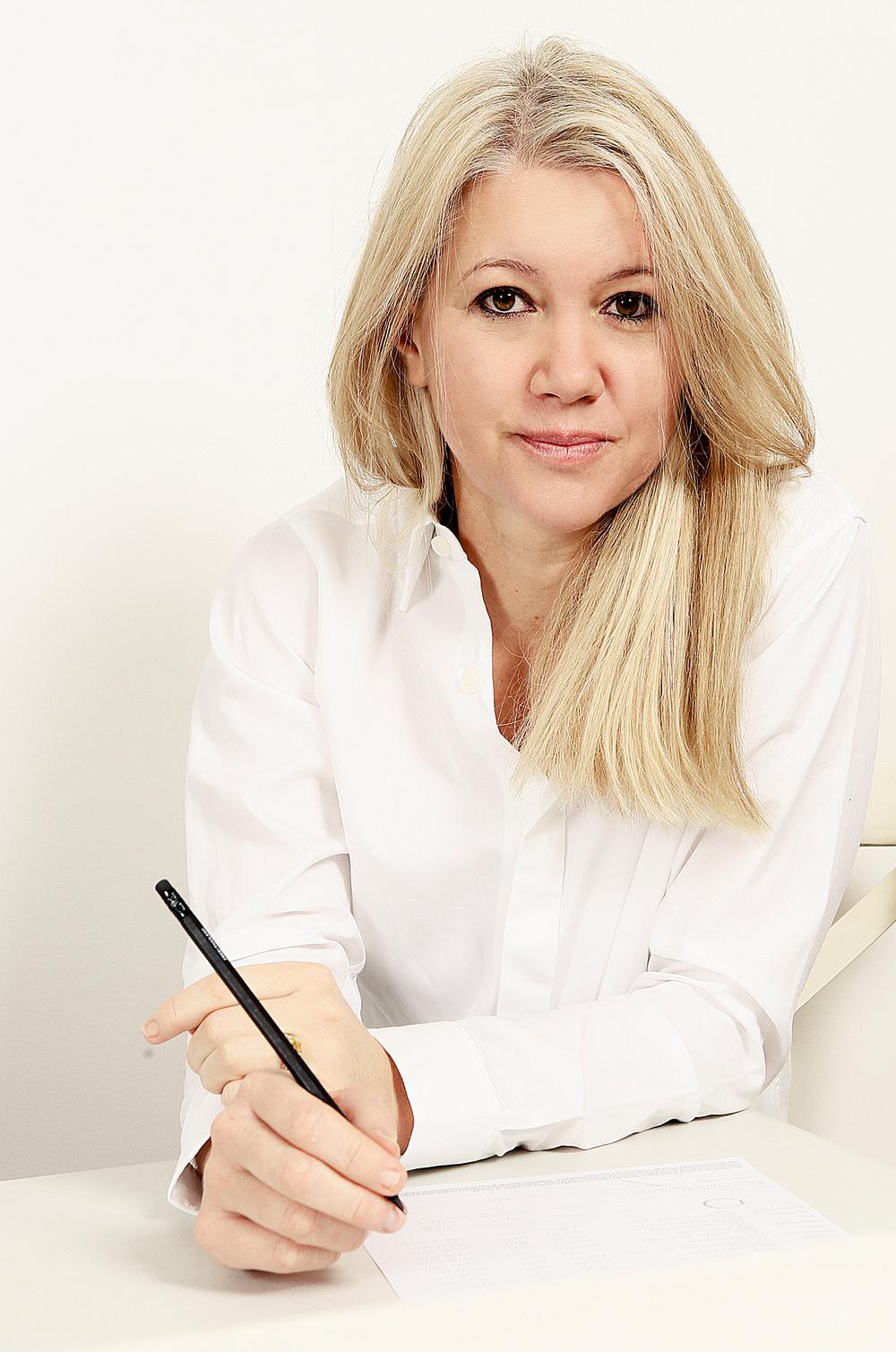
Inge Moore has called on hospitality designers to incorporate fun, interactivity and individuality into spa and gym design.
The interior designer – who is in the process of launching bespoke hospitality design studio MUSE after leaving Hirsch Bedner Associates (HBA) – told CLAD that spa and fitness spaces have been “totally neglected” in the past, but are now coming to be seen as essential parts of the hotel experience.
“The whole way we’re thinking about our travel experience is changing,” she said. “These days when we stay at a nice place we expect there to be great spa, gym, fitness facilities and yoga. The better you can deliver those spaces, the more special you make people’s experience.
“For too long spas and gyms were the last space on everyone’s programme, with the few rooms left at the end turned into the gym. Now the demand is for them to be more than just rows and rows of exercise machines. They should be super fun areas to socialise and learn.
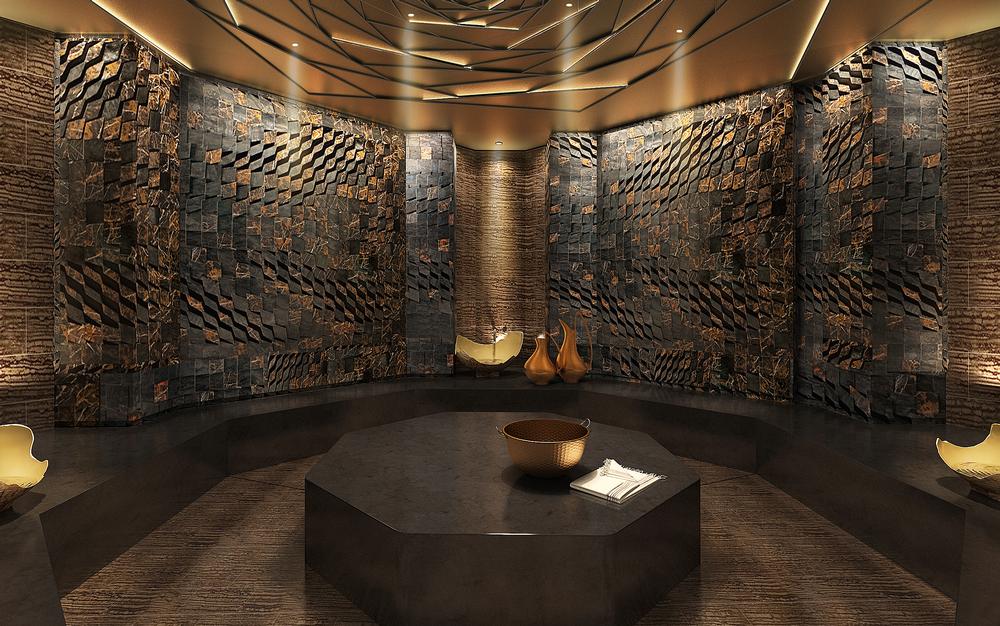
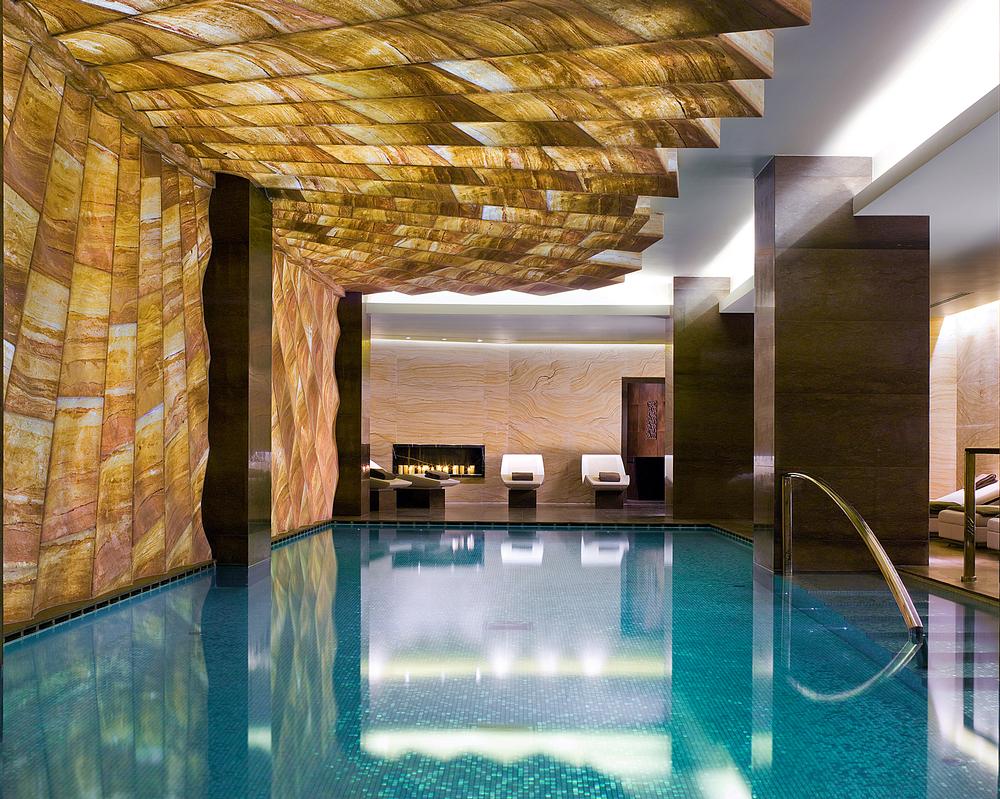
“This can be achieved through the lighting, textures and materials you use and by bringing in the narrative of the resort into these spaces. There are lots of opportunities to really push the design of these areas further.”
Moore has previously designed a host of hospitality projects with HBA – who will invest in MUSE, despite it being a standalone company – including the renovation of London’s Grosvenor House for JW Marriott, a luxury sleeper train for Belmond in Ireland and the Belmond Eagle Island Safari Lodge in Botswana. With the new studio, Moore, co-founder Nathan Hutchins and their team of 15 are working on a spa resort in Goa, a new hotel in Ibiza and another luxury train for Belmond, this time in Peru.
STANDING OUT Individuality is the feature that unifies all of these projects, Moore told CLAD.
“The design standard in hotels has gone way beyond what it was 10 years ago,” she said. “There’s so much competition within the hospitality space that everyone wants a unique project, whether it’s a Hyatt, a Four Seasons or a Marriott.
“It’s so important to stand out. Everywhere you go, there are good hotels and countless Airbnbs, so yours needs to be special. People choose to stay at the more interesting spaces, especially now the world’s become much more visual, with social media and everyone sending selfies of the places they visit. That creates a huge opportunity for designers to make beautiful spaces that also make people feel good.”
Asked how MUSE will create uniqueness in spas and gyms, Moore said the key is delivering a story, as well as allowing guests to receive a fun lesson or experience. “People increasingly want to learn about health and wellbeing through spaces where you do some interactive things together,” she said.
“For example, you can learn why it’s good to eat certain foods or to exercise in a certain way. Our idea is you go to a hotel and learn or experience something new. By presenting this in a fun, interactive way that includes spaces for people across the age spectrum you can create really interesting, memorable experiences.”
Inge Moore has called on hospitality designers to incorporate fun, interactivity and individuality into spa and gym design.
The interior designer – who is in the process of launching bespoke hospitality design studio MUSE after leaving Hirsch Bedner Associates (HBA) – told CLAD that spa and fitness spaces have been “totally neglected” in the past, but are now coming to be seen as essential parts of the hotel experience.
“The whole way we’re thinking about our travel experience is changing,” she said. “These days when we stay at a nice place we expect there to be great spa, gym, fitness facilities and yoga. The better you can deliver those spaces, the more special you make people’s experience.
“For too long spas and gyms were the last space on everyone’s programme, with the few rooms left at the end turned into the gym. Now the demand is for them to be more than just rows and rows of exercise machines. They should be super fun areas to socialise and learn.
“This can be achieved through the lighting, textures and materials you use and by bringing in the narrative of the resort into these spaces. There are lots of opportunities to really push the design of these areas further.”
Moore has previously designed a host of hospitality projects with HBA – who will invest in MUSE, despite it being a standalone company – including the renovation of London’s Grosvenor House for JW Marriott, a luxury sleeper train for Belmond in Ireland and the Belmond Eagle Island Safari Lodge in Botswana. With the new studio, Moore, co-founder Nathan Hutchins and their team of 15 are working on a spa resort in Goa, a new hotel in Ibiza and another luxury train for Belmond, this time in Peru.
STANDING OUT Individuality is the feature that unifies all of these projects, Moore told CLAD.
“The design standard in hotels has gone way beyond what it was 10 years ago,” she said. “There’s so much competition within the hospitality space that everyone wants a unique project, whether it’s a Hyatt, a Four Seasons or a Marriott.
“It’s so important to stand out. Everywhere you go, there are good hotels and countless Airbnbs, so yours needs to be special. People choose to stay at the more interesting spaces, especially now the world’s become much more visual, with social media and everyone sending selfies of the places they visit. That creates a huge opportunity for designers to make beautiful spaces that also make people feel good.”
Asked how MUSE will create uniqueness in spas and gyms, Moore said the key is delivering a story, as well as allowing guests to receive a fun lesson or experience. “People increasingly want to learn about health and wellbeing through spaces where you do some interactive things together,” she said.
“For example, you can learn why it’s good to eat certain foods or to exercise in a certain way. Our idea is you go to a hotel and learn or experience something new. By presenting this in a fun, interactive way that includes spaces for people across the age spectrum you can create really interesting, memorable experiences.”
London Museum will open four new food and drink destinations when it launches its new home
at Smithfield on 28 November, making hospitality a central part of the visitor experience at one
of the capital's biggest cultural openings of the year.
OMA has completed a major transformation of New York's New Museum, creating a larger
cultural campus that combines expanded exhibition spaces with learning, performance,
hospitality and public programming.
A US$50 million (£44.2 million, €51.2 million) transformation of Chicago's historic McCormick
Mansion has created a new destination that combines live magic, immersive theatre, dining and
private membership under one roof.
The Montana Historical Society has officially celebrated the opening of its new Montana
Heritage
Center, a US$107 million (£79 million, €92 million) destination that combines immersive
storytelling with cutting-edge audiovisual technology to bring the sta
San Antonio Zoo has reported a US$283 million economic impact for 2025, following a decade-
long transformation programme that has seen almost US$200 million invested into the Texas
attraction.
Plans for the AU$180 million redevelopment of Reef HQ Aquarium in Townsville, Australia, are
progressing, with the project set to transform the attraction into a global centre for reef
education and conservation.
Abu Dhabi-based investment firm Mubadala Capital has made a binding, fully financed
€1 billion
offer to acquire Pierre and Vacances SA, the European holiday resort operator behind the
continental European Center Parcs business.
Disney has reaffirmed its commitment to investing US$30 billion in its US parks and cruise
business by 2033, using new America250 celebrations to underline the role its attractions play
in supporting jobs, tourism and economic growth.
Expo 2030 Riyadh is being planned as a permanent visitor destination, with organisers
confirming the six-million-square-metre site will become a Global Village after the event closes.
The owner of one of Australia's best-known waterparks has acquired a major competitor,
creating a new attractions business spanning two of the country's largest visitor destinations.