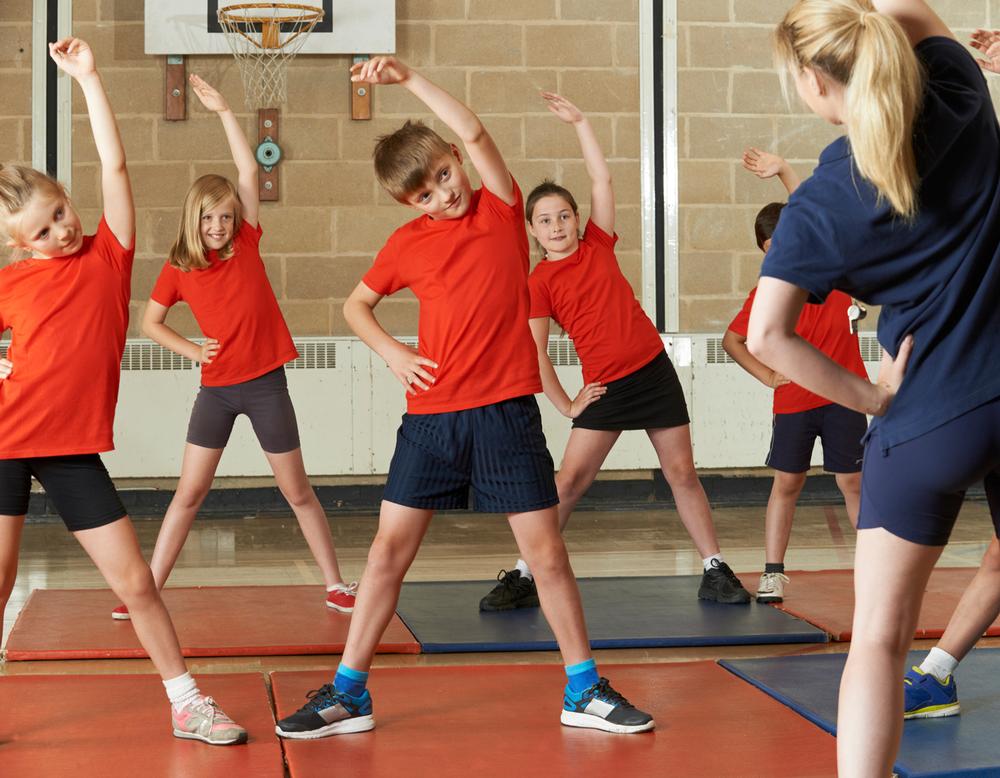
Clark says PE should be personalised, with pupils striving for individual goals
The publication of the sixth report on physical education by the All Party Parliamentary Group on a Fit and Healthy Childhood (APPGFHC) a few months after the Rio Olympics and Paralympics is timely.
Team GB is an outstanding sporting force, but the nation is in the grip of an obesity crisis that starts at birth, becomes entrenched during school and triggers diseases such as type two diabetes and cardiovascular disease in adulthood.
The neglected subject How can this state of affairs co-exist with Olympic glory? We examined the state of physical education in schools, early years settings and the community. A sugary drinks tax is one anti-obesity weapon. But physical education must join good nutrition, play and sport to create a healthy and productive society.
We all had our own personal horror stories about school PE: ‘skill drill’ lessons, humiliating body shaming and the fact that disabled children and those who disliked team games often skipped lessons and ended up pursuing sedentary lifestyles as adults.
The school physical education curriculum has remained largely unchanged since the 1940s and nobody at government level has collated or cascaded examples of excellence that the school community could learn from.
Also, PE is a ‘foundation’ rather than a ‘core’ National Curriculum subject and is often out-sourced to ‘coaches’ without teaching qualifications. Lessons are allocated little time and cancelled in favour of more pressing concerns.
Time for change In response to these concerns, the APPGFHC has identified its top priorities for a 21st century PE experience that works. These are:
• A National PE Task Force to overhaul the PE curriculum.
• Personalised PE teaching – pupils striving for personal, rather than collective, goals.
• For PE to have core status in the National Curriculum.
• For PE to be taught by specialists and for PE content to be increased in teacher training and ongoing professional development.
• A PE syllabus that is properly inclusive for disabled children.
• For PE advice and training to begin from birth, with a strong presence in early years settings.
Making a start Physical education must lead the drive for a ‘whole child’ approach to physical activity in the cause of health and wellbeing. We don’t have all the answers, but for too long nobody has asked the questions. The APPGFHC’s report does that. We honour our elite athletes. But the rest of us should ensure we stay healthy too.
Helen Clark is an associate director for Royal Public Affairs, a public affairs consultancy that advises on a range of policy matters.
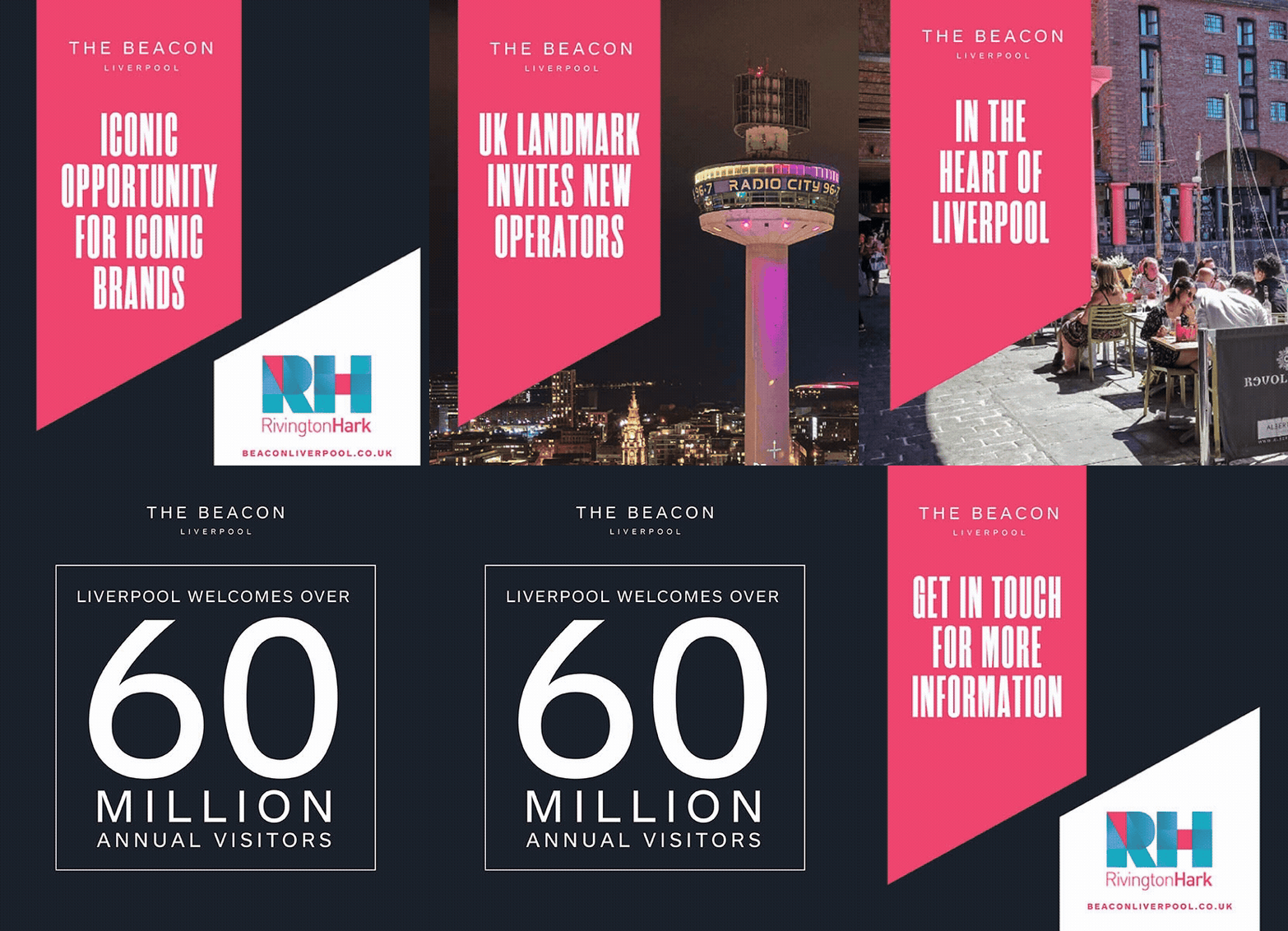
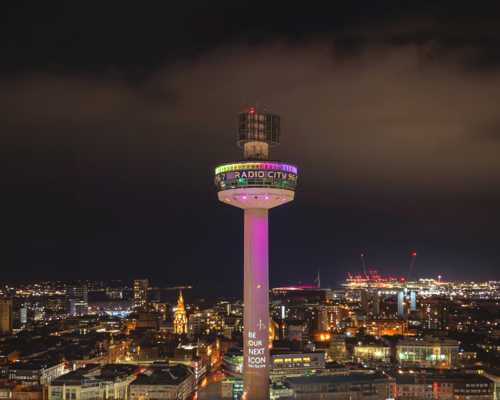
An opportunity to reimagine one of the UK’s most recognisable towers has been formally
opened by Rivington Hark, as St Johns Beacon invites operators and partners to shape its
next phase. [more...]
Clark says PE should be personalised, with pupils striving for individual goals
The publication of the sixth report on physical education by the All Party Parliamentary Group on a Fit and Healthy Childhood (APPGFHC) a few months after the Rio Olympics and Paralympics is timely.
Team GB is an outstanding sporting force, but the nation is in the grip of an obesity crisis that starts at birth, becomes entrenched during school and triggers diseases such as type two diabetes and cardiovascular disease in adulthood.
The neglected subject How can this state of affairs co-exist with Olympic glory? We examined the state of physical education in schools, early years settings and the community. A sugary drinks tax is one anti-obesity weapon. But physical education must join good nutrition, play and sport to create a healthy and productive society.
We all had our own personal horror stories about school PE: ‘skill drill’ lessons, humiliating body shaming and the fact that disabled children and those who disliked team games often skipped lessons and ended up pursuing sedentary lifestyles as adults.
The school physical education curriculum has remained largely unchanged since the 1940s and nobody at government level has collated or cascaded examples of excellence that the school community could learn from.
Also, PE is a ‘foundation’ rather than a ‘core’ National Curriculum subject and is often out-sourced to ‘coaches’ without teaching qualifications. Lessons are allocated little time and cancelled in favour of more pressing concerns.
Time for change In response to these concerns, the APPGFHC has identified its top priorities for a 21st century PE experience that works. These are:
• A National PE Task Force to overhaul the PE curriculum.
• Personalised PE teaching – pupils striving for personal, rather than collective, goals.
• For PE to have core status in the National Curriculum.
• For PE to be taught by specialists and for PE content to be increased in teacher training and ongoing professional development.
• A PE syllabus that is properly inclusive for disabled children.
• For PE advice and training to begin from birth, with a strong presence in early years settings.
Making a start Physical education must lead the drive for a ‘whole child’ approach to physical activity in the cause of health and wellbeing. We don’t have all the answers, but for too long nobody has asked the questions. The APPGFHC’s report does that. We honour our elite athletes. But the rest of us should ensure we stay healthy too.
Helen Clark is an associate director for Royal Public Affairs, a public affairs consultancy that advises on a range of policy matters.
The Toverland theme park in the Netherlands has announced a €98m expansion programme
that will add a resort, new attractions and staff facilities as it pursues plans to become a multi-
day destination.
Hotel de France, located on the British Isle of Jersey, has created a wellness retreat package
that includes a hot yoga session that will take place in Jersey Zoo’s butterfly sanctuary.
A new immersive attraction designed to transport visitors into the final hours of ancient Pompeii
is preparing to open near the world-famous archaeological site in southern Italy.
Experience design company, BRC Imagination Arts, has completed a transition that sees founder
Bob Rogers pass ownership of the business to four long-serving senior executives, while
remaining actively involved with the company.
Movie Park Germany has opened a new Paramount Pictures-themed attraction as part of its 30th
anniversary celebrations, using immersive storytelling and adaptive reuse to reinforce the park’s
longstanding “Hollywood in Germany” positioning.
Therme Manchester’s 28-acre development, which will include interconnected glass pavilions
that measure 65,000sq m, will be the largest bathing and wellbeing attraction in the world once
complete, according to prof David Russell, CEO of Therme UK.
Efteling has opened Hooghmoed, a new family drop tower designed to broaden the appeal of its
recently launched Sirene Island themed area and introduce younger visitors to thrill attractions.
A proposed Puy du Fou development near Bicester and Universal Destinations and Experiences’
planned resort in Bedford are emerging as part of a wider transformation of the Oxford–
Cambridge Growth Corridor into a major centre for UK leisure and tourism inv
Shedd Aquarium has opened the Immersion Theater developed in partnership with SimEx-
Iwerks, as part of a wider strategy to enhance the guest experience and create additional
revenue opportunities.
The UK government has announced a temporary reduction in VAT on visitor attractions and
children’s meals as part of a summer cost-of-living support package designed to stimulate the
visitor economy and encourage family days out.
+ More news
COMPANY PROFILES
Alterface Alterface’s Creative Division team is
seasoned in concept and ride development,
as well as storyte [more...]
IAAPA EMEA IAAPA Expo Europe was established in 2006 and has grown to the largest international conference and [more...]
Sally Corporation Our services include: Dark ride design & build; Redevelopment of existing attractions; High-quality [more...]
DJW David & Lynn Willrich started the Company
over thirty years ago, from the Audio Visual
Department [more...]
An opportunity to reimagine one of the UK’s most recognisable towers has been formally
opened by Rivington Hark, as St Johns Beacon invites operators and partners to shape its
next phase. [more...]