The Kneipp natural therapeutic system is poised for a renaissance
in today’s modern spa world. Spa historian Jonathan Paul
De Vierville explains why by looking at its past and future potential
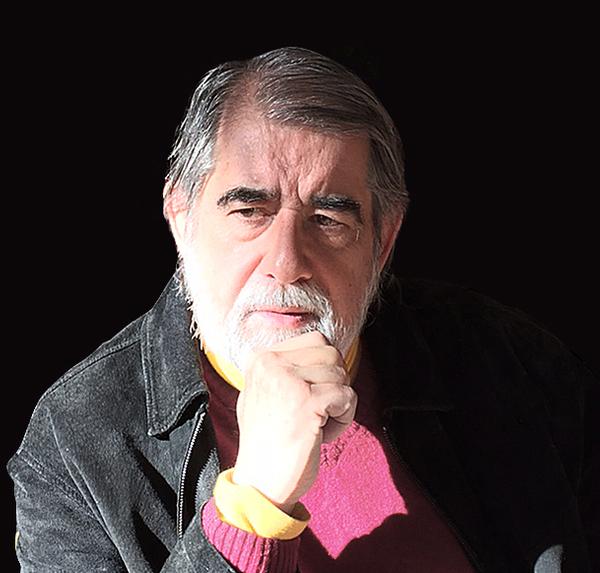
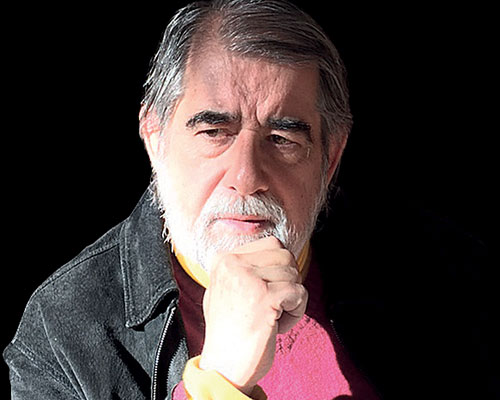
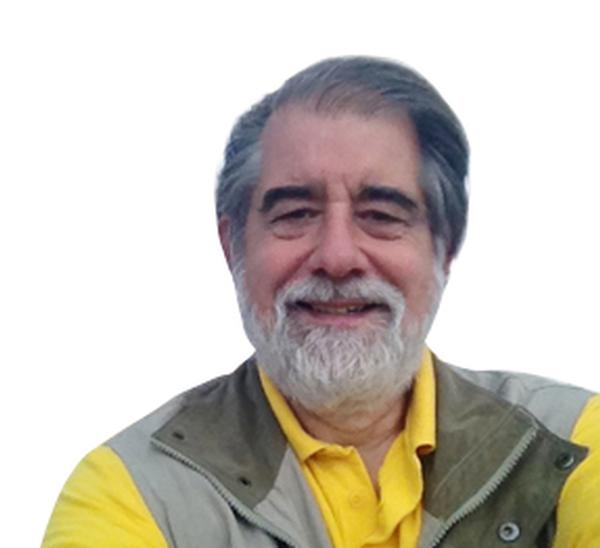
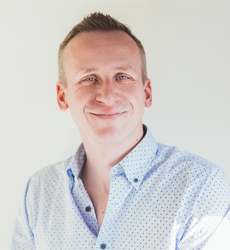
Jonathan Paul De Vierville lectures on the Kneipp kur
How would you describe Kneipp therapy? It’s a holistic natural therapy system based on the Kneipp kur/course of treatments which integrates the five principles of water (hydrotherapy), exercise (kinesiology), herbalism (phytotherapy), nutrition (dietetics) and balanced lifestyle management (regulative therapy).
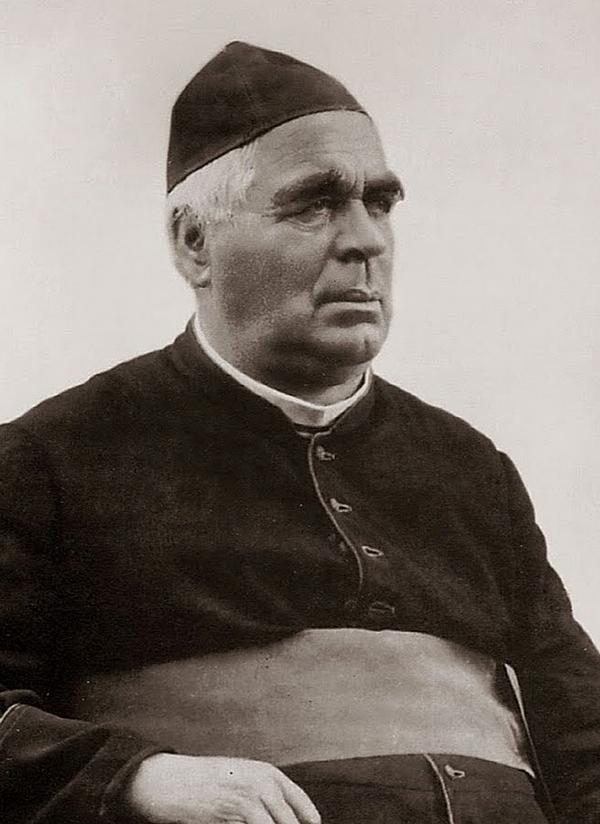
What are its origins? It was founded by a German priest, father Sebastian Kneipp, in the mid 1800s. Suffering from tuberculosis, he discovered a book outlining the effectiveness of fresh water treatments which led him to experiment with regular bathing in the icy Danube River. In doing so, he succeeded in energising, invigorating and strengthening his body.
He was inspired to use the gifts of nature within the context of service to the Divine for the purpose of physical and spiritual healing. He perfected the approach, adding exercise, diet etc to the mix, by treating ailing members of his parish in the village of Bad Wörishofen, Bavaria which is considered the birthplace of Kneipp therapy.
How did it grow in popularity? By the 1880s, Kneipp’s reputation for healing had spread throughout most German speaking countries. With the 1889 publication of My Water Cure – in over 100,000 copies, including foreign translations – his work at Bad Wörishofen gained worldwide recognition. An important point to note is that, reaching North America, the philosophy formed the foundation of modern naturopathy.
What does a Kneipp course include? An authentic programme will integrate all five principles and simple applications for at least a week with a take-home regime. Some can even go up to three months depending on the client’s disorder and therapeutic needs.
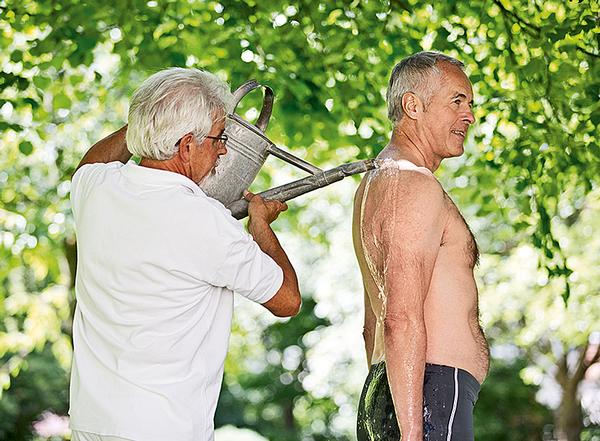
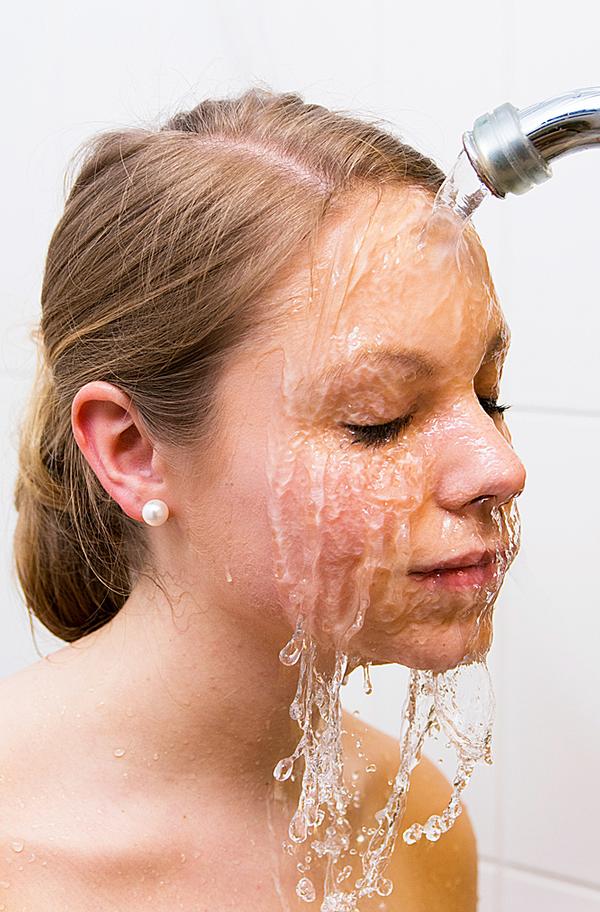
While many associate the Kneipp programme with hydrotherapy – Sebastian Kneipp is known as the ‘water doctor’ – it’s inclusive and integrative of the four other pillars. That said, water is the most powerful and there are more than 120 applications for it including ablutions, wraps, packs and compresses, jet/shower sessions, baths, steam and sauna experiences, water treading and dew walking and – especially – cold water treatments.
How does it work and what does it treat? Everything in the Kneipp system works to facilitate the body’s own thermal reaction, reflexes and immune responses. The various water applications, for example, range in temperature from icy and cold to tepid, warm, hot and steamy and work to improve blood flow, lymph circulation and regulate the metabolism.
Kneipp therapy can be used to treat an extremely wide array of ailments from cardiovascular and respiratory illnesses to digestive disorders and rheumatic and neuralgic conditions. It can also be used in prevention or to help with overall personal wellness – to increase happiness levels (via parasympathetic stimulation), for example, or even help with fatigue, memory and attention (by addressing dehydration).
All of this has been backed up by scientific research over centuries, starting as early as 1884 with the foundation of the International Kneipp Doctor’s Society.
How popular is Kneipp therapy today? There are some centres and hospitals in Germany where state insurance pays for three weeks of Kneipp treatment every four years – although given the uncertain economic outlook this may change. Bad Wörishofen is known as a major healing destination with famous facilities including The Sebastinaeum and Kneippianum. Other spa towns are Bad Grönenbach, Bad Lauterberg and Ottobeuren.
Austria, Italy, the Netherlands and Denmark have facilities which focus on the traditional programme. Meanwhile, Brazil’s Kurotel Clinic and Spa has made a name for itself by specialising in Kneipp.
Do you see a growing demand for the therapy? There appears to be an increasing regional concern and worldwide awareness for wellness, natural therapies and complementary medicine. And I can foresee a demand for spas and other healthcare organisations to offer a low cost, effective, natural health system – remember that monetising the system was not a priority for father Kneipp who wanted to heal people as part of his religious calling.
In the US, there’s certainly a renewed interest and rebirth of Kneipp therapy among naturopathic physicians and universities such as the National University of Natural Medicine in Portland and Bastyr University in Seattle.
Groups of US students and practitioners travel to Bad Wörishofen annually to learn about Kneipp techniques. In addition, recent exchange visits have taken place between healthcare professionals from Germany and other European countries as well as Singapore and China.
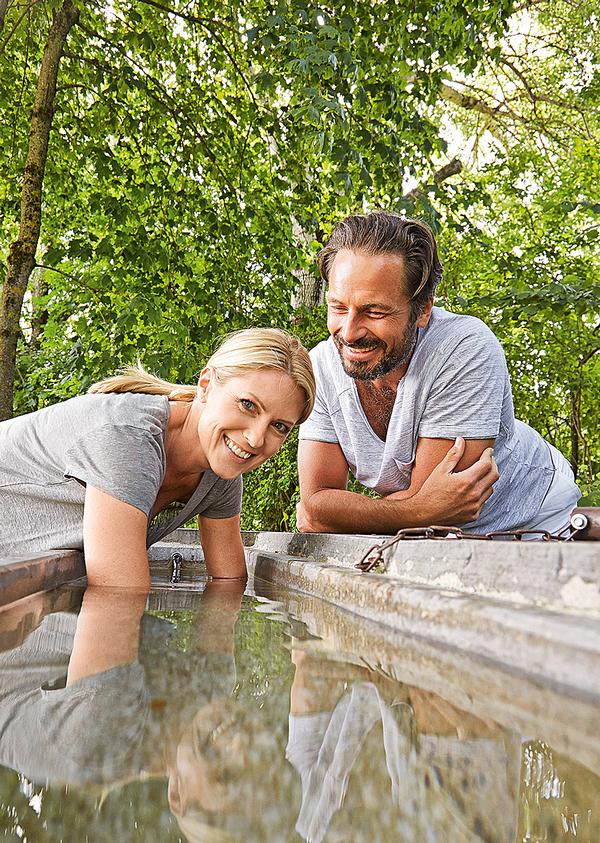
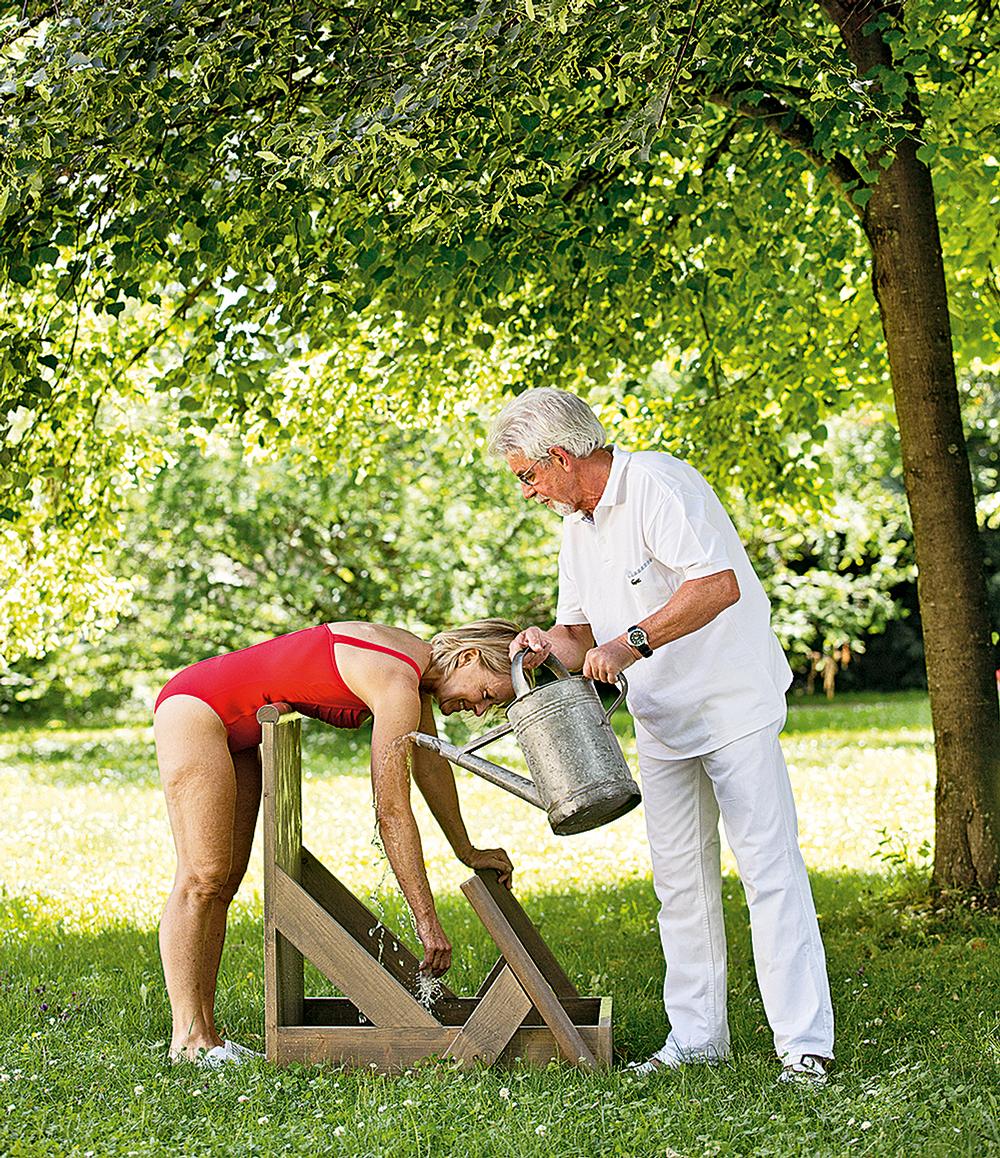
What would an authentic, modern day Kneipp kur centre offer? It would offer first-hand experience of the five principles, as well as simple techniques for homecare, such as baths and wraps for extremities which culminate with cold water showers or treading in a bathtub/bucket of water.
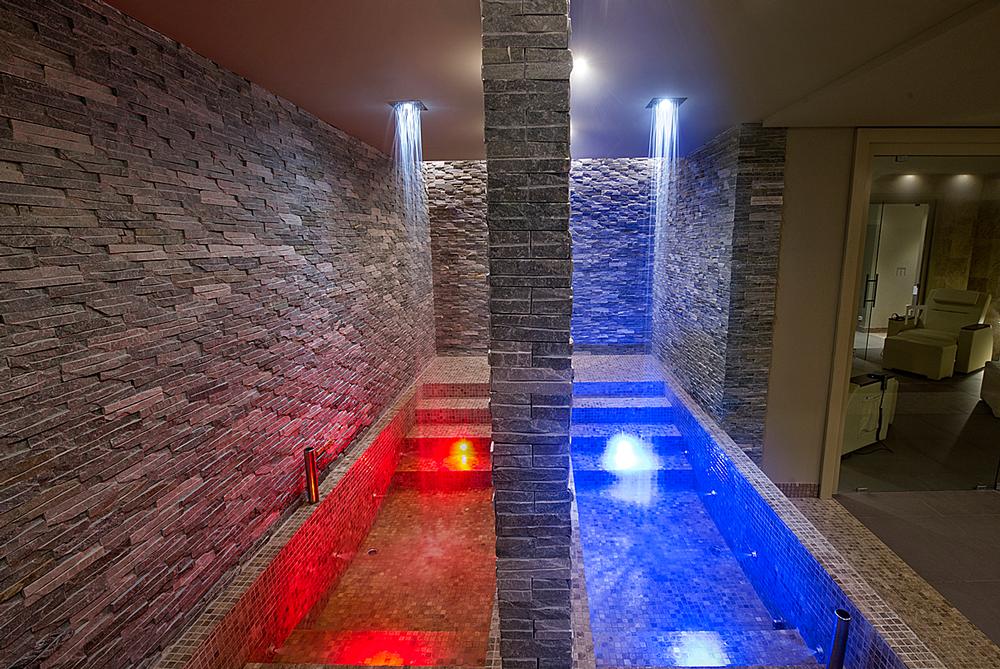
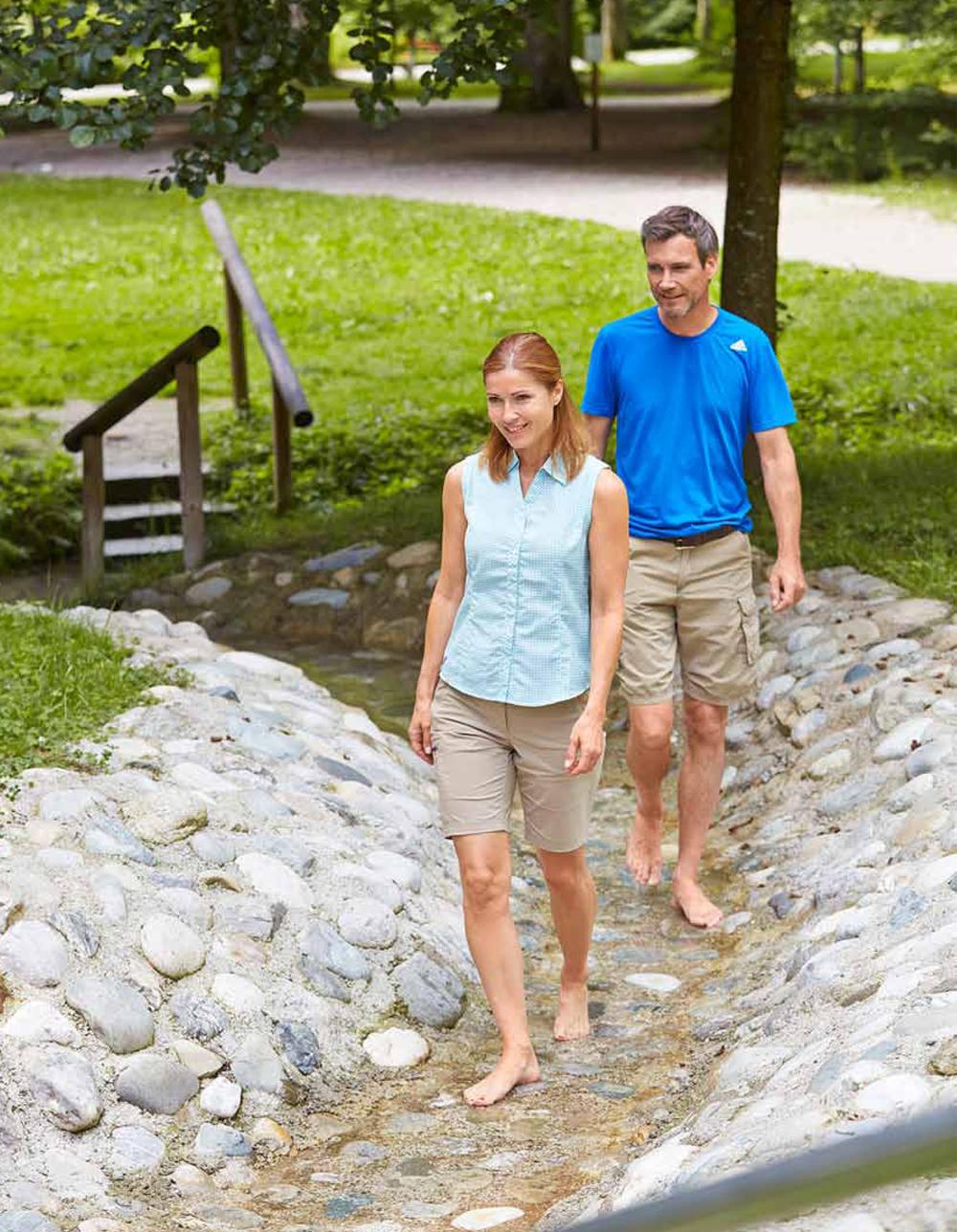
An authentic centre should have indoor facilities for the baths, wraps and showers. There should also be direct contact with nature for remedial, curative and healing elements which is something that’s often overlooked. Alfresco features would ideally include herb and vegetable gardens, grassy lawns for dew walking along with cold water arm and footpaths.
Kneipp Bund, an umbrella organisation for over 600 Kneipp societies, has a certification system for facilities and provides a wealth of information on the Kneipp kur. It also operates The Sebastian Kneipp Vocational School and the Sebastian Kneipp Academy.
How easy is it to misinterpret Kneipp therapy? Very. Especially when it’s fragmented into portions (rather than focusing on the five pillars as a whole) and attempted over too short a period of time – the kur removes a client from their normal way of life which is often a critical factor for certain mental and spiritual disorders. Providing quiet areas for health purposes is often overlooked as well.
Many spas do not apply the water and temperatures correctly and try to shorten the service time which results in lack of proper stimulation and sufficient body heat reactions. And often, there are no written instructions or follow through for at-home care for clients.
Where in the world do you think a Kneipp centre would work well? The system is best delivered in rural and natural settings, but there’s especially a need for it in urban areas in which case parks would make ideal locations.
Central Park in New York has been used for Kneipp activities. And although challenging, I could see something similar spreading in the green spaces in London, Manchester and Bristol in the UK, as well as Detroit, St Louis and Chicago in the US and other major metropolitan areas that have some open parklands for walking and wading. Perhaps there could be a cooperative relationship with golf courses on rainy days?
Who would benefit the most from Kneipp therapy? It would appeal to anyone who desires, knows and understands the vital importance of being connected with nature, harmony and spirit.
Read more from this issue of Attractions Management magazine
View contents of Attractions Management 2016 issue 4
Promotional feature: Phytomer
As a pioneer of marine skincare, Phytomer represents a story of three impassioned generations and a dedication to cultivating the purest spa ingredients from the northern French coast
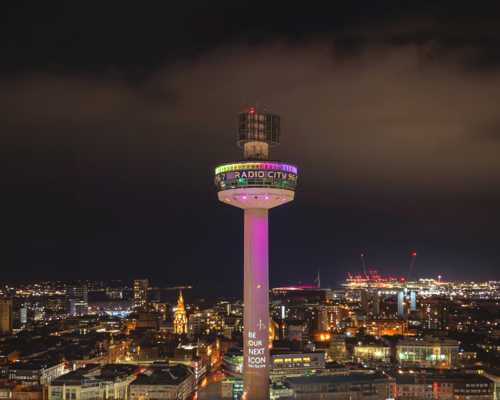
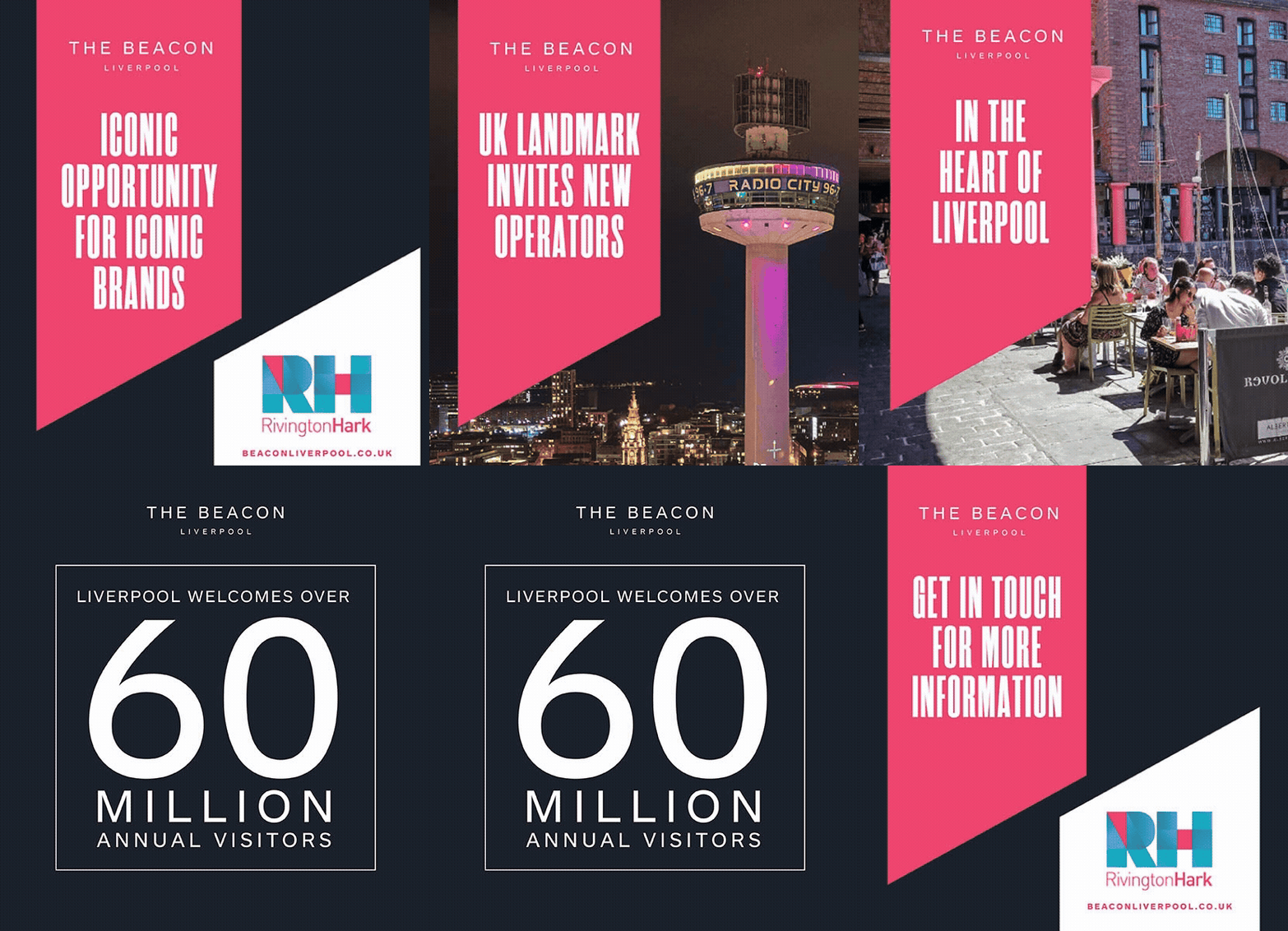
An opportunity to reimagine one of the UK’s most recognisable towers has been formally
opened by Rivington Hark, as St Johns Beacon invites operators and partners to shape its
next phase. [more...]
The Kneipp natural therapeutic system is poised for a renaissance
in today’s modern spa world. Spa historian Jonathan Paul
De Vierville explains why by looking at its past and future potential
Jonathan Paul De Vierville lectures on the Kneipp kur
How would you describe Kneipp therapy? It’s a holistic natural therapy system based on the Kneipp kur/course of treatments which integrates the five principles of water (hydrotherapy), exercise (kinesiology), herbalism (phytotherapy), nutrition (dietetics) and balanced lifestyle management (regulative therapy).
What are its origins? It was founded by a German priest, father Sebastian Kneipp, in the mid 1800s. Suffering from tuberculosis, he discovered a book outlining the effectiveness of fresh water treatments which led him to experiment with regular bathing in the icy Danube River. In doing so, he succeeded in energising, invigorating and strengthening his body.
He was inspired to use the gifts of nature within the context of service to the Divine for the purpose of physical and spiritual healing. He perfected the approach, adding exercise, diet etc to the mix, by treating ailing members of his parish in the village of Bad Wörishofen, Bavaria which is considered the birthplace of Kneipp therapy.
How did it grow in popularity? By the 1880s, Kneipp’s reputation for healing had spread throughout most German speaking countries. With the 1889 publication of My Water Cure – in over 100,000 copies, including foreign translations – his work at Bad Wörishofen gained worldwide recognition. An important point to note is that, reaching North America, the philosophy formed the foundation of modern naturopathy.
What does a Kneipp course include? An authentic programme will integrate all five principles and simple applications for at least a week with a take-home regime. Some can even go up to three months depending on the client’s disorder and therapeutic needs.
While many associate the Kneipp programme with hydrotherapy – Sebastian Kneipp is known as the ‘water doctor’ – it’s inclusive and integrative of the four other pillars. That said, water is the most powerful and there are more than 120 applications for it including ablutions, wraps, packs and compresses, jet/shower sessions, baths, steam and sauna experiences, water treading and dew walking and – especially – cold water treatments.
How does it work and what does it treat? Everything in the Kneipp system works to facilitate the body’s own thermal reaction, reflexes and immune responses. The various water applications, for example, range in temperature from icy and cold to tepid, warm, hot and steamy and work to improve blood flow, lymph circulation and regulate the metabolism.
Kneipp therapy can be used to treat an extremely wide array of ailments from cardiovascular and respiratory illnesses to digestive disorders and rheumatic and neuralgic conditions. It can also be used in prevention or to help with overall personal wellness – to increase happiness levels (via parasympathetic stimulation), for example, or even help with fatigue, memory and attention (by addressing dehydration).
All of this has been backed up by scientific research over centuries, starting as early as 1884 with the foundation of the International Kneipp Doctor’s Society.
How popular is Kneipp therapy today? There are some centres and hospitals in Germany where state insurance pays for three weeks of Kneipp treatment every four years – although given the uncertain economic outlook this may change. Bad Wörishofen is known as a major healing destination with famous facilities including The Sebastinaeum and Kneippianum. Other spa towns are Bad Grönenbach, Bad Lauterberg and Ottobeuren.
Austria, Italy, the Netherlands and Denmark have facilities which focus on the traditional programme. Meanwhile, Brazil’s Kurotel Clinic and Spa has made a name for itself by specialising in Kneipp.
Do you see a growing demand for the therapy? There appears to be an increasing regional concern and worldwide awareness for wellness, natural therapies and complementary medicine. And I can foresee a demand for spas and other healthcare organisations to offer a low cost, effective, natural health system – remember that monetising the system was not a priority for father Kneipp who wanted to heal people as part of his religious calling.
In the US, there’s certainly a renewed interest and rebirth of Kneipp therapy among naturopathic physicians and universities such as the National University of Natural Medicine in Portland and Bastyr University in Seattle.
Groups of US students and practitioners travel to Bad Wörishofen annually to learn about Kneipp techniques. In addition, recent exchange visits have taken place between healthcare professionals from Germany and other European countries as well as Singapore and China.
What would an authentic, modern day Kneipp kur centre offer? It would offer first-hand experience of the five principles, as well as simple techniques for homecare, such as baths and wraps for extremities which culminate with cold water showers or treading in a bathtub/bucket of water.
An authentic centre should have indoor facilities for the baths, wraps and showers. There should also be direct contact with nature for remedial, curative and healing elements which is something that’s often overlooked. Alfresco features would ideally include herb and vegetable gardens, grassy lawns for dew walking along with cold water arm and footpaths.
Kneipp Bund, an umbrella organisation for over 600 Kneipp societies, has a certification system for facilities and provides a wealth of information on the Kneipp kur. It also operates The Sebastian Kneipp Vocational School and the Sebastian Kneipp Academy.
How easy is it to misinterpret Kneipp therapy? Very. Especially when it’s fragmented into portions (rather than focusing on the five pillars as a whole) and attempted over too short a period of time – the kur removes a client from their normal way of life which is often a critical factor for certain mental and spiritual disorders. Providing quiet areas for health purposes is often overlooked as well.
Many spas do not apply the water and temperatures correctly and try to shorten the service time which results in lack of proper stimulation and sufficient body heat reactions. And often, there are no written instructions or follow through for at-home care for clients.
Where in the world do you think a Kneipp centre would work well? The system is best delivered in rural and natural settings, but there’s especially a need for it in urban areas in which case parks would make ideal locations.
Central Park in New York has been used for Kneipp activities. And although challenging, I could see something similar spreading in the green spaces in London, Manchester and Bristol in the UK, as well as Detroit, St Louis and Chicago in the US and other major metropolitan areas that have some open parklands for walking and wading. Perhaps there could be a cooperative relationship with golf courses on rainy days?
Who would benefit the most from Kneipp therapy? It would appeal to anyone who desires, knows and understands the vital importance of being connected with nature, harmony and spirit.
Read more from this issue of Attractions Management magazine
View contents of Attractions Management 2016 issue 4
Promotional feature: Phytomer
As a pioneer of marine skincare, Phytomer represents a story of three impassioned generations and a dedication to cultivating the purest spa ingredients from the northern French coast
Hotel de France, located on the British Isle of Jersey, has created a wellness retreat package
that includes a hot yoga session that will take place in Jersey Zoo’s butterfly sanctuary.
A new immersive attraction designed to transport visitors into the final hours of ancient Pompeii
is preparing to open near the world-famous archaeological site in southern Italy.
Experience design company, BRC Imagination Arts, has completed a transition that sees founder
Bob Rogers pass ownership of the business to four long-serving senior executives, while
remaining actively involved with the company.
Movie Park Germany has opened a new Paramount Pictures-themed attraction as part of its 30th
anniversary celebrations, using immersive storytelling and adaptive reuse to reinforce the park’s
longstanding “Hollywood in Germany” positioning.
Therme Manchester’s 28-acre development, which will include interconnected glass pavilions
that measure 65,000sq m, will be the largest bathing and wellbeing attraction in the world once
complete, according to prof David Russell, CEO of Therme UK.
Efteling has opened Hooghmoed, a new family drop tower designed to broaden the appeal of its
recently launched Sirene Island themed area and introduce younger visitors to thrill attractions.
A proposed Puy du Fou development near Bicester and Universal Destinations and Experiences’
planned resort in Bedford are emerging as part of a wider transformation of the Oxford–
Cambridge Growth Corridor into a major centre for UK leisure and tourism inv
Shedd Aquarium has opened the Immersion Theater developed in partnership with SimEx-
Iwerks, as part of a wider strategy to enhance the guest experience and create additional
revenue opportunities.
The UK government has announced a temporary reduction in VAT on visitor attractions and
children’s meals as part of a summer cost-of-living support package designed to stimulate the
visitor economy and encourage family days out.
As designer Yinka Ilori prepares for his first solo gallery show in London, he speaks exclusively
to CLADmag about his mission to spread joy, the power of play, and his bold approach to using
colour (including the colours you won’t see in his work).
The government of Thailand is exploring plans for a THB300bn (£6.3bn, US$8.3bn)
entertainment complex in the country’s Eastern Economic Corridor (EEC), with officials
proposing a large-scale theme park and sports destination as part of a broader tourism and
economic development strategy.
+ More news
COMPANY PROFILES
TechnoAlpin Indoor TechnoAlpin is the world leader for snowmaking systems. With the Indoor snow division, TechnoAlpin c [more...]
instantprint We’re a Yorkshire-based online printer, founded
in 2009 by Adam Carnell and James Kinsella. [more...]
An opportunity to reimagine one of the UK’s most recognisable towers has been formally
opened by Rivington Hark, as St Johns Beacon invites operators and partners to shape its
next phase. [more...]