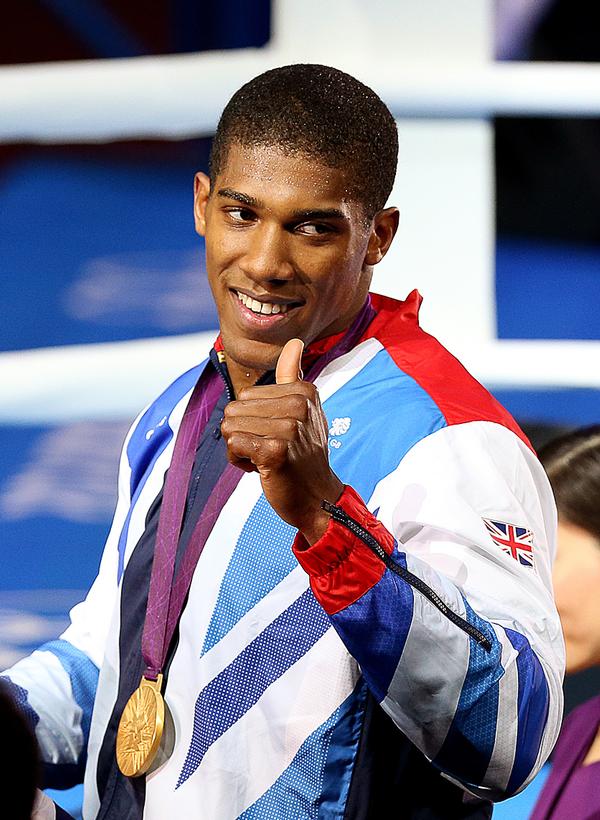
Does British sport have a race problem? On the face of it, most people would probably say ‘no’. Anthony Joshua, Jessica Ennis-Hill, Amir Khan and Mo Farah are among the most celebrated and recognised athletes in the country, while nine out of the 23 players (39 per cent) in England’s Euro 2016 squad came from black, Asian and minority ethnic backgrounds (BAME).
However, away from elite sport, other statistics tell a different story. According to equality body Sporting Equals, only three per cent of board members at national governing body (NGB) level are from ethnic minority backgrounds – compared to the 13 per cent national average – while the number of BAME individuals taking part in grassroots sport is proportionally lower than their white counterparts.
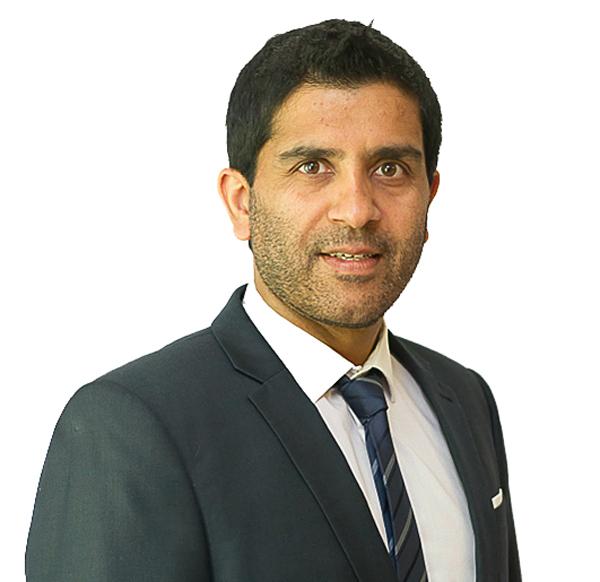
Matchmaking To try and make headway on the former point, Sporting Equals is putting together a checklist which provides advice on ways to engage with people from diverse background, and how to advertise jobs to the widest spectrum of individuals. The document will be distributed to interested governing bodies in the autumn. The Birmingham-based organisation – headed up by chief executive Arun Kang – has been active in this space already, hosting a Leaderboard event in the House of Lords in 2014 which presented the damning findings around the number of BAME people in executive and board positions within NGBs.
The event will take place again later this year, and will be the second time Sporting Equals has held court in parliament in 2016 after staging an event in March to raise the awareness around the challenges faced by BAME communities in the sport sector, organised in part by former sports minister Helen Grant and ex-England footballer Sol Campbell.
Talking to Sports Management Kang reveals that the upcoming event will be more of a “matchmaking” setting, in which BAME professionals – lawyers, medical professionals and accountants etc – who have an interest in becoming sport administrators will be introduced to “the appropriate sports bodies”.He does, however, admit that there are a number of challenges that need to be addressed to improve the diversity on the boards of NGBs, with extensive work going on alongside Sporting Equals’ programme of networking and brokering events.
Sustained approach Firstly, Kang explains that there is a need to “upskill” some potential candidates to foster a “better understanding of how the sports sector works”, and that the organisation was exploring the possibility of creating a development-type training scheme which involved mentoring and shadowing within NGBs. He adds that Sporting Equals will be showcasing a number of such pilots during its autumn event.
Kang also states the need for a “more sustained approach” from NGBs in their quest to shake up their boards – something they will need to do to comply with the government’s UK Sport Governance Code, which has board diversity at its heart.
One recommendation made by Sporting Equals is to make use of the number of “ethnic media outlets” in the UK to showcase positions and make the case for sport. He points to a “huge network of Chinese TV channels, Asian magazines and The Voice newspaper” as fertile ground for building a rapport with communities.
“A good example is the Islam Channel,” says Kang. “It’s always looking for content, and it would be a good idea for an organisation wanting, for example, Asian women to apply for board positions to go on one of the shows and be interviewed and advertise off the back of that.
“If they just advertise and expect people to come rushing to sport, they’re not despite the fact that a lot of professional Asian women would love to get involved in sport. It has to be sustained.
“They can’t just put one advert out and say ‘we didn’t get any interest’, but that’s the experience I’ve had with some organisations.”
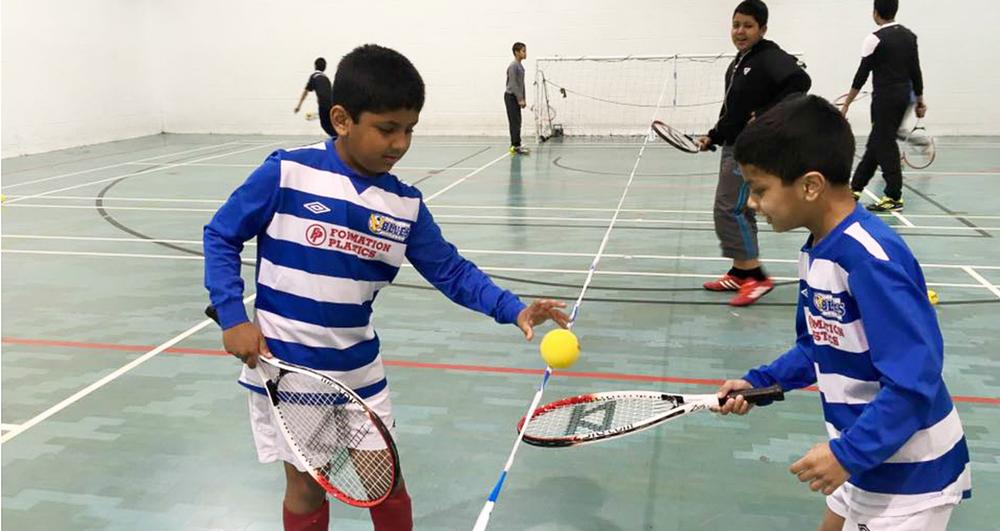
untapped markets Another key part of Sporting Equals’ mission is to open doors to grassroots sport for more people from more backgrounds, helping organisations shift their way of thinking and introduce them to cultural sensitivities.
“Sport needs to understand that it has to change the offer for specific communities,” says Kang. “Demographics have changed, society has changed.”
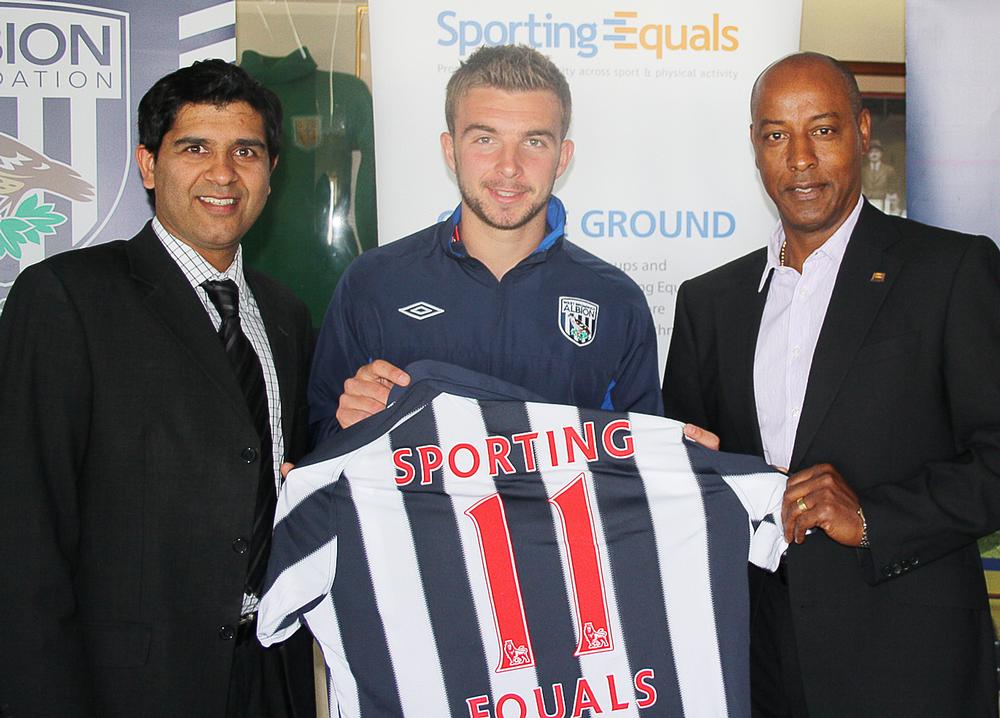
Sporting Equals encouraged West Bromwich Albion Football Club to engage with a local Sikh temple with “30,000 footfall a week”. Members of that community now regularly use the club’s sports facilities, and take part in a number of other activities on a regular basis.
Kang makes the point that if sport can engage people in such large numbers, NGBs should be looking at the business case rather than just the moral case for reaching for ethnic communities.
“There are untapped commercial markets out there – if NGBs and organisations can engage with 30,000 BAME people in a Sikh temple, then I’d be surprised if local Asian businesses wouldn’t want to be part of it,” he says. “We’re talking about about billions of pounds worth of business that sport just hasn’t engaged yet.”
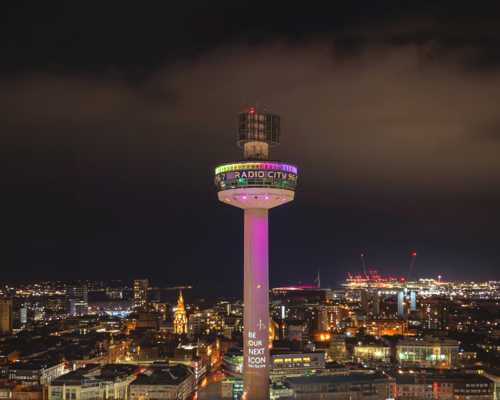
An opportunity to reimagine one of the UK’s most recognisable towers has been formally
opened by Rivington Hark, as St Johns Beacon invites operators and partners to shape its
next phase. [more...]
Does British sport have a race problem? On the face of it, most people would probably say ‘no’. Anthony Joshua, Jessica Ennis-Hill, Amir Khan and Mo Farah are among the most celebrated and recognised athletes in the country, while nine out of the 23 players (39 per cent) in England’s Euro 2016 squad came from black, Asian and minority ethnic backgrounds (BAME).
However, away from elite sport, other statistics tell a different story. According to equality body Sporting Equals, only three per cent of board members at national governing body (NGB) level are from ethnic minority backgrounds – compared to the 13 per cent national average – while the number of BAME individuals taking part in grassroots sport is proportionally lower than their white counterparts.
Matchmaking To try and make headway on the former point, Sporting Equals is putting together a checklist which provides advice on ways to engage with people from diverse background, and how to advertise jobs to the widest spectrum of individuals. The document will be distributed to interested governing bodies in the autumn. The Birmingham-based organisation – headed up by chief executive Arun Kang – has been active in this space already, hosting a Leaderboard event in the House of Lords in 2014 which presented the damning findings around the number of BAME people in executive and board positions within NGBs.
The event will take place again later this year, and will be the second time Sporting Equals has held court in parliament in 2016 after staging an event in March to raise the awareness around the challenges faced by BAME communities in the sport sector, organised in part by former sports minister Helen Grant and ex-England footballer Sol Campbell.
Talking to Sports Management Kang reveals that the upcoming event will be more of a “matchmaking” setting, in which BAME professionals – lawyers, medical professionals and accountants etc – who have an interest in becoming sport administrators will be introduced to “the appropriate sports bodies”.He does, however, admit that there are a number of challenges that need to be addressed to improve the diversity on the boards of NGBs, with extensive work going on alongside Sporting Equals’ programme of networking and brokering events.
Sustained approach Firstly, Kang explains that there is a need to “upskill” some potential candidates to foster a “better understanding of how the sports sector works”, and that the organisation was exploring the possibility of creating a development-type training scheme which involved mentoring and shadowing within NGBs. He adds that Sporting Equals will be showcasing a number of such pilots during its autumn event.
Kang also states the need for a “more sustained approach” from NGBs in their quest to shake up their boards – something they will need to do to comply with the government’s UK Sport Governance Code, which has board diversity at its heart.
One recommendation made by Sporting Equals is to make use of the number of “ethnic media outlets” in the UK to showcase positions and make the case for sport. He points to a “huge network of Chinese TV channels, Asian magazines and The Voice newspaper” as fertile ground for building a rapport with communities.
“A good example is the Islam Channel,” says Kang. “It’s always looking for content, and it would be a good idea for an organisation wanting, for example, Asian women to apply for board positions to go on one of the shows and be interviewed and advertise off the back of that.
“If they just advertise and expect people to come rushing to sport, they’re not despite the fact that a lot of professional Asian women would love to get involved in sport. It has to be sustained.
“They can’t just put one advert out and say ‘we didn’t get any interest’, but that’s the experience I’ve had with some organisations.”
untapped markets Another key part of Sporting Equals’ mission is to open doors to grassroots sport for more people from more backgrounds, helping organisations shift their way of thinking and introduce them to cultural sensitivities.
“Sport needs to understand that it has to change the offer for specific communities,” says Kang. “Demographics have changed, society has changed.”
Sporting Equals encouraged West Bromwich Albion Football Club to engage with a local Sikh temple with “30,000 footfall a week”. Members of that community now regularly use the club’s sports facilities, and take part in a number of other activities on a regular basis.
Kang makes the point that if sport can engage people in such large numbers, NGBs should be looking at the business case rather than just the moral case for reaching for ethnic communities.
“There are untapped commercial markets out there – if NGBs and organisations can engage with 30,000 BAME people in a Sikh temple, then I’d be surprised if local Asian businesses wouldn’t want to be part of it,” he says. “We’re talking about about billions of pounds worth of business that sport just hasn’t engaged yet.”
Hotel de France, located on the British Isle of Jersey, has created a wellness retreat package
that includes a hot yoga session that will take place in Jersey Zoo’s butterfly sanctuary.
A new immersive attraction designed to transport visitors into the final hours of ancient Pompeii
is preparing to open near the world-famous archaeological site in southern Italy.
Experience design company, BRC Imagination Arts, has completed a transition that sees founder
Bob Rogers pass ownership of the business to four long-serving senior executives, while
remaining actively involved with the company.
Movie Park Germany has opened a new Paramount Pictures-themed attraction as part of its 30th
anniversary celebrations, using immersive storytelling and adaptive reuse to reinforce the park’s
longstanding “Hollywood in Germany” positioning.
Therme Manchester’s 28-acre development, which will include interconnected glass pavilions
that measure 65,000sq m, will be the largest bathing and wellbeing attraction in the world once
complete, according to prof David Russell, CEO of Therme UK.
Efteling has opened Hooghmoed, a new family drop tower designed to broaden the appeal of its
recently launched Sirene Island themed area and introduce younger visitors to thrill attractions.
A proposed Puy du Fou development near Bicester and Universal Destinations and Experiences’
planned resort in Bedford are emerging as part of a wider transformation of the Oxford–
Cambridge Growth Corridor into a major centre for UK leisure and tourism inv
Shedd Aquarium has opened the Immersion Theater developed in partnership with SimEx-
Iwerks, as part of a wider strategy to enhance the guest experience and create additional
revenue opportunities.
The UK government has announced a temporary reduction in VAT on visitor attractions and
children’s meals as part of a summer cost-of-living support package designed to stimulate the
visitor economy and encourage family days out.
As designer Yinka Ilori prepares for his first solo gallery show in London, he speaks exclusively
to CLADmag about his mission to spread joy, the power of play, and his bold approach to using
colour (including the colours you won’t see in his work).
The government of Thailand is exploring plans for a THB300bn (£6.3bn, US$8.3bn)
entertainment complex in the country’s Eastern Economic Corridor (EEC), with officials
proposing a large-scale theme park and sports destination as part of a broader tourism and
economic development strategy.
+ More news
COMPANY PROFILES
QubicaAMF UK QubicaAMF is the largest and most
innovative bowling equipment provider with
600 employees worldwi [more...]
Sally Corporation Our services include: Dark ride design & build; Redevelopment of existing attractions; High-quality [more...]
DJW David & Lynn Willrich started the Company
over thirty years ago, from the Audio Visual
Department [more...]
Taylor Made Designs Founded in 1993, Taylor Made
Designs supply corporate clothing
and brand-enhancing merchandise
to [more...]
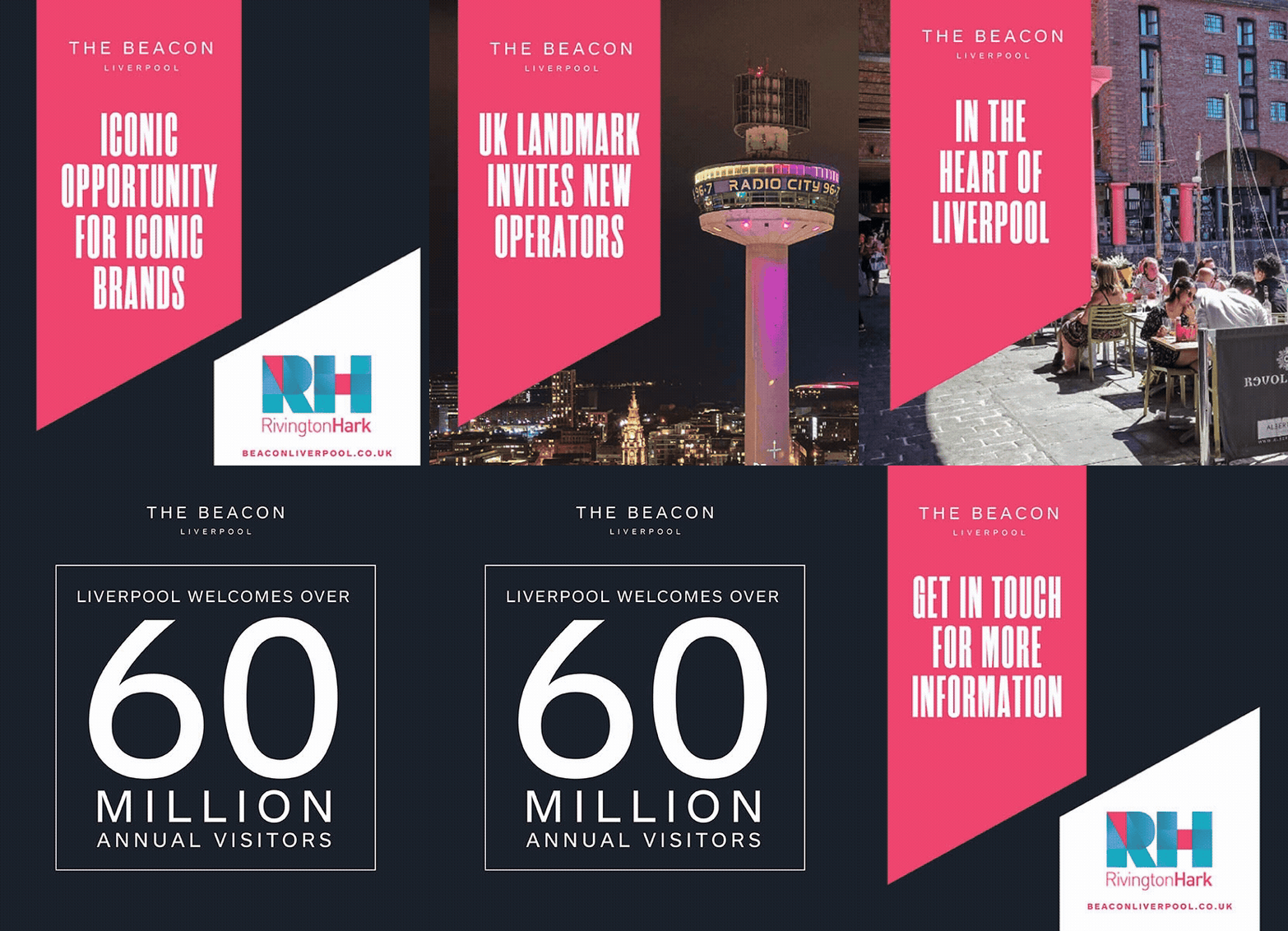
An opportunity to reimagine one of the UK’s most recognisable towers has been formally
opened by Rivington Hark, as St Johns Beacon invites operators and partners to shape its
next phase. [more...]