Chinese president Xi Jinping wants to create the world’s largest sports economy by 2025. He has placed football, the most global of sports, at the heart of his plans
By Tom Walker | Published in Sports Management 16 May 2016 issue 120
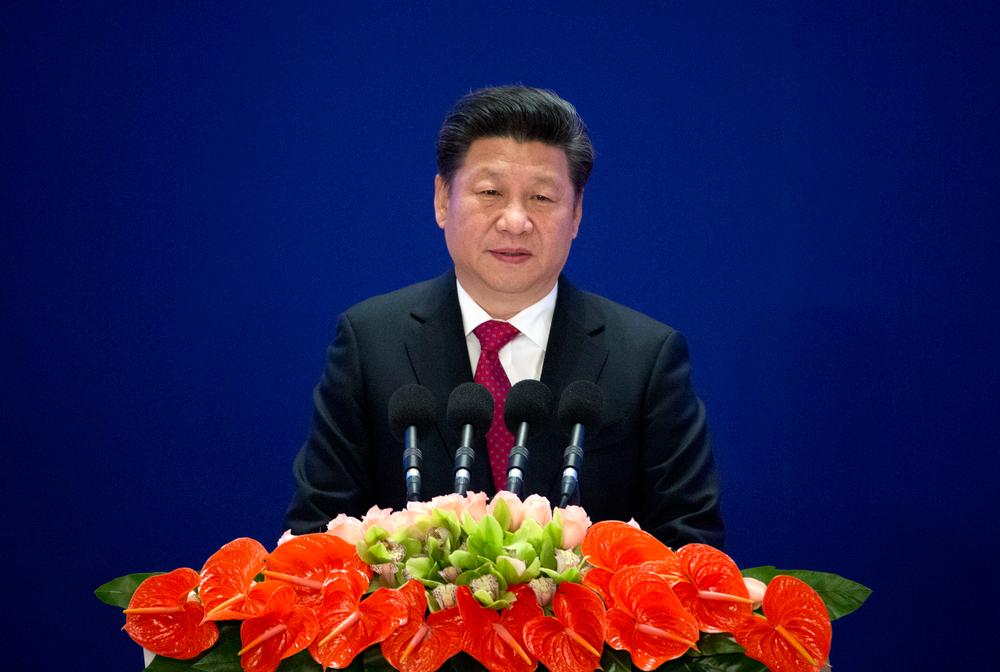
China president and football lover Xi Jinping / Mark Schiefelbein / Press Association Images
China has ambitious plans for sport. Led by president Xi Jinping. The single-party central government has announced it wants to create a sports economy worth five trillion yuan (US$800bn, £552.9bn, €702bn) by 2025. If it’s successful, the nation will become the world leader in sport – with it accounting for 1 per cent of China’s total GDP.
Making the announcement in November 2014, President Xi initially offered little detail on how the country of nearly 1.4 billion people plans to achieve its ambitious goals. Since then, however, a clearer picture has emerged. Football, it seems, will act as the driving force behind China’s aspirations. A fan of the beautiful game himself, the president has now set two main goals for the Chinese football revolution – to host the World Cup and to eventually win it.
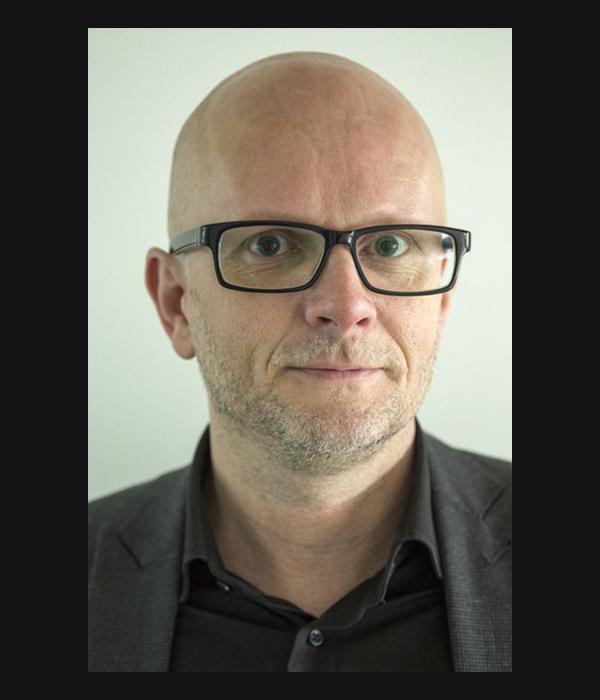
PHASED PROGRESS Professor Simon Chadwick has been “China-watching” for nearly two decades and has witnessed the emergence of sport as a serious industry from close quarters. Chadwick says that following on from its well-publicised “stadium diplomacy” initiatives – the building of sports venues in developing countries in return for preferential access to natural resources – China’s interest in sport was taken to a new level by its hosting of the Beijing Olympic Games in 2008.
“The Beijing Games were bid for and staged with the agenda of re-establishing China on the world stage,” he says. “The Games were all about projecting a new image of China as a modern, developed and economically strong nation. It was nation-branding on a large scale. By hosting the Games, China was saying ‘we’re here, we’re strong and we’re wielding influence’.”
According to Chadwick, China has now moved to the next stage of its sporting plans – for which Jinping’s statement in November 2014 acted as the firing of the starter pistol. The president’s speech has been followed by a host of Chinese companies dashing to acquire sports-related business interests – such as sports broadcasters and football teams – in mature markets.
Two of the most significant deals were Dalian Wanda, China’s biggest private property developer, buying a 20 per cent stake in Spanish football club Atletico Madrid and China Media Capital spending US$400m (£276.4m, €351.1m) in acquiring a 13 per cent stake in City Football Group – owner of Manchester City FC and the New York City FC.
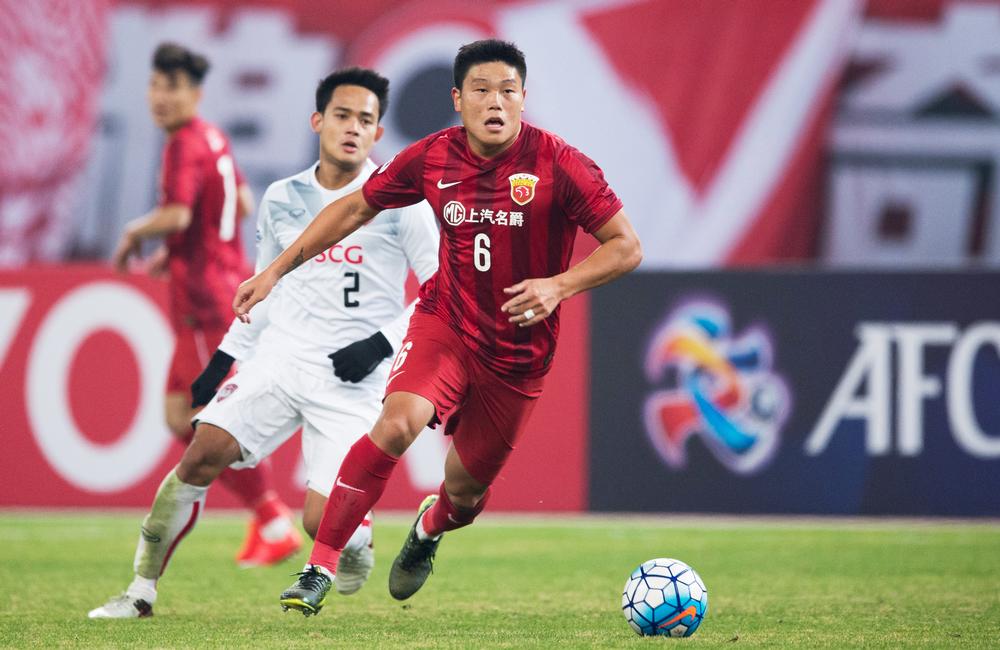
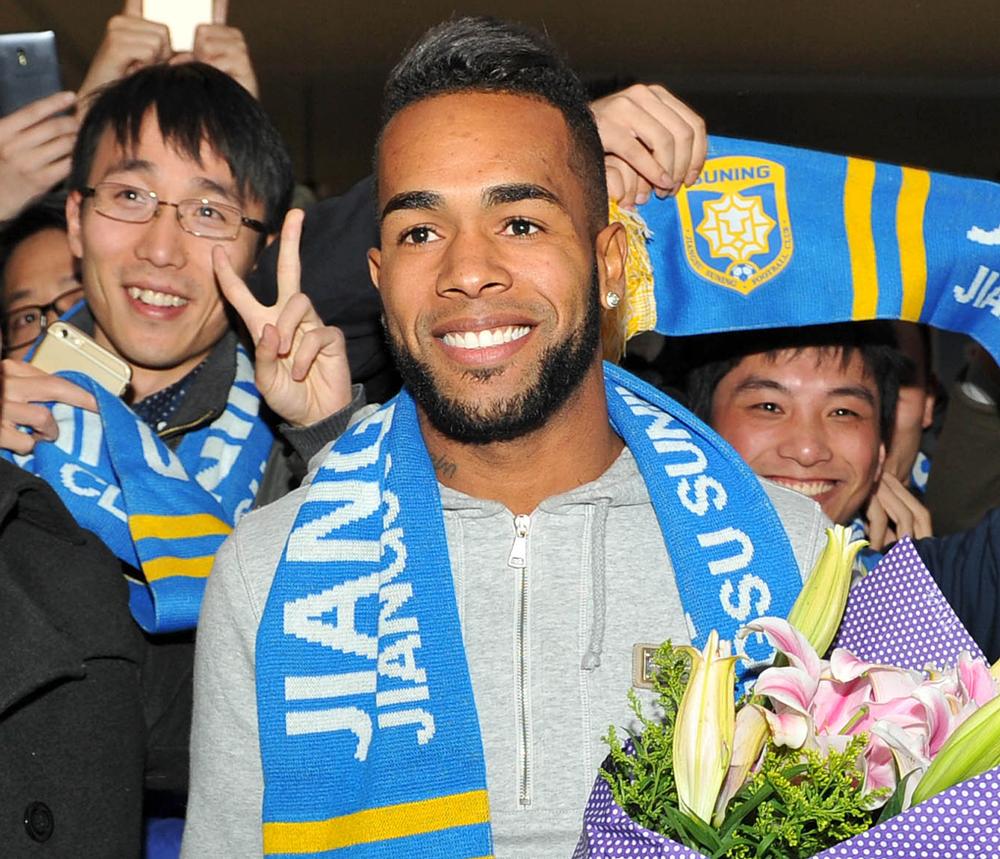
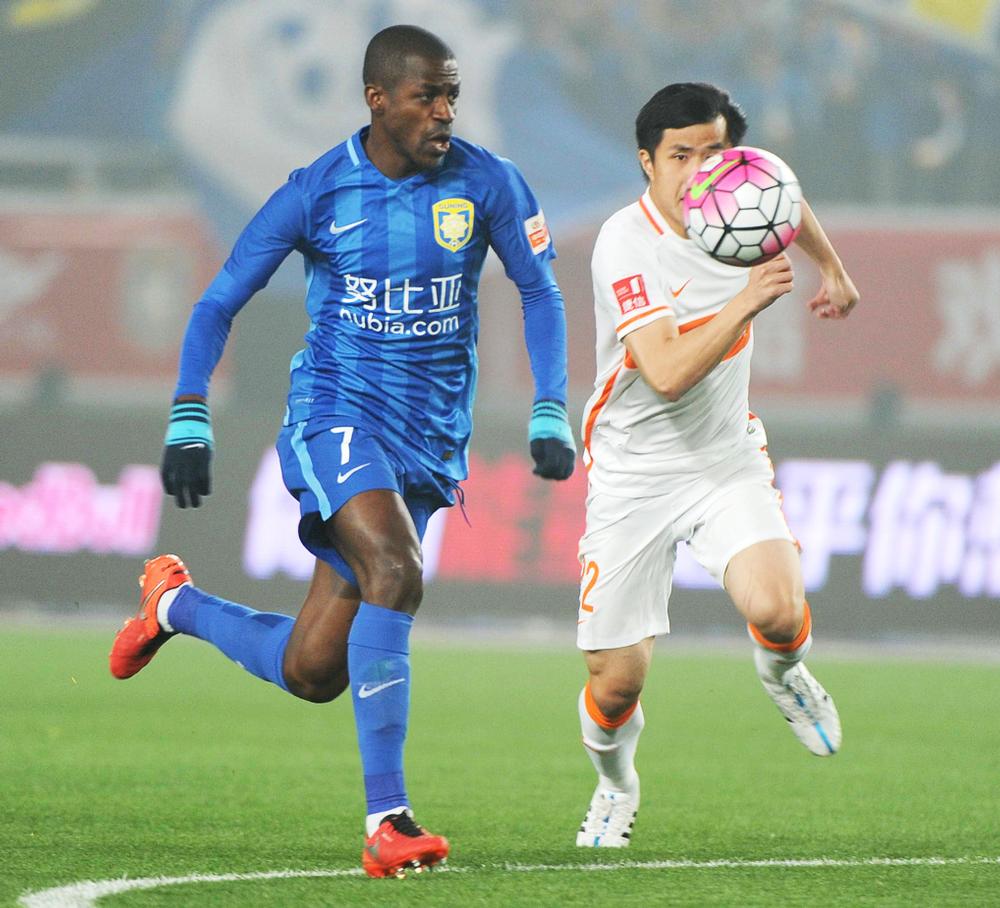
“What China is now doing is building an entirely new sector of business which wasn’t there before,” Chadwick says. He adds that stage two didn’t just consist of Chinese companies acquiring football businesses and media properties. In early 2016 Chinese football clubs completed a string of high-profile transfers deals for players considered at the top of their game, such as Brazilian Alex Teixeira, ex-Chelsea midfielder Ramires and former Arsenal forward Gervinho, which really caught the attention of the football world.
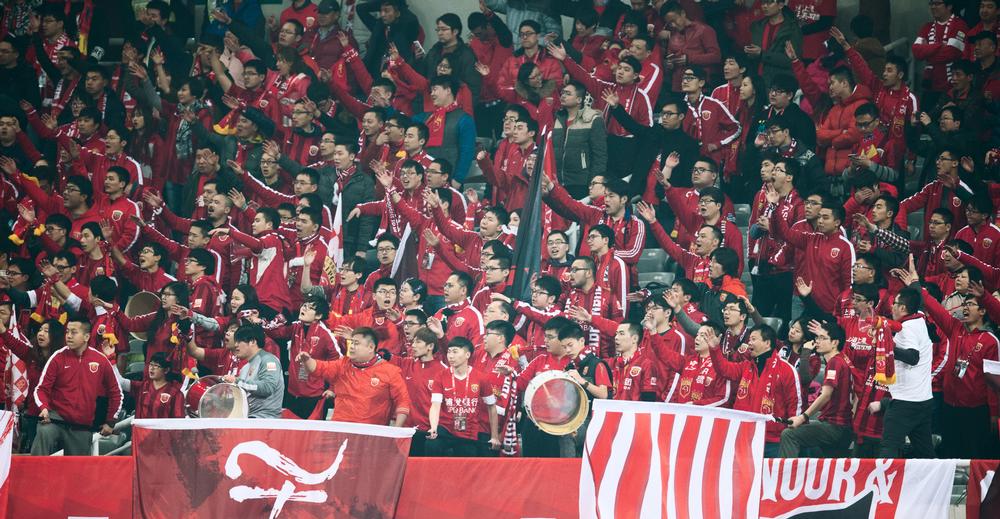
“Some relatively unknown football clubs in China spent huge amounts of money on some of the world’s best talent – that sounded the alarm bells for many who hadn’t noticed what was going on in China,” says Chadwick. “It really announced that China is here and it means business. It was a clear indication that it has the economic resource – and the will – to do well in that business.”
LIEUTENANTS While China remains officially a communist state, it has for a long time now embraced the tenets of capitalism and has undergone significant economic reform. As a result, there are now multi-billion dollar companies operating inside China and the people leading them are emerging as China’s economic lieutenants.
When it comes to sport, two of these lieutenants – Wang Jianlin and Jack Ma – have emerged as the main drivers of China’s ambitions. Wang owns the Dalian Wanda conglomerate which purchased the 20 per cent stake in Atletico Madrid and he also recently acquired the multinational Infront Sport and Media giant for US$1.2bn (£829.3m, €1.1bn). Wanda also became the first headline sponsor of FIFA since Gianni Infantino became president of the governing body in February.
Meanwhile, Ma – the chief of Alibaba Group – has spent around US$192m (£89.2m, €168.5m) in acquiring a 50 per cent stake in Chinese Super League team Guangzhou Evergrande. To operate the burgeoning portfolio of his sports interest, Ma has launched a separate arm – Alibaba Sports Group.
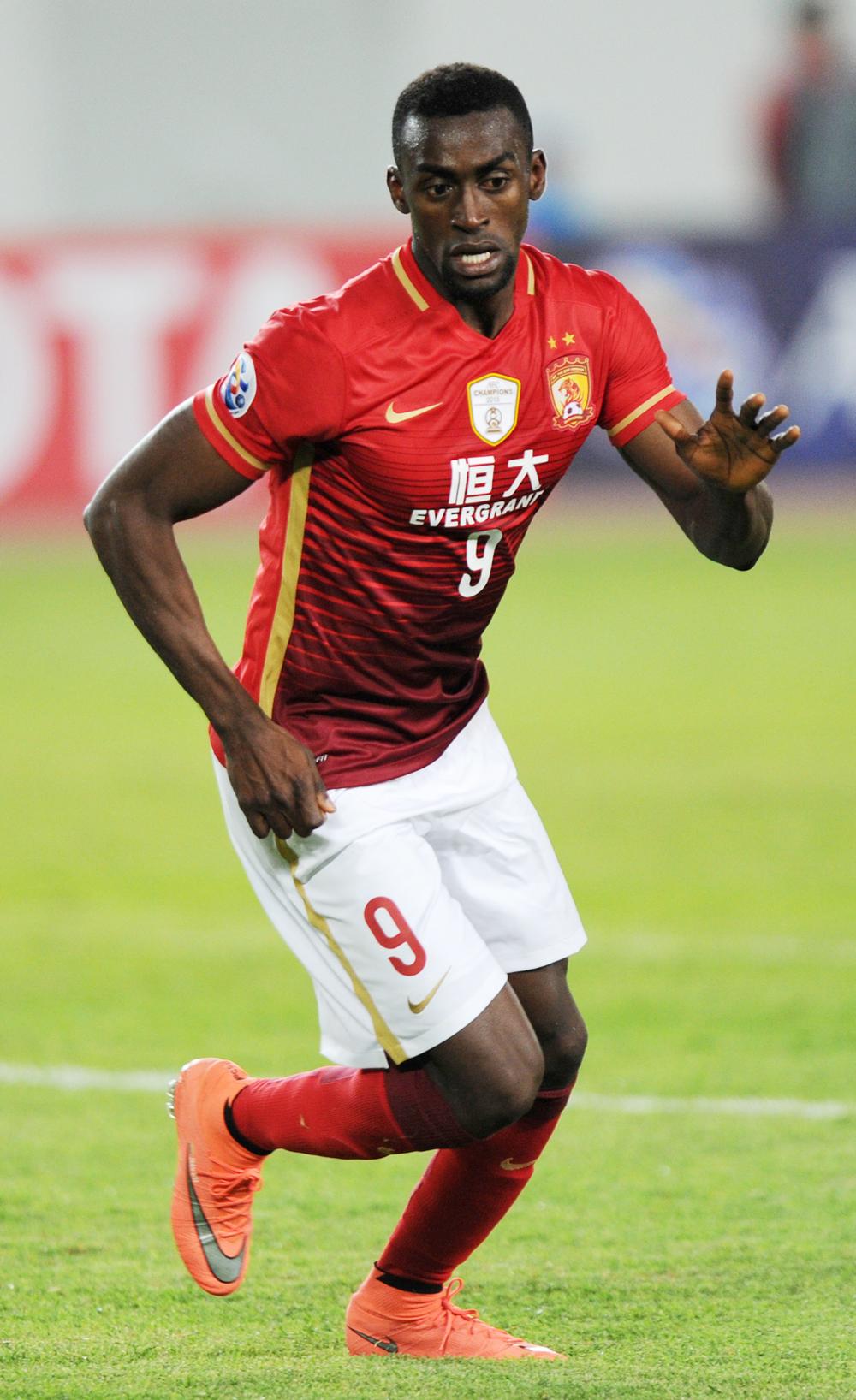
It is no coincidence either, that it was Ma’s Guangzhou Evergrande which performed one of the most amazing coups of the January 2016 transfer window – the purchase of Colombian star Jackson Martinez for €42m (£33.1m, US$47.9m). Martinez is a player in his peak – a talent chased by several English Premier League clubs – and his move to Evergrande was a clear sign that the Chinese domestic league is more than just a lucrative retirement home for fading stars.
Chadwick says the reasons for the emergence of the “lieutenants” are political – as well as economical. “To understand what’s going on, it’s crucial to understand the political underpinnings,” he says. “The way Chinese business works is that, as a business, you have to be publicly seen to be supporting the state, otherwise it does somewhat constrain your businesses development.
“Take the Evergrande real estate group, which part owns Guangzhou Evergrande FC alongside Jack Ma. It depends upon being able to acquire rights to build properties on state-owned land. Investing in the team will be seen as support for the government’s push on sport. As a result, Evergrande could find it easier to secure planning permissions from the government. So there is a subtle political strand to all of this.”
CASHING IN The political undercurrents and Chinese traditions are something foreign companies will have to take into consideration if they hope to benefit from China’s sporting boom. On the surface, the creation of a new sporting superpower – and the need for the infrastructure and facilities to support it – presents foreign suppliers, architects, training companies and other service providers plenty of opportunities.
Some business is already being conducted, as China begins to look outside of its borders to gain expertise and help. The creation of a grassroots sport sector is one example of this. In football alone, there are now a number of training centres established by foreign companies, often spearheaded by former players. Brazilian soccer legend Ronaldo was the latest (in November 2015) to secure a deal to establish a network of soccer schools in China carrying his name – a total of 30 will open over the next five years.
For Chadwick, however, the future picture is less clear. “There are potentially huge opportunities for foreign businesses to get involved and benefit – but at the same time there might be no opportunities at all,” he says.
“It’s not like doing business in Europe, where you can jump on a plane and you can start selling 3G pitches, for example. You can’t take a plane to China and just say ‘we’re here and this is what we can offer’. There is a lot of regulation and the state keeps a very tight control over what happens in towns, cities and the provinces.
“To do business in China, you either have to set up in China, or else you sell through a local agent. Even if you set up in China, you are required to work with local agents because you need a local license to operate. If you want to export to China, you have to go through a state-approved agent.”
He adds that creating contacts and understanding local practices will be key to success for any company wanting to get involved. “As well as the politics, having genuine relationships with the people you want to work with is crucial.
“The Chinese have something called Quanxi – a type of relationship which is very important to them. If you want to do business with them, they need to trust you on a completely different level than you would expect in Europe.”
Chadwick ends with words of encouragement. “The Chinese really like to do business. They’re constantly on the lookout for opportunities and will do business if it’s right for them.”
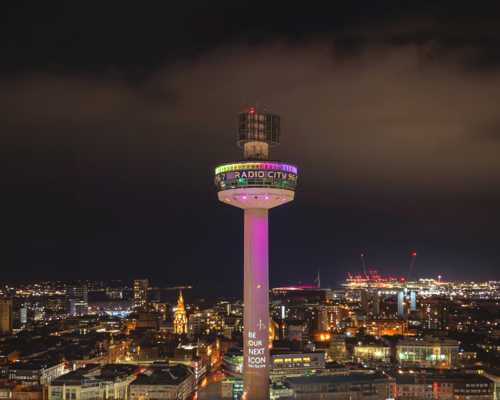
An opportunity to reimagine one of the UK’s most recognisable towers has been formally
opened by Rivington Hark, as St Johns Beacon invites operators and partners to shape its
next phase. [more...]
Chinese president Xi Jinping wants to create the world’s largest sports economy by 2025. He has placed football, the most global of sports, at the heart of his plans
By Tom Walker | Published in Sports Management 16 May 2016 issue 120
China president and football lover Xi Jinping / Mark Schiefelbein / Press Association Images
China has ambitious plans for sport. Led by president Xi Jinping. The single-party central government has announced it wants to create a sports economy worth five trillion yuan (US$800bn, £552.9bn, €702bn) by 2025. If it’s successful, the nation will become the world leader in sport – with it accounting for 1 per cent of China’s total GDP.
Making the announcement in November 2014, President Xi initially offered little detail on how the country of nearly 1.4 billion people plans to achieve its ambitious goals. Since then, however, a clearer picture has emerged. Football, it seems, will act as the driving force behind China’s aspirations. A fan of the beautiful game himself, the president has now set two main goals for the Chinese football revolution – to host the World Cup and to eventually win it.
PHASED PROGRESS Professor Simon Chadwick has been “China-watching” for nearly two decades and has witnessed the emergence of sport as a serious industry from close quarters. Chadwick says that following on from its well-publicised “stadium diplomacy” initiatives – the building of sports venues in developing countries in return for preferential access to natural resources – China’s interest in sport was taken to a new level by its hosting of the Beijing Olympic Games in 2008.
“The Beijing Games were bid for and staged with the agenda of re-establishing China on the world stage,” he says. “The Games were all about projecting a new image of China as a modern, developed and economically strong nation. It was nation-branding on a large scale. By hosting the Games, China was saying ‘we’re here, we’re strong and we’re wielding influence’.”
According to Chadwick, China has now moved to the next stage of its sporting plans – for which Jinping’s statement in November 2014 acted as the firing of the starter pistol. The president’s speech has been followed by a host of Chinese companies dashing to acquire sports-related business interests – such as sports broadcasters and football teams – in mature markets.
Two of the most significant deals were Dalian Wanda, China’s biggest private property developer, buying a 20 per cent stake in Spanish football club Atletico Madrid and China Media Capital spending US$400m (£276.4m, €351.1m) in acquiring a 13 per cent stake in City Football Group – owner of Manchester City FC and the New York City FC.
“What China is now doing is building an entirely new sector of business which wasn’t there before,” Chadwick says. He adds that stage two didn’t just consist of Chinese companies acquiring football businesses and media properties. In early 2016 Chinese football clubs completed a string of high-profile transfers deals for players considered at the top of their game, such as Brazilian Alex Teixeira, ex-Chelsea midfielder Ramires and former Arsenal forward Gervinho, which really caught the attention of the football world.
“Some relatively unknown football clubs in China spent huge amounts of money on some of the world’s best talent – that sounded the alarm bells for many who hadn’t noticed what was going on in China,” says Chadwick. “It really announced that China is here and it means business. It was a clear indication that it has the economic resource – and the will – to do well in that business.”
LIEUTENANTS While China remains officially a communist state, it has for a long time now embraced the tenets of capitalism and has undergone significant economic reform. As a result, there are now multi-billion dollar companies operating inside China and the people leading them are emerging as China’s economic lieutenants.
When it comes to sport, two of these lieutenants – Wang Jianlin and Jack Ma – have emerged as the main drivers of China’s ambitions. Wang owns the Dalian Wanda conglomerate which purchased the 20 per cent stake in Atletico Madrid and he also recently acquired the multinational Infront Sport and Media giant for US$1.2bn (£829.3m, €1.1bn). Wanda also became the first headline sponsor of FIFA since Gianni Infantino became president of the governing body in February.
Meanwhile, Ma – the chief of Alibaba Group – has spent around US$192m (£89.2m, €168.5m) in acquiring a 50 per cent stake in Chinese Super League team Guangzhou Evergrande. To operate the burgeoning portfolio of his sports interest, Ma has launched a separate arm – Alibaba Sports Group.
It is no coincidence either, that it was Ma’s Guangzhou Evergrande which performed one of the most amazing coups of the January 2016 transfer window – the purchase of Colombian star Jackson Martinez for €42m (£33.1m, US$47.9m). Martinez is a player in his peak – a talent chased by several English Premier League clubs – and his move to Evergrande was a clear sign that the Chinese domestic league is more than just a lucrative retirement home for fading stars.
Chadwick says the reasons for the emergence of the “lieutenants” are political – as well as economical. “To understand what’s going on, it’s crucial to understand the political underpinnings,” he says. “The way Chinese business works is that, as a business, you have to be publicly seen to be supporting the state, otherwise it does somewhat constrain your businesses development.
“Take the Evergrande real estate group, which part owns Guangzhou Evergrande FC alongside Jack Ma. It depends upon being able to acquire rights to build properties on state-owned land. Investing in the team will be seen as support for the government’s push on sport. As a result, Evergrande could find it easier to secure planning permissions from the government. So there is a subtle political strand to all of this.”
CASHING IN The political undercurrents and Chinese traditions are something foreign companies will have to take into consideration if they hope to benefit from China’s sporting boom. On the surface, the creation of a new sporting superpower – and the need for the infrastructure and facilities to support it – presents foreign suppliers, architects, training companies and other service providers plenty of opportunities.
Some business is already being conducted, as China begins to look outside of its borders to gain expertise and help. The creation of a grassroots sport sector is one example of this. In football alone, there are now a number of training centres established by foreign companies, often spearheaded by former players. Brazilian soccer legend Ronaldo was the latest (in November 2015) to secure a deal to establish a network of soccer schools in China carrying his name – a total of 30 will open over the next five years.
For Chadwick, however, the future picture is less clear. “There are potentially huge opportunities for foreign businesses to get involved and benefit – but at the same time there might be no opportunities at all,” he says.
“It’s not like doing business in Europe, where you can jump on a plane and you can start selling 3G pitches, for example. You can’t take a plane to China and just say ‘we’re here and this is what we can offer’. There is a lot of regulation and the state keeps a very tight control over what happens in towns, cities and the provinces.
“To do business in China, you either have to set up in China, or else you sell through a local agent. Even if you set up in China, you are required to work with local agents because you need a local license to operate. If you want to export to China, you have to go through a state-approved agent.”
He adds that creating contacts and understanding local practices will be key to success for any company wanting to get involved. “As well as the politics, having genuine relationships with the people you want to work with is crucial.
“The Chinese have something called Quanxi – a type of relationship which is very important to them. If you want to do business with them, they need to trust you on a completely different level than you would expect in Europe.”
Chadwick ends with words of encouragement. “The Chinese really like to do business. They’re constantly on the lookout for opportunities and will do business if it’s right for them.”
The Toverland theme park in the Netherlands has announced a €98m expansion programme
that will add a resort, new attractions and staff facilities as it pursues plans to become a multi-
day destination.
Hotel de France, located on the British Isle of Jersey, has created a wellness retreat package
that includes a hot yoga session that will take place in Jersey Zoo’s butterfly sanctuary.
A new immersive attraction designed to transport visitors into the final hours of ancient Pompeii
is preparing to open near the world-famous archaeological site in southern Italy.
Experience design company, BRC Imagination Arts, has completed a transition that sees founder
Bob Rogers pass ownership of the business to four long-serving senior executives, while
remaining actively involved with the company.
Movie Park Germany has opened a new Paramount Pictures-themed attraction as part of its 30th
anniversary celebrations, using immersive storytelling and adaptive reuse to reinforce the park’s
longstanding “Hollywood in Germany” positioning.
Therme Manchester’s 28-acre development, which will include interconnected glass pavilions
that measure 65,000sq m, will be the largest bathing and wellbeing attraction in the world once
complete, according to prof David Russell, CEO of Therme UK.
Efteling has opened Hooghmoed, a new family drop tower designed to broaden the appeal of its
recently launched Sirene Island themed area and introduce younger visitors to thrill attractions.
A proposed Puy du Fou development near Bicester and Universal Destinations and Experiences’
planned resort in Bedford are emerging as part of a wider transformation of the Oxford–
Cambridge Growth Corridor into a major centre for UK leisure and tourism inv
Shedd Aquarium has opened the Immersion Theater developed in partnership with SimEx-
Iwerks, as part of a wider strategy to enhance the guest experience and create additional
revenue opportunities.
The UK government has announced a temporary reduction in VAT on visitor attractions and
children’s meals as part of a summer cost-of-living support package designed to stimulate the
visitor economy and encourage family days out.
An opportunity to reimagine one of the UK’s most recognisable towers has been formally
opened by Rivington Hark, as St Johns Beacon invites operators and partners to shape its
next phase. [more...]