Latest
issue
GET ATTRACTIONS MANAGEMENT
magazine
Yes! Send me the FREE digital edition of Attractions Management and the FREE weekly Attractions Management ezines and breaking news alerts!
Not right now, thanksclose this window I've already subscribed. I've already subscribed.
Get Attractions Management digital magazine FREE
Sign up here ▸
Jobs   News   Features   Products   Company profilesProfiles   Magazine   Handbook   Advertise    Subscribe  
NEWS
Wellness communities offer ‘huge opportunity’ for spas, says panel
POSTED 02 Mar 2017 . BY Jane Kitchen
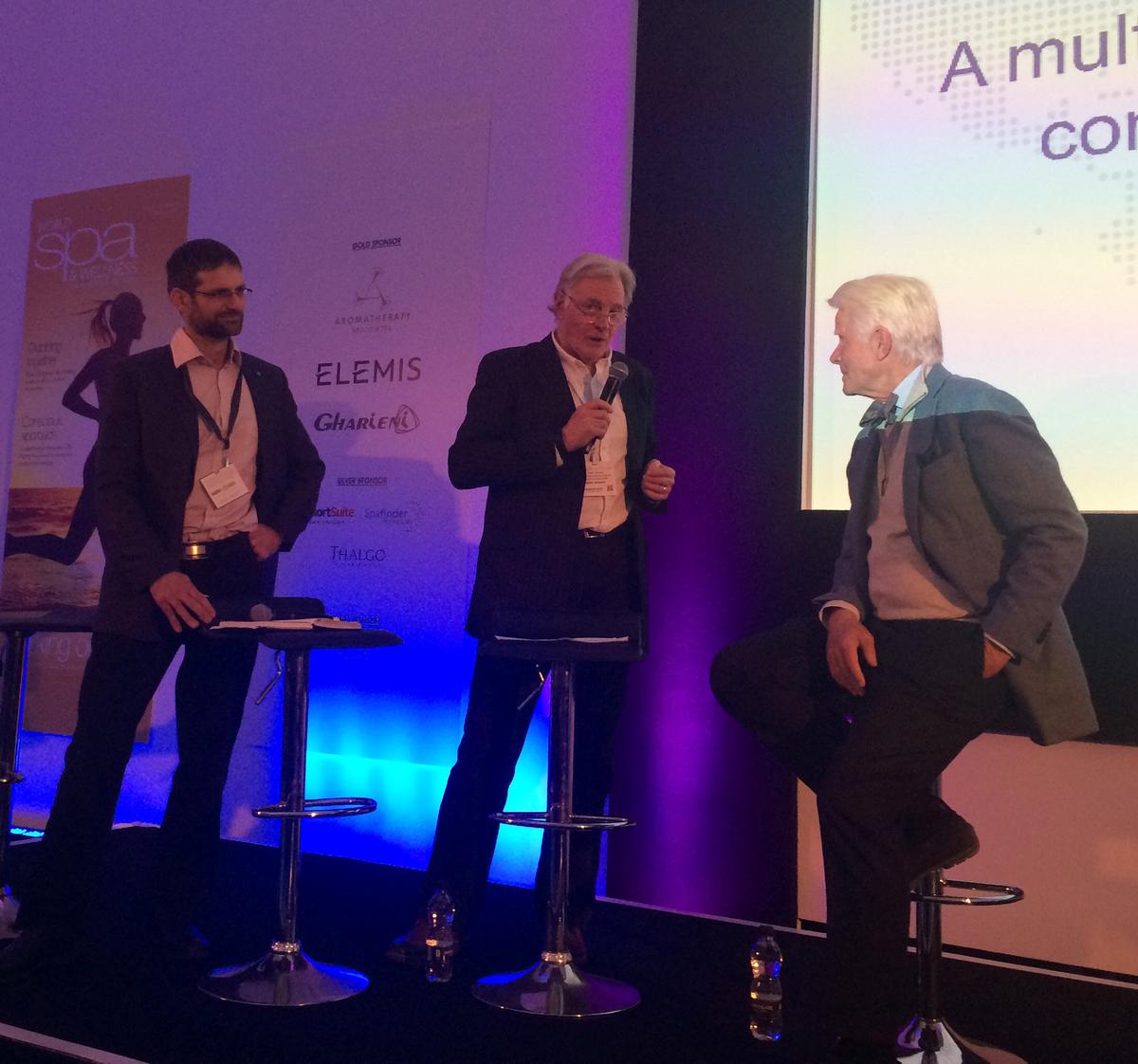
Ben Gill, Professor Terry Stevens and Steve Nygren discuss wellness communities at the World Spa & Wellness Conference in London earlier this week

With these projects, you have a great opportunity to not just exist at the side of things, but to live at the heart of the community
– Mia Kyricos, Kyricos & Associates founder
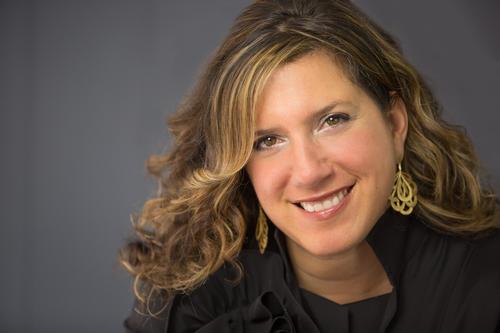
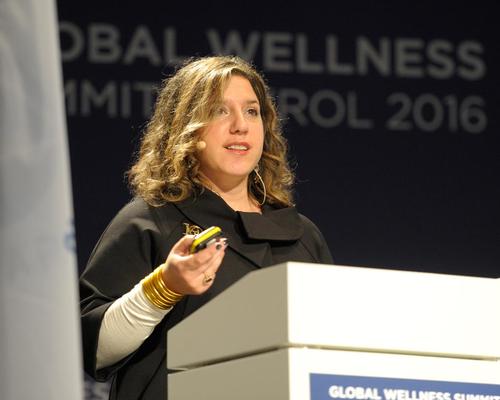
Mia Kyricos, founder of strategic advisory firm Kyricos & Associates, told an audience at the World Spa & Wellness Convention in London that wellness communities grew by 19 per cent from 2013 to 2015, and are worth an estimated US$29bn (€27.5bn, £23.6bn) in Europe and US$48bn (€45.6bn, £39.1bn) in North America.

Kyricos moderated a panel on wellness communities that also included Steve Nygren, president of Serenbe wellness community near Atlanta, US; Ben H Gill, international technical manager for One Planet Communities Programme; and Professor Terry Stevens, founder and managing director of Stevens & Associates.

Stevens said that many of the things we’re looking for in today’s wellness communities are things we took for granted a few generations ago, when we often lived in smaller communities that offered social connections.

“Somewhere in this model of a traditional community, we find what it is we’re looking for on this new horizon,” he said.

Nygren agreed, and said that new regulations have often moved us away from this model.

“The way we lived in our villages 80 or 100 years ago, we had all that we desired,” he said.

Things like local agriculture, social connections, and the ability to spend time in nature are all an important part of life at Serenbe and many other wellness communities, which have been defined by the Global Wellness Institute’s initiative on the subject as “communities and buildings proactively developed with the holistic health of its residents, guests, environment – both natural and built – and local community in mind.”

At Bedzed, a community in south London developed by One Planet, residents know on average more than 20 neighbours by name, said Gill, compared to a national average of eight. This points to a more socially connected community – something that’s proven good for mental wellness.

Stevens said that in order to succeed, wellness communities need to be geographically compact, coherent, and competently managed. “You’re not going to achieve the goals unless there’s competent management,” he said.

Stevens further detailed that several paradigm shifts are helping to fuel the growth of and interest in wellness communities: first, a move toward values not value, where experiences and what something stands for is more important to today’s consumer than what it costs; second, “the rich are buying less but spending more,” said Stevens; and third, “the public sector are recognising that they have to be facilitators but not doers.”

Gill echoed Stevens’ point about buying less but spending more. “Quality can mean different things,” he said. At the One Brighton community in south England, for instance, the quality of the buildings and fixtures is higher, but there is no car park – something those buying into a the community are happy to do without in their quest for well living.

“Millennials and Baby Boomers are both starting to gravitate towards urban environments with a walking grid,” said Nygren. “They want to connect to nature and to each other.”

Looking back at the village model from 100 years ago shows another change, said Stevens: every village had a doctor, who was interested in preventing sickness as much as treating it.

“We have turned our doctors into institutions,” he said. “And there’s a huge opportunity for spas to move into this.”

The panel agreed that wellness communities should include spas, and that they should become part of the culture of vitality and living.

“You have a great opportunity to not just exist at the side of things, but to live at the heart of the community,” said Kyricos.

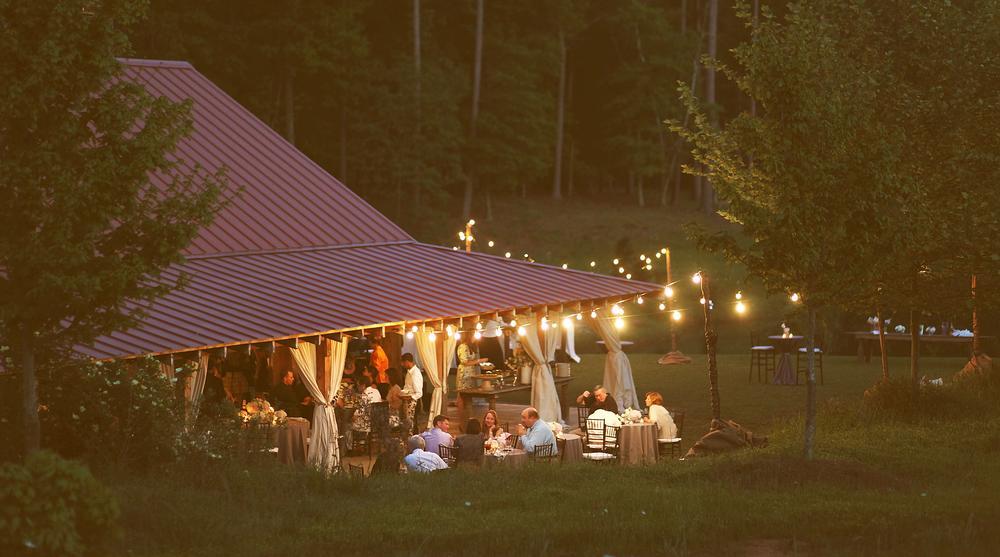
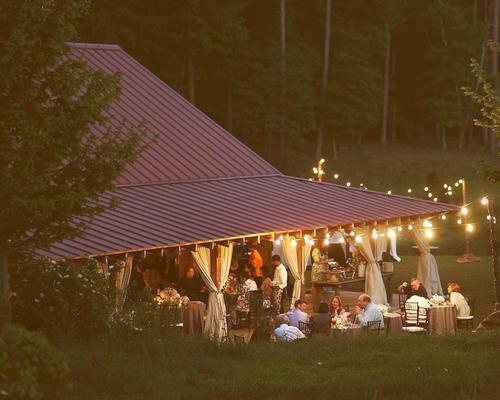
Things like local agriculture, social connections, and the ability to spend time in nature are all an important part of life at Serenbe and many other wellness communities Credit: Serenbe
RELATED STORIES
  Wellness Communities Initiative continues growth


This year, a key emphasis at the Global Wellness Summit was on the Wellness Communities Initiative, spearheaded by Mia Kyricos, who is also founder of strategic advisory firm Kyricos & Associates.
  What three things are necessary to be considered a 'wellness community'? New paper from GWI Initiative aims to define growing real estate segment


The Global Wellness Institute’s Wellness Communities Initiative has written a white paper to address critical issues surrounding the fast-growing wellness real estate market – estimated by the GWI to be a US$100bn (€90bn, £81bn) global marketplace.
  Can placemaking help architects create wellness communities?


The chair of the Global Wellness Institute’s Wellness Communities Initiative has urged architects and developers to embrace placemaking to ensure people live healthy and happy lives.
  Schweder: We are moving from retirement living to wellness communities


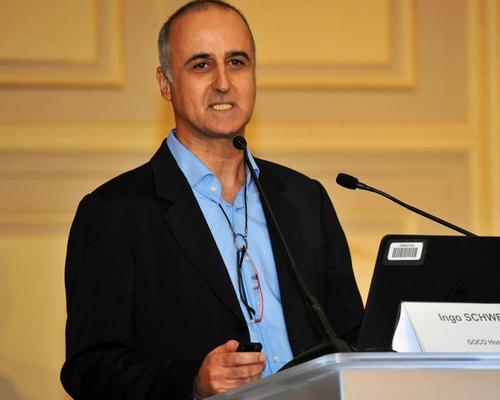
Society is moving from retirement living to wellness communities, according to Ingo Schweder, CEO of GOCO Hospitality, who spoke earlier this month at the Forum Hotel & Spa conference in Paris.
MORE NEWS
London Museum makes destination dining part of the attraction
London Museum will open four new food and drink destinations when it launches its new home at Smithfield on 28 November, making hospitality a central part of the visitor experience at one of the capital's biggest cultural openings of the year.
OMA completes New Museum transformation with landmark expansion and Oberon restaurant
OMA has completed a major transformation of New York's New Museum, creating a larger cultural campus that combines expanded exhibition spaces with learning, performance, hospitality and public programming.
David Rockwell creates immersive magic destination, The Hand and The Eye
A US$50 million (£44.2 million, €51.2 million) transformation of Chicago's historic McCormick Mansion has created a new destination that combines live magic, immersive theatre, dining and private membership under one roof.
Montana Heritage Center opens with immersive exhibits and US$107 million investment
The Montana Historical Society has officially celebrated the opening of its new Montana Heritage Center, a US$107 million (£79 million, €92 million) destination that combines immersive storytelling with cutting-edge audiovisual technology to bring the sta
+ More news   
LATEST JOBS
General Manager, The Needles
Heritage Great Britain
Salary: c£70,000pa + benefits + relocation support
Job location: Isle of Wight , United Kingdom
+ More jobs  

COMPANY PROFILES
IAAPA EMEA

IAAPA Expo Europe was established in 2006 and has grown to the largest international conference and [more...]
instantprint

We’re a Yorkshire-based online printer, founded in 2009 by Adam Carnell and James Kinsella. [more...]
Painting With Light

By combining lighting, video, scenic and architectural elements, sound and special effects we tell s [more...]
Clip 'n Climb

Clip ‘n Climb currently offers facility owners and investors more than 40 colourful and unique Cha [more...]
+ More profiles  
CATALOGUE GALLERY
 

+ More catalogues  
DIRECTORY
+ More directory  
DIARY


23-26 Aug 2026

Elevate Spa Riviera Maya Edition

The Riviera Maya Edition Kanai, Playa del Carmen, Mexico
28-29 Sep 2026

Wellness Destination AI Tech Summit – Tourism, Hospitality & Real Estate, 28-29 Sept 2026

Grand Ballroom, METT Singapore, Singapore
+ More diary  
LATEST ISSUES
+ View Magazine Archive

Attractions Management

2026 issue 1


View issue contents
View on turning pages
Download PDF
FREE digital subscription
Print subscription

Attractions Management

2025 issue 2


View issue contents
View on turning pages
Download PDF
FREE digital subscription
Print subscription

Attractions Management

2025 issue 1


View issue contents
View on turning pages
Download PDF
FREE digital subscription
Print subscription

Attractions Management

2024 issue 4


View issue contents
View on turning pages
Download PDF
FREE digital subscription
Print subscription

Attractions Management News

06 Apr 2020 issue 153


View on turning pages
Download PDF
View archive
FREE digital subscription
Print subscription

Attractions Handbook

2019


View issue contents
View on turning pages
Download PDF
FREE digital subscription
Print subscription
 
ABOUT LEISURE MEDIA
LEISURE MEDIA MAGAZINES
LEISURE MEDIA HANDBOOKS
LEISURE MEDIA WEBSITES
LEISURE MEDIA PRODUCT SEARCH
 
ATTRACTIONS MANAGEMENT
ATTRACTIONS MANAGEMENT NEWS
ATTRACTIONS HANDBOOK
PRINT SUBSCRIPTIONS
FREE DIGITAL SUBSCRIPTIONS
ADVERTISE . CONTACT US

Leisure Media
Tel: +44 (0)1462 431385

©Cybertrek 2026
Get Attractions Management digital magazine FREE
Sign up here ▸
Jobs    News   Products   Magazine   Subscribe
NEWS
Wellness communities offer ‘huge opportunity’ for spas, says panel
POSTED 02 Mar 2017 . BY Jane Kitchen
Ben Gill, Professor Terry Stevens and Steve Nygren discuss wellness communities at the World Spa & Wellness Conference in London earlier this week
With these projects, you have a great opportunity to not just exist at the side of things, but to live at the heart of the community
– Mia Kyricos, Kyricos & Associates founder
Mia Kyricos, founder of strategic advisory firm Kyricos & Associates, told an audience at the World Spa & Wellness Convention in London that wellness communities grew by 19 per cent from 2013 to 2015, and are worth an estimated US$29bn (€27.5bn, £23.6bn) in Europe and US$48bn (€45.6bn, £39.1bn) in North America.

Kyricos moderated a panel on wellness communities that also included Steve Nygren, president of Serenbe wellness community near Atlanta, US; Ben H Gill, international technical manager for One Planet Communities Programme; and Professor Terry Stevens, founder and managing director of Stevens & Associates.

Stevens said that many of the things we’re looking for in today’s wellness communities are things we took for granted a few generations ago, when we often lived in smaller communities that offered social connections.

“Somewhere in this model of a traditional community, we find what it is we’re looking for on this new horizon,” he said.

Nygren agreed, and said that new regulations have often moved us away from this model.

“The way we lived in our villages 80 or 100 years ago, we had all that we desired,” he said.

Things like local agriculture, social connections, and the ability to spend time in nature are all an important part of life at Serenbe and many other wellness communities, which have been defined by the Global Wellness Institute’s initiative on the subject as “communities and buildings proactively developed with the holistic health of its residents, guests, environment – both natural and built – and local community in mind.”

At Bedzed, a community in south London developed by One Planet, residents know on average more than 20 neighbours by name, said Gill, compared to a national average of eight. This points to a more socially connected community – something that’s proven good for mental wellness.

Stevens said that in order to succeed, wellness communities need to be geographically compact, coherent, and competently managed. “You’re not going to achieve the goals unless there’s competent management,” he said.

Stevens further detailed that several paradigm shifts are helping to fuel the growth of and interest in wellness communities: first, a move toward values not value, where experiences and what something stands for is more important to today’s consumer than what it costs; second, “the rich are buying less but spending more,” said Stevens; and third, “the public sector are recognising that they have to be facilitators but not doers.”

Gill echoed Stevens’ point about buying less but spending more. “Quality can mean different things,” he said. At the One Brighton community in south England, for instance, the quality of the buildings and fixtures is higher, but there is no car park – something those buying into a the community are happy to do without in their quest for well living.

“Millennials and Baby Boomers are both starting to gravitate towards urban environments with a walking grid,” said Nygren. “They want to connect to nature and to each other.”

Looking back at the village model from 100 years ago shows another change, said Stevens: every village had a doctor, who was interested in preventing sickness as much as treating it.

“We have turned our doctors into institutions,” he said. “And there’s a huge opportunity for spas to move into this.”

The panel agreed that wellness communities should include spas, and that they should become part of the culture of vitality and living.

“You have a great opportunity to not just exist at the side of things, but to live at the heart of the community,” said Kyricos.
Things like local agriculture, social connections, and the ability to spend time in nature are all an important part of life at Serenbe and many other wellness communities Credit: Serenbe
RELATED STORIES
Wellness Communities Initiative continues growth


This year, a key emphasis at the Global Wellness Summit was on the Wellness Communities Initiative, spearheaded by Mia Kyricos, who is also founder of strategic advisory firm Kyricos & Associates.
What three things are necessary to be considered a 'wellness community'? New paper from GWI Initiative aims to define growing real estate segment


The Global Wellness Institute’s Wellness Communities Initiative has written a white paper to address critical issues surrounding the fast-growing wellness real estate market – estimated by the GWI to be a US$100bn (€90bn, £81bn) global marketplace.
Can placemaking help architects create wellness communities?


The chair of the Global Wellness Institute’s Wellness Communities Initiative has urged architects and developers to embrace placemaking to ensure people live healthy and happy lives.
Schweder: We are moving from retirement living to wellness communities


Society is moving from retirement living to wellness communities, according to Ingo Schweder, CEO of GOCO Hospitality, who spoke earlier this month at the Forum Hotel & Spa conference in Paris.
MORE NEWS
London Museum makes destination dining part of the attraction
London Museum will open four new food and drink destinations when it launches its new home at Smithfield on 28 November, making hospitality a central part of the visitor experience at one of the capital's biggest cultural openings of the year.
OMA completes New Museum transformation with landmark expansion and Oberon restaurant
OMA has completed a major transformation of New York's New Museum, creating a larger cultural campus that combines expanded exhibition spaces with learning, performance, hospitality and public programming.
David Rockwell creates immersive magic destination, The Hand and The Eye
A US$50 million (£44.2 million, €51.2 million) transformation of Chicago's historic McCormick Mansion has created a new destination that combines live magic, immersive theatre, dining and private membership under one roof.
Montana Heritage Center opens with immersive exhibits and US$107 million investment
The Montana Historical Society has officially celebrated the opening of its new Montana Heritage Center, a US$107 million (£79 million, €92 million) destination that combines immersive storytelling with cutting-edge audiovisual technology to bring the sta
Universal launches new theme park model with Kids Resort
Universal Destinations and Experiences has launched a new regional theme park model with the opening of Universal Kids Resort in Frisco, Texas.
San Antonio Zoo reports $283 million economic impact as expansion plans progress
San Antonio Zoo has reported a US$283 million economic impact for 2025, following a decade- long transformation programme that has seen almost US$200 million invested into the Texas attraction.
+ More news   
 
COMPANY PROFILES
IAAPA EMEA

IAAPA Expo Europe was established in 2006 and has grown to the largest international conference and [more...]
instantprint

We’re a Yorkshire-based online printer, founded in 2009 by Adam Carnell and James Kinsella. [more...]
Painting With Light

By combining lighting, video, scenic and architectural elements, sound and special effects we tell s [more...]
Clip 'n Climb

Clip ‘n Climb currently offers facility owners and investors more than 40 colourful and unique Cha [more...]
+ More profiles  
CATALOGUE GALLERY
+ More catalogues  
DIRECTORY
+ More directory  
DIARY


23-26 Aug 2026

Elevate Spa Riviera Maya Edition

The Riviera Maya Edition Kanai, Playa del Carmen, Mexico
28-29 Sep 2026

Wellness Destination AI Tech Summit – Tourism, Hospitality & Real Estate, 28-29 Sept 2026

Grand Ballroom, METT Singapore, Singapore
+ More diary  


ADVERTISE . CONTACT US

Leisure Media
Tel: +44 (0)1462 431385

©Cybertrek 2026

ABOUT LEISURE MEDIA
LEISURE MEDIA MAGAZINES
LEISURE MEDIA HANDBOOKS
LEISURE MEDIA WEBSITES
LEISURE MEDIA PRODUCT SEARCH
ATTRACTIONS MANAGEMENT NEWS
ATTRACTIONS HANDBOOK
PRINT SUBSCRIPTIONS
FREE DIGITAL SUBSCRIPTIONS