A new exhibition hall dedicated to the discovery and understanding of human evolution has opened at the Smithsonian's National Museum of Natural History in Washington, DC, USA.
The opening of the US$20.7m (£13.5m, €15.1m) David H.Koch Hall of Human Origins coincides with the 100-year anniversary of the museum's official opening on the city's National Mall.
The 15,000sq ft exhibition highlights the major milestones in the origin of human beings and the periods of climate change, survival and extinction that have characterised the ancient past of the human race.
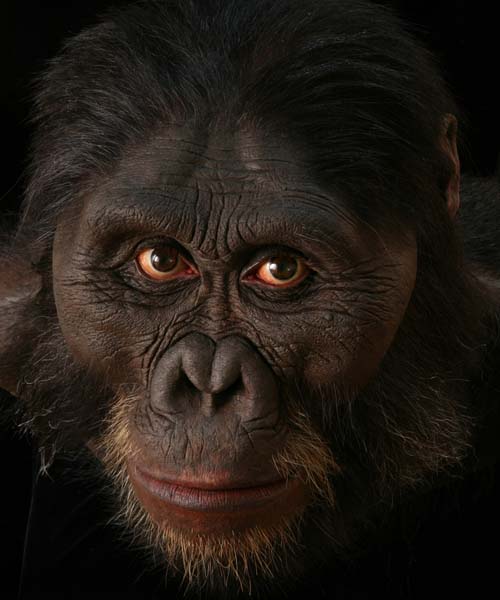
On entering from the museum's Sant Ocean Hall, visitors travel through a time tunnel depicting life and environments over the past six million years. They will also be able to interact with the forensically reconstructed faces of prehistoric human relatives, a feature the museum says is designed to provide visitors with a sense of personal involvement.
Other key features in the exhibition include interactive snapshots in time based on the actual field sites where research is being conducted; a display of more than 75 exact replica skulls; an interactive human family tree showcasing six million years of evolutionary evidence from around the world; a 'One Species Living Worldwide' amphitheatre show; and a 'Changing the World' gallery, in which visitors can address issues surrounding climate change and humans' impact on the earth.
The hall will be complemented by ongoing human origins research and education programmes, all key components of the museum's broader initiative, 'Human Origins: What Does It Mean to Be Human?' This focuses on the story of human evolution and how the defining characteristics of the human species have evolved over millions of years in response to a changing world.
A new Smithsonian Human Origins website has also been created, offering interactive experiences and 3-D renderings of many of the human fossils on display.
The hall is named for David H. Koch, executive vice president of Koch Industries Inc. and well-known philanthropist, whose US$15m (£9.8m, €11m) donation enabled its development. The museum itself saw more than 7.4 million visitors in 2009, making it the most visited museum in the US.
Picture courtesy of John Gurche