Earthquake simulator the centre of new educational tourist attraction in Costa Rica
POSTED 23 Oct 2015 . BY Tom Anstey
The education project Magmática simulates a 6.3-magnitude earthquake – the same level that happened in the city in 1910
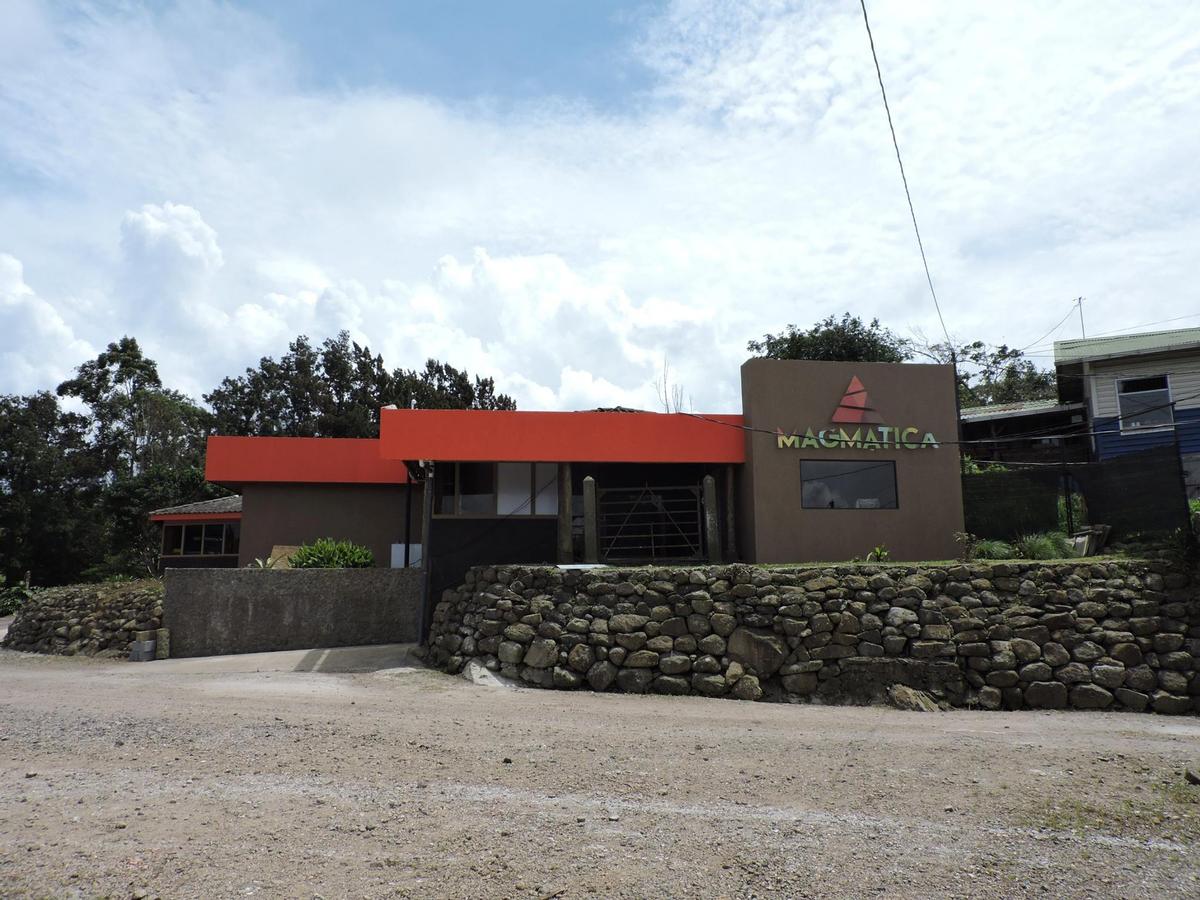
A new tourist attraction has debuted in Cartago, Costa Rica, giving visitors the opportunity to experience the effects of a powerful earthquake.
The education project Magmática simulates a 6.3-magnitude earthquake – the same power level that happened in the city in 1910, resulting in more than 700 deaths. The event, known as ‘Santa Mónica’s earthquake’ left the city in which the geological exhibition stands in ruins and became an important milestone in failsafes and prevention methods that would be applied to the entire country. In addition to the Cartago quake, the simulator will also be able to reproduce the force felt during the 7.6-magnitude 1991 Limón earthquake in Costa Rica and the 8.8-magnitude Chile earthquake, which happened in 2010.
“The earthquake simulator, more than an adventure, is meant to sensitise people to take preventive measures and actions in our homes and communities toward this kind of situations,” said Marcela Calvo, president of Magmática. “I hope people can come and experiment earthquakes with other eyes – the eyes of prevention.”
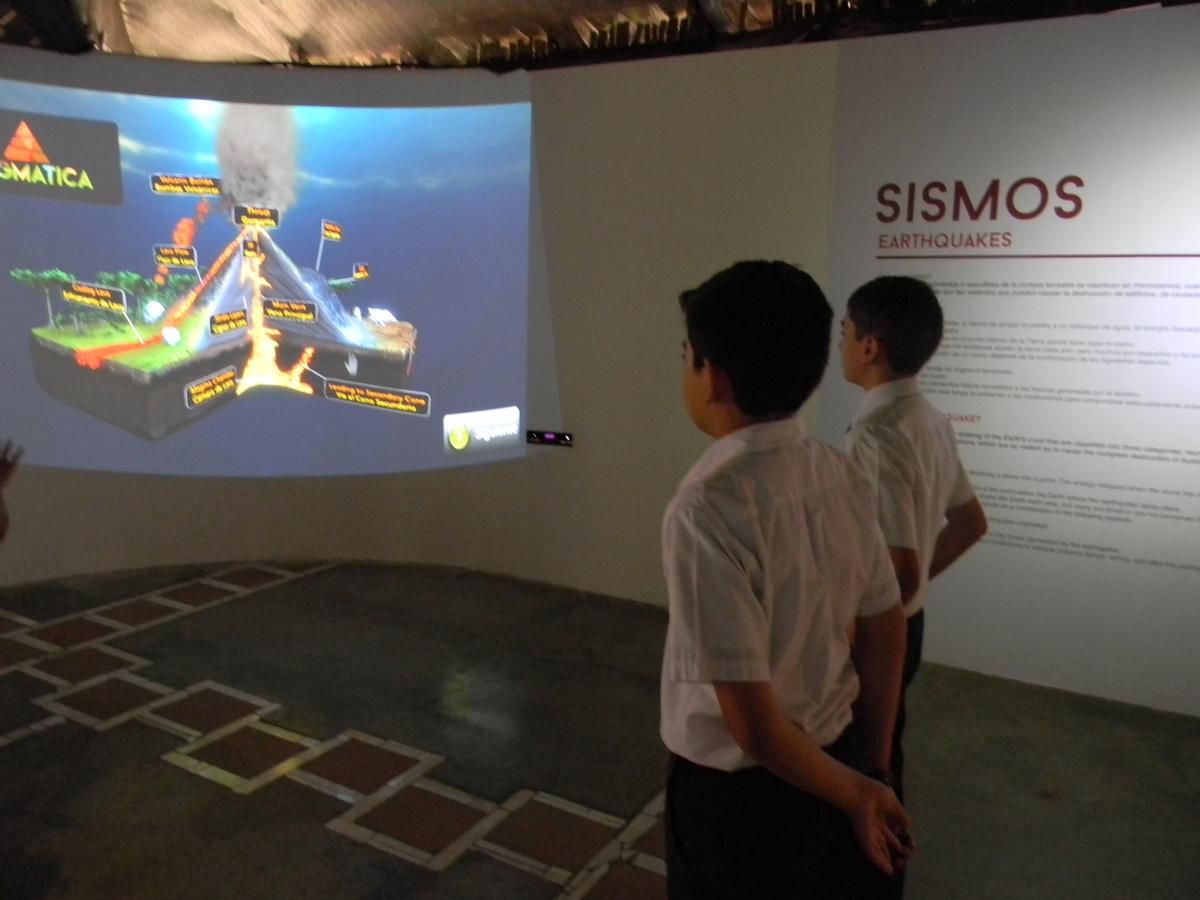
An entire exhibition has been built around the simulator, which is the climactic end to the experience. The exhibition will teach visitors how Costa Rica acts as a biological bridge between South and North America. Using interactive screens and touch technology, users can learn about geological formation of continents and how volcanic and seismic activity affected the formation of the country. The exhibit will also looks at indigenous legends and the country’s volcanoes.
“Our educational system suffers many failures, including high dropout levels and infrastructure problems,” said Calvo. “We want to contribute and this project is an educational alternative for students, as we teach these topics in an entertaining, innovative and fun way.”
In addition to the exhibit and simulator, Magmática also offers a Costa Rican restaurant, five-aside-football pitches, a souvenir store and eco-friendly green zones.
Architects Foundation launches earthquake-resistant reconstruction scheme for Nepal POSTED 21 Jul 2015. BY Tom Anstey Following the devastation caused by April’s Nepal earthquake the Architects Foundation
(AF) – an arm of the American Institute of Architects – has outlined plans to rebuild parts
of the Himalayan nation, with like-for-like earthquake-resilient design principles being
implemented.
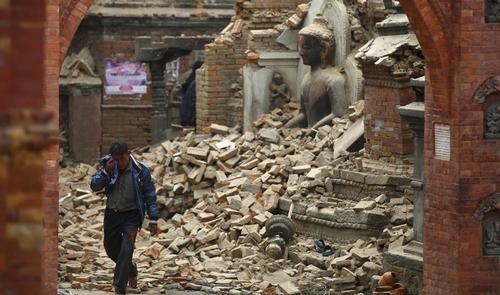
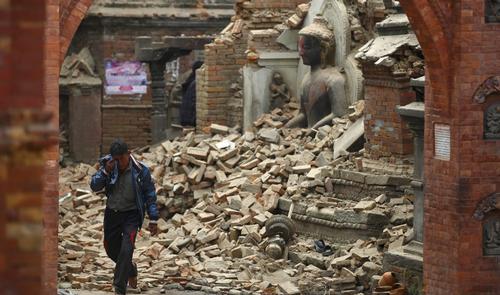
UNESCO mobilises experts to asses earthquake damage to Nepal heritage sites POSTED 01 May 2015. BY Tom Anstey Following the loss of culture and human life in the wake of the Nepal earthquake late last
week, UNESCO is taking steps to asses and try to manage the damage to heritage sites
across the country.
OMA has completed a major transformation of New York's New Museum, creating a larger
cultural campus that combines expanded exhibition spaces with learning, performance,
hospitality and public programming.
A US$50 million (£44.2 million, €51.2 million) transformation of Chicago's historic McCormick
Mansion has created a new destination that combines live magic, immersive theatre, dining and
private membership under one roof.
The Montana Historical Society has officially celebrated the opening of its new Montana
Heritage
Center, a US$107 million (£79 million, €92 million) destination that combines immersive
storytelling with cutting-edge audiovisual technology to bring the sta
Earthquake simulator the centre of new educational tourist attraction in Costa Rica
POSTED 23 Oct 2015 . BY Tom Anstey
The education project Magmática simulates a 6.3-magnitude earthquake – the same level that happened in the city in 1910
A new tourist attraction has debuted in Cartago, Costa Rica, giving visitors the opportunity to experience the effects of a powerful earthquake.
The education project Magmática simulates a 6.3-magnitude earthquake – the same power level that happened in the city in 1910, resulting in more than 700 deaths. The event, known as ‘Santa Mónica’s earthquake’ left the city in which the geological exhibition stands in ruins and became an important milestone in failsafes and prevention methods that would be applied to the entire country. In addition to the Cartago quake, the simulator will also be able to reproduce the force felt during the 7.6-magnitude 1991 Limón earthquake in Costa Rica and the 8.8-magnitude Chile earthquake, which happened in 2010.
“The earthquake simulator, more than an adventure, is meant to sensitise people to take preventive measures and actions in our homes and communities toward this kind of situations,” said Marcela Calvo, president of Magmática. “I hope people can come and experiment earthquakes with other eyes – the eyes of prevention.”
An entire exhibition has been built around the simulator, which is the climactic end to the experience. The exhibition will teach visitors how Costa Rica acts as a biological bridge between South and North America. Using interactive screens and touch technology, users can learn about geological formation of continents and how volcanic and seismic activity affected the formation of the country. The exhibit will also looks at indigenous legends and the country’s volcanoes.
“Our educational system suffers many failures, including high dropout levels and infrastructure problems,” said Calvo. “We want to contribute and this project is an educational alternative for students, as we teach these topics in an entertaining, innovative and fun way.”
In addition to the exhibit and simulator, Magmática also offers a Costa Rican restaurant, five-aside-football pitches, a souvenir store and eco-friendly green zones.
Architects Foundation launches earthquake-resistant reconstruction scheme for Nepal POSTED 21 Jul 2015. BY Tom Anstey Following the devastation caused by April’s Nepal earthquake the Architects Foundation
(AF) – an arm of the American Institute of Architects – has outlined plans to rebuild parts
of the Himalayan nation, with like-for-like earthquake-resilient design principles being
implemented.
UNESCO mobilises experts to asses earthquake damage to Nepal heritage sites POSTED 01 May 2015. BY Tom Anstey Following the loss of culture and human life in the wake of the Nepal earthquake late last
week, UNESCO is taking steps to asses and try to manage the damage to heritage sites
across the country.
OMA has completed a major transformation of New York's New Museum, creating a larger
cultural campus that combines expanded exhibition spaces with learning, performance,
hospitality and public programming.
A US$50 million (£44.2 million, €51.2 million) transformation of Chicago's historic McCormick
Mansion has created a new destination that combines live magic, immersive theatre, dining and
private membership under one roof.
The Montana Historical Society has officially celebrated the opening of its new Montana
Heritage
Center, a US$107 million (£79 million, €92 million) destination that combines immersive
storytelling with cutting-edge audiovisual technology to bring the sta
San Antonio Zoo has reported a US$283 million economic impact for 2025, following a decade-
long transformation programme that has seen almost US$200 million invested into the Texas
attraction.
Plans for the AU$180 million redevelopment of Reef HQ Aquarium in Townsville, Australia, are
progressing, with the project set to transform the attraction into a global centre for reef
education and conservation.
+ More news
COMPANY PROFILES
Alterface Alterface’s Creative Division team is
seasoned in concept and ride development,
as well as storyte [more...]