There are many IP success stories as attractions incorporate popular brands in a variety of ways. But there’s plenty to consider before taking the plunge. Lesley Morisetti presents her exclusive research
By Lesley Morisetti | Published in Attractions Management 2015 issue 1
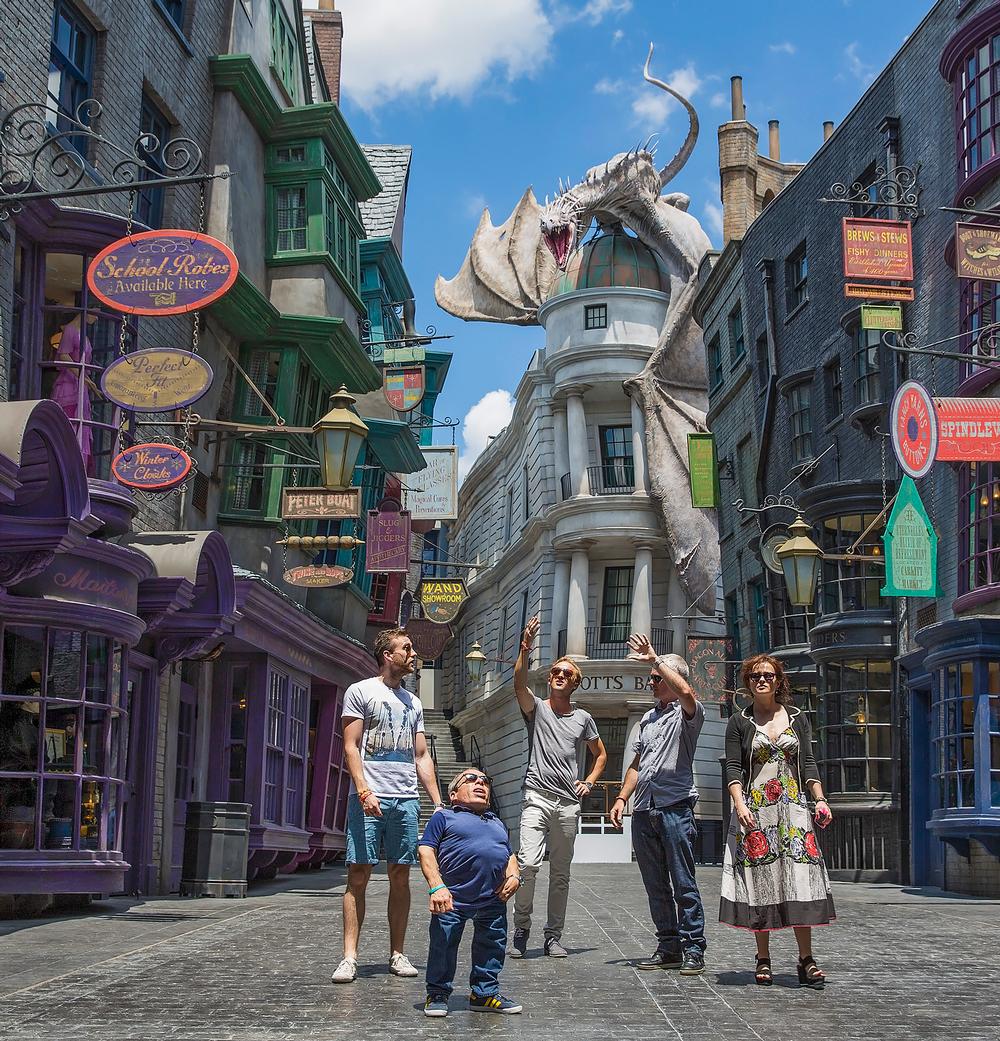
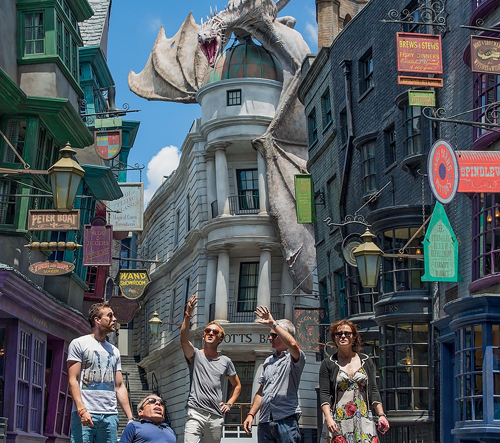
Stars of the Harry Potter films tour Diagon Alley at Universal Studios Florida
The recent success of intellectual property (IP)-led developments like the Wizarding World of Harry Potter at Universal Orlando Resort has encouraged more IP owners to consider bringing their characters to life within visitor attractions.
To understand this trend better I conducted research into the development of IP experiences at attractions, including interviews with attraction and IP owners, supported by my own experiences.
We define IP as “knowledge, creative ideas, or expressions of the human mind that have a commercial value and are protectable under copyright, trademark, design rights and patent law.”
Examples include brand names, registered designs, and works of an artistic, literary or musical nature.
Why Develop IP Experiences? Visitor attractions typically benefit from existing knowledge and awareness of the IP (and, in the case of Harry Potter, a vast fan base across the globe). But what about the IPs – is it all about the money?
Many IP owners are looking at attractions as a potential new income stream (particularly as core areas such DVD sales decline). But typically income from visitor attractions is only a small proportion of an IP’s total turnover and so it’s definitely not all about the money. For example, when Walt Disney developed the Disneyland theme parks it was to ensure – very successfully – the longevity of his mainly film-based IPs.
Brands like Lego and Warner Brothers have followed the Disney route, creating whole attractions based on their IPs, but the majority of IP development involves existing attractions adding an IP branded experience to their offer.
Three Levels of Investment When it comes to the depth of the commitment to the IP, there’s a range:
1. Temporary Events Entry level commitment can involve costumed characters appearing for short periods of time. This is a low-cost option which tests characters against the attraction’s audience with limited risk if the IP turns out not to be popular.
The character Peppa Pig “visited” Paultons Park, UK, in 2008. The IP proved highly popular and aligned with the park brand and as a result, Peppa Pig World opened at the park in 2011.
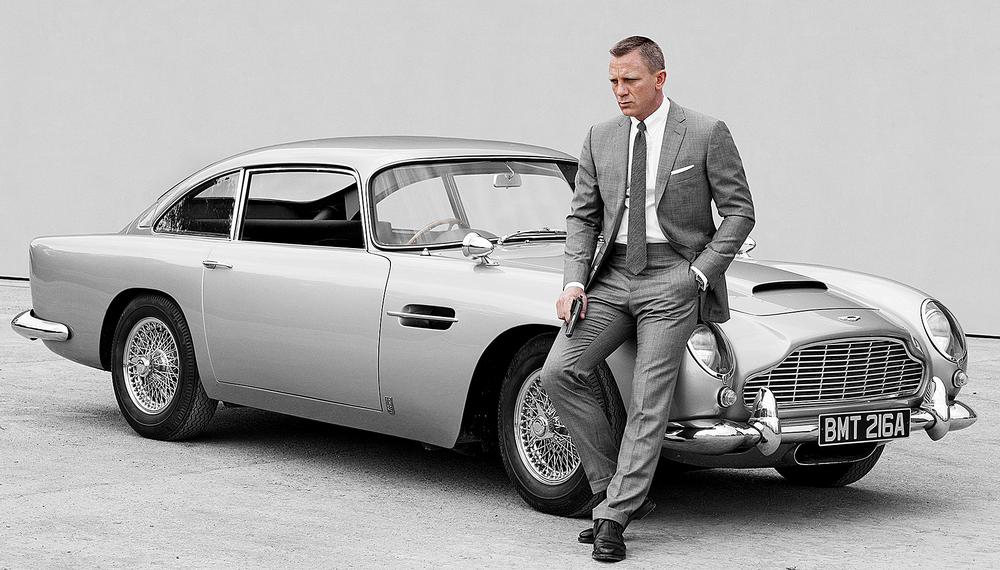
Temporary exhibitions can associate attractions with popular IPs for relatively low investment. They can also shift perceptions, as at Britain’s Beaulieu National Motor Museum where a James Bond-themed event – Bond in Motion – retained the motor connection which is crucial for the brand, but also widened the appeal of Beaulieu beyond car enthusiasts.
2. IP Branded rides/experiences: The next level of IP development is to brand a single ride or experience within the attraction. The incremental costs of adding the IP to a development or attraction can vary from a simple ride-naming exercise to creating highly immersive, IP-branded experiences.
The IP adds an extra ‘incentive to visit’ and/or supports the re-positioning of the attraction. Well-chosen IPs can increase the emotional connection with the visitor, taking the pressure off expensive ride hardware to deliver the experience, and support attendance growth.
3. IP Lands within attractions: Attractions and IPs increasingly recognise the benefits of going a step further and recreating the IP’s environment to truly immerse the visitor in the world of the IP.
However, investment levels are higher, with £6m to £9m ($9m to $14m, €8m to €12m) quoted for developments in the UK such as CBeebies at Alton Towers, Peppa Pig World, Thomas Land at Drayton Manor Park, and over $400 million (£262m, €353m) for Diagon Alley at Universal Studios Orlando, US.
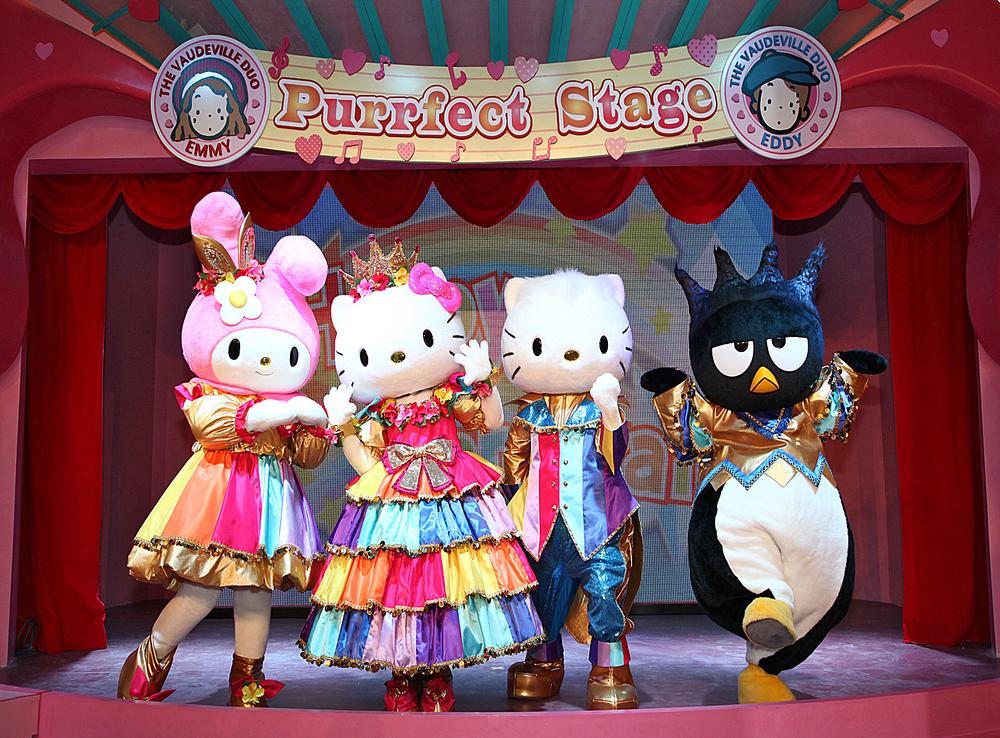
Other examples include the perennially popular Asian IP Hello Kitty. Hello Kitty Town already exists at Puteri Harbour in Malaysia and Hello Kitty IP lands are planned for Ancol Dreamland in Indonesia and Drusilla’s in the UK. PortAventura is adding to its existing IP-led areas with Ferrari Land in 2016.
Returns on these investments can be substantial, particularly for mid-scale attractions where the addition of an IP land can dramatically shift both attendance and income. However, the risks are also greater and the impact of choosing an inappropriate IP or failing to meet the expectations of the IP’s fans can be highly detrimental to the attraction.
Successful IP Development My research identified the following areas as being critical:
1. Have clear objectives, such as extending the offer to attract new audiences – for example, young families, as shown with the addition of CBeebies at Alton Towers or SésamoAventura at PortAventura – or shifting the image of the attraction. Have a clear view of the type of development – temporary or permanent – and the investment you can commit.
2. Identify best IPs to achieve these objectives. The right IPs rarely come to you but are the result of proactively looking for IPs which are the best fit and which will survive long enough to warrant the investment being made. The higher the investment the more reassurance required that the IP will endure. Critically, ensure both parties’ ambitions are aligned. If you want to brand a small children’s ride, but the IP wants the equivalent of the Wizarding World of Harry Potter then walk away and find a better fit. Select an IP which can be successfully translated into an attraction environment in a way which will satisfy its fiercest fans.
3. Allow time to build strong relationships with both the IP owner who negotiates the agreement and the IP creative team who oversees and approves the development process. Simple temporary events can take up to six months, while major developments can take 2-3 years.
4. Inspire and enthuse the IP team. An incremental source of revenue is important to them, but protecting the reputation of the IP, and hence their core income streams, is going to always be their main concern. Provide reassurance that you will respect and protect the IP and have the capacity to bring it to life in a way film or television cannot do.
5. Ensure negotiations for licence agreements are based on solid business planning. IP owners are rarely aware of the realities of attraction economics. Enter negotiations with a good estimate of the incremental impact of adding the IP in both revenue and cost terms to ensure you negotiate a fair agreement which allows both parties to benefit.
Look over the full term of the agreement, as following the launch year the impact often diminishes. The term of the agreement should be sufficient to pay-back on investment, for example, a 10-year period with options to renew.
IP owners are more used to negotiating two to three year licence agreements so again “education” is often required.
6. Be clear about your ongoing needs. Specify what support you require, such as exclusivity within a region or sector and commitment for the term.
Licence Agreements Licence agreements typically have two components:
• A fixed upfront fee, which guarantees exclusivity for the development period and funds the IP’s costs for supporting the development.
• An annual share of the incremental revenue or profit for the term of the agreement. A fixed fee helps attractions plan and avoids complications determining what growth is specific to the addition of the IP. Or it’s a percentage of incremental revenue, in which case the IP owner needs a guaranteed fixed amount, normally about 50 per cent of the expected total.
Individual licencing agreements vary considerably. To generalise, the annual cost can range from 4 to 10 per cent of incremental admissions revenue and 8 to 10 per cent of IP branded merchandise income. You’ll also incur costs relating to time spent liaising with the IP team and possibly higher investment costs relating to the addition of the IP.
IMPACT OF IP DEVELOPMENT The impact of IP development varies considerably but the majority of attractions I reviewed experienced volume growth.
For most, increases in admission price related more to the scale of the development than the involvement of the IP. Hence the main driver of income growth was higher attendances, with IP-related merchandise sales a strong secondary benefit. The greatest impact was often at mid-scale attractions adding an IP land, with examples of attendance growth of 30 to 100 per cent. On a larger scale, the Wizarding World of Harry Potter grew attendance at Universal’s Islands of Adventure by over 70 per cent in its first two years.
But it’s not all about money. The emotional connection that a visitor has with an IP experience can be far greater than for other attraction experiences, a considerable benefit for both the attraction and the IP owner.
Read more from this issue of Attractions Management magazine
View contents of Attractions Management 2015 issue 1
Interview: Dominique Cocquet
Euro Disney’s Villages Nature is
a next-generation approach to
park accommodation with leading
eco credentials. Resort manager
Dominque Cocquet tells all
Rides: The Ride Makers
In the second part of our series,
industry-leading manufacturers tell us
about the latest trends in family-friendly
coasters and child-friendly rides
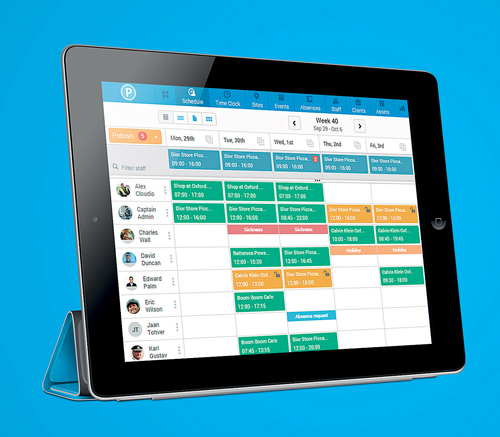
Workplace Apps: Work Mates
Apps that manage an attraction’s
workforce make life easier for operators.
Could this software help you?
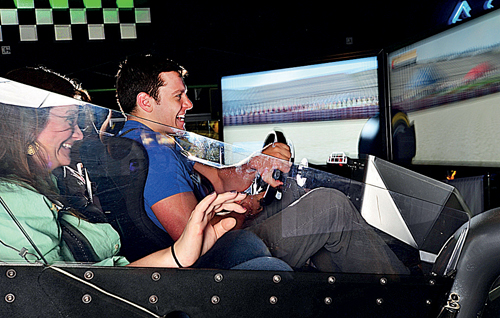
3D/4D/5D: New Dimensions
From zombie-themed dark rides to
3D films about supersonic cars, its the
latest news, products and launches
from the world of 3D/4D/5D
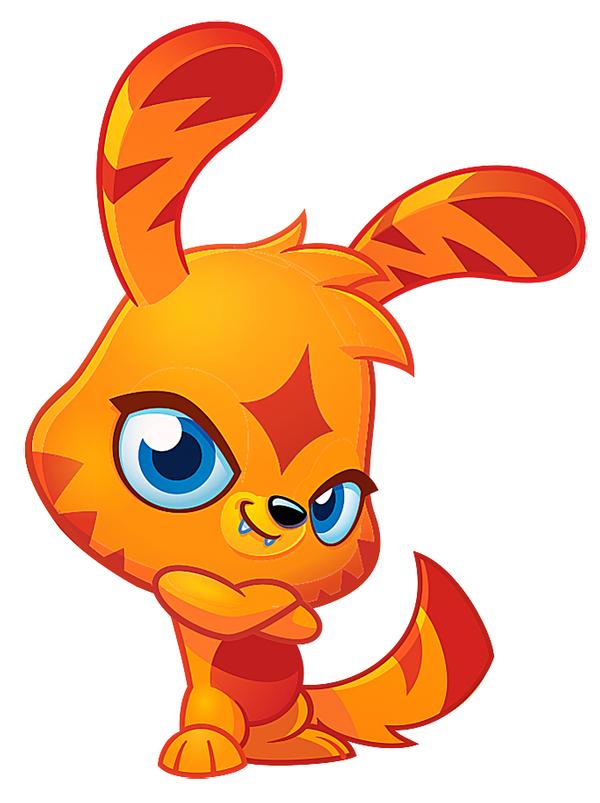
CASE STUDY: National Media Museum, Bradford, UK For the past three years the National Media Museum in Bradford has run temporary IP-branded events. IP partners have included Moshi Monsters, Horrible Histories and Horrid Henry. Entry to the events is free, with any charges for activities aimed at just covering costs.
The museum aims to boost visitor numbers and to use the IPs to increase engagement with its collection.
Potential IP partners have to have a close fit with the collection – TV, film or game-related IPs fit best – and appeal strongly to the museum’s audience.
Critically, the IP has to feel the association with the museum brand and its audience is worth the agreement as the museum is not in a position to pay licence fees for the events. The fact the event is temporary and the museum is free helps with this.
RESULTS • Including IPs in the advertising posters increases cut through (up to 80 per cent recall compared to 25 to 30 per cent for generic posters) • Events have grown in attendance an estimated 20 to 30 per cent • Events have helped broaden the area from which visitors travel and increased the number of first time visitors • Income through IP-branded merchandise sales
Moshi Monsters have proved a popular draw
About the author
Lesley Morisetti launched Morisetti Associates in 2010 to work with visitor attractions and experience providers, building on 30 years of international operational and consultancy experience. www.morisettiassociates.com
Hello Kitty Town at Puteri Harbour in Malaysia taps into the IP’s popularity
Bond in Motion is currently showing at London Film Museum
COMPANY PROFILES
IDEATTACK
IDEATTACK is a full-service planning and
design company with headquarters in
Los Angeles. [more...]
Holovis
Holovis is a privately owned company
established in 2004 by CEO Stuart
Hetherington. [more...]
DJW
David & Lynn Willrich started the Company
over thirty years ago, from the Audio Visual
Department [more...]
Simworx Ltd
The company was initially established
in 1997. Terry Monkton and Andrew
Roberts are the key stakeh [more...]
An opportunity to reimagine one of the UK’s most recognisable towers has been formally
opened by Rivington Hark, as St Johns Beacon invites operators and partners to shape its
next phase. [more...]
There are many IP success stories as attractions incorporate popular brands in a variety of ways. But there’s plenty to consider before taking the plunge. Lesley Morisetti presents her exclusive research
By Lesley Morisetti | Published in Attractions Management 2015 issue 1
Stars of the Harry Potter films tour Diagon Alley at Universal Studios Florida
The recent success of intellectual property (IP)-led developments like the Wizarding World of Harry Potter at Universal Orlando Resort has encouraged more IP owners to consider bringing their characters to life within visitor attractions.
To understand this trend better I conducted research into the development of IP experiences at attractions, including interviews with attraction and IP owners, supported by my own experiences.
We define IP as “knowledge, creative ideas, or expressions of the human mind that have a commercial value and are protectable under copyright, trademark, design rights and patent law.”
Examples include brand names, registered designs, and works of an artistic, literary or musical nature.
Why Develop IP Experiences? Visitor attractions typically benefit from existing knowledge and awareness of the IP (and, in the case of Harry Potter, a vast fan base across the globe). But what about the IPs – is it all about the money?
Many IP owners are looking at attractions as a potential new income stream (particularly as core areas such DVD sales decline). But typically income from visitor attractions is only a small proportion of an IP’s total turnover and so it’s definitely not all about the money. For example, when Walt Disney developed the Disneyland theme parks it was to ensure – very successfully – the longevity of his mainly film-based IPs.
Brands like Lego and Warner Brothers have followed the Disney route, creating whole attractions based on their IPs, but the majority of IP development involves existing attractions adding an IP branded experience to their offer.
Three Levels of Investment When it comes to the depth of the commitment to the IP, there’s a range:
1. Temporary Events Entry level commitment can involve costumed characters appearing for short periods of time. This is a low-cost option which tests characters against the attraction’s audience with limited risk if the IP turns out not to be popular.
The character Peppa Pig “visited” Paultons Park, UK, in 2008. The IP proved highly popular and aligned with the park brand and as a result, Peppa Pig World opened at the park in 2011.
Temporary exhibitions can associate attractions with popular IPs for relatively low investment. They can also shift perceptions, as at Britain’s Beaulieu National Motor Museum where a James Bond-themed event – Bond in Motion – retained the motor connection which is crucial for the brand, but also widened the appeal of Beaulieu beyond car enthusiasts.
2. IP Branded rides/experiences: The next level of IP development is to brand a single ride or experience within the attraction. The incremental costs of adding the IP to a development or attraction can vary from a simple ride-naming exercise to creating highly immersive, IP-branded experiences.
The IP adds an extra ‘incentive to visit’ and/or supports the re-positioning of the attraction. Well-chosen IPs can increase the emotional connection with the visitor, taking the pressure off expensive ride hardware to deliver the experience, and support attendance growth.
3. IP Lands within attractions: Attractions and IPs increasingly recognise the benefits of going a step further and recreating the IP’s environment to truly immerse the visitor in the world of the IP.
However, investment levels are higher, with £6m to £9m ($9m to $14m, €8m to €12m) quoted for developments in the UK such as CBeebies at Alton Towers, Peppa Pig World, Thomas Land at Drayton Manor Park, and over $400 million (£262m, €353m) for Diagon Alley at Universal Studios Orlando, US.
Other examples include the perennially popular Asian IP Hello Kitty. Hello Kitty Town already exists at Puteri Harbour in Malaysia and Hello Kitty IP lands are planned for Ancol Dreamland in Indonesia and Drusilla’s in the UK. PortAventura is adding to its existing IP-led areas with Ferrari Land in 2016.
Returns on these investments can be substantial, particularly for mid-scale attractions where the addition of an IP land can dramatically shift both attendance and income. However, the risks are also greater and the impact of choosing an inappropriate IP or failing to meet the expectations of the IP’s fans can be highly detrimental to the attraction.
Successful IP Development My research identified the following areas as being critical:
1. Have clear objectives, such as extending the offer to attract new audiences – for example, young families, as shown with the addition of CBeebies at Alton Towers or SésamoAventura at PortAventura – or shifting the image of the attraction. Have a clear view of the type of development – temporary or permanent – and the investment you can commit.
2. Identify best IPs to achieve these objectives. The right IPs rarely come to you but are the result of proactively looking for IPs which are the best fit and which will survive long enough to warrant the investment being made. The higher the investment the more reassurance required that the IP will endure. Critically, ensure both parties’ ambitions are aligned. If you want to brand a small children’s ride, but the IP wants the equivalent of the Wizarding World of Harry Potter then walk away and find a better fit. Select an IP which can be successfully translated into an attraction environment in a way which will satisfy its fiercest fans.
3. Allow time to build strong relationships with both the IP owner who negotiates the agreement and the IP creative team who oversees and approves the development process. Simple temporary events can take up to six months, while major developments can take 2-3 years.
4. Inspire and enthuse the IP team. An incremental source of revenue is important to them, but protecting the reputation of the IP, and hence their core income streams, is going to always be their main concern. Provide reassurance that you will respect and protect the IP and have the capacity to bring it to life in a way film or television cannot do.
5. Ensure negotiations for licence agreements are based on solid business planning. IP owners are rarely aware of the realities of attraction economics. Enter negotiations with a good estimate of the incremental impact of adding the IP in both revenue and cost terms to ensure you negotiate a fair agreement which allows both parties to benefit.
Look over the full term of the agreement, as following the launch year the impact often diminishes. The term of the agreement should be sufficient to pay-back on investment, for example, a 10-year period with options to renew.
IP owners are more used to negotiating two to three year licence agreements so again “education” is often required.
6. Be clear about your ongoing needs. Specify what support you require, such as exclusivity within a region or sector and commitment for the term.
Licence Agreements Licence agreements typically have two components:
• A fixed upfront fee, which guarantees exclusivity for the development period and funds the IP’s costs for supporting the development.
• An annual share of the incremental revenue or profit for the term of the agreement. A fixed fee helps attractions plan and avoids complications determining what growth is specific to the addition of the IP. Or it’s a percentage of incremental revenue, in which case the IP owner needs a guaranteed fixed amount, normally about 50 per cent of the expected total.
Individual licencing agreements vary considerably. To generalise, the annual cost can range from 4 to 10 per cent of incremental admissions revenue and 8 to 10 per cent of IP branded merchandise income. You’ll also incur costs relating to time spent liaising with the IP team and possibly higher investment costs relating to the addition of the IP.
IMPACT OF IP DEVELOPMENT The impact of IP development varies considerably but the majority of attractions I reviewed experienced volume growth.
For most, increases in admission price related more to the scale of the development than the involvement of the IP. Hence the main driver of income growth was higher attendances, with IP-related merchandise sales a strong secondary benefit. The greatest impact was often at mid-scale attractions adding an IP land, with examples of attendance growth of 30 to 100 per cent. On a larger scale, the Wizarding World of Harry Potter grew attendance at Universal’s Islands of Adventure by over 70 per cent in its first two years.
But it’s not all about money. The emotional connection that a visitor has with an IP experience can be far greater than for other attraction experiences, a considerable benefit for both the attraction and the IP owner.
Read more from this issue of Attractions Management magazine
View contents of Attractions Management 2015 issue 1
Interview: Dominique Cocquet
Euro Disney’s Villages Nature is
a next-generation approach to
park accommodation with leading
eco credentials. Resort manager
Dominque Cocquet tells all
Rides: The Ride Makers
In the second part of our series,
industry-leading manufacturers tell us
about the latest trends in family-friendly
coasters and child-friendly rides
Workplace Apps: Work Mates
Apps that manage an attraction’s
workforce make life easier for operators.
Could this software help you?
3D/4D/5D: New Dimensions
From zombie-themed dark rides to
3D films about supersonic cars, its the
latest news, products and launches
from the world of 3D/4D/5D
CASE STUDY: National Media Museum, Bradford, UK For the past three years the National Media Museum in Bradford has run temporary IP-branded events. IP partners have included Moshi Monsters, Horrible Histories and Horrid Henry. Entry to the events is free, with any charges for activities aimed at just covering costs.
The museum aims to boost visitor numbers and to use the IPs to increase engagement with its collection.
Potential IP partners have to have a close fit with the collection – TV, film or game-related IPs fit best – and appeal strongly to the museum’s audience.
Critically, the IP has to feel the association with the museum brand and its audience is worth the agreement as the museum is not in a position to pay licence fees for the events. The fact the event is temporary and the museum is free helps with this.
RESULTS • Including IPs in the advertising posters increases cut through (up to 80 per cent recall compared to 25 to 30 per cent for generic posters) • Events have grown in attendance an estimated 20 to 30 per cent • Events have helped broaden the area from which visitors travel and increased the number of first time visitors • Income through IP-branded merchandise sales
Moshi Monsters have proved a popular draw
About the author
Lesley Morisetti launched Morisetti Associates in 2010 to work with visitor attractions and experience providers, building on 30 years of international operational and consultancy experience. www.morisettiassociates.com
Hello Kitty Town at Puteri Harbour in Malaysia taps into the IP’s popularity
Bond in Motion is currently showing at London Film Museum
A new immersive attraction designed to transport visitors into the final hours of ancient Pompeii
is preparing to open near the world-famous archaeological site in southern Italy.
Experience design company, BRC Imagination Arts, has completed a transition that sees founder
Bob Rogers pass ownership of the business to four long-serving senior executives, while
remaining actively involved with the company.
Movie Park Germany has opened a new Paramount Pictures-themed attraction as part of its 30th
anniversary celebrations, using immersive storytelling and adaptive reuse to reinforce the park’s
longstanding “Hollywood in Germany” positioning.
Therme Manchester’s 28-acre development, which will include interconnected glass pavilions
that measure 65,000sq m, will be the largest bathing and wellbeing attraction in the world once
complete, according to prof David Russell, CEO of Therme UK.
Efteling has opened Hooghmoed, a new family drop tower designed to broaden the appeal of its
recently launched Sirene Island themed area and introduce younger visitors to thrill attractions.
A proposed Puy du Fou development near Bicester and Universal Destinations and Experiences’
planned resort in Bedford are emerging as part of a wider transformation of the Oxford–
Cambridge Growth Corridor into a major centre for UK leisure and tourism inv
Shedd Aquarium has opened the Immersion Theater developed in partnership with SimEx-
Iwerks, as part of a wider strategy to enhance the guest experience and create additional
revenue opportunities.
The UK government has announced a temporary reduction in VAT on visitor attractions and
children’s meals as part of a summer cost-of-living support package designed to stimulate the
visitor economy and encourage family days out.
As designer Yinka Ilori prepares for his first solo gallery show in London, he speaks exclusively
to CLADmag about his mission to spread joy, the power of play, and his bold approach to using
colour (including the colours you won’t see in his work).
The government of Thailand is exploring plans for a THB300bn (£6.3bn, US$8.3bn)
entertainment complex in the country’s Eastern Economic Corridor (EEC), with officials
proposing a large-scale theme park and sports destination as part of a broader tourism and
economic development strategy.
An opportunity to reimagine one of the UK’s most recognisable towers has been formally
opened by Rivington Hark, as St Johns Beacon invites operators and partners to shape its
next phase. [more...]